

Archive · 23 Jul 2026
PM Modi Pushes for Fast-Track Courts
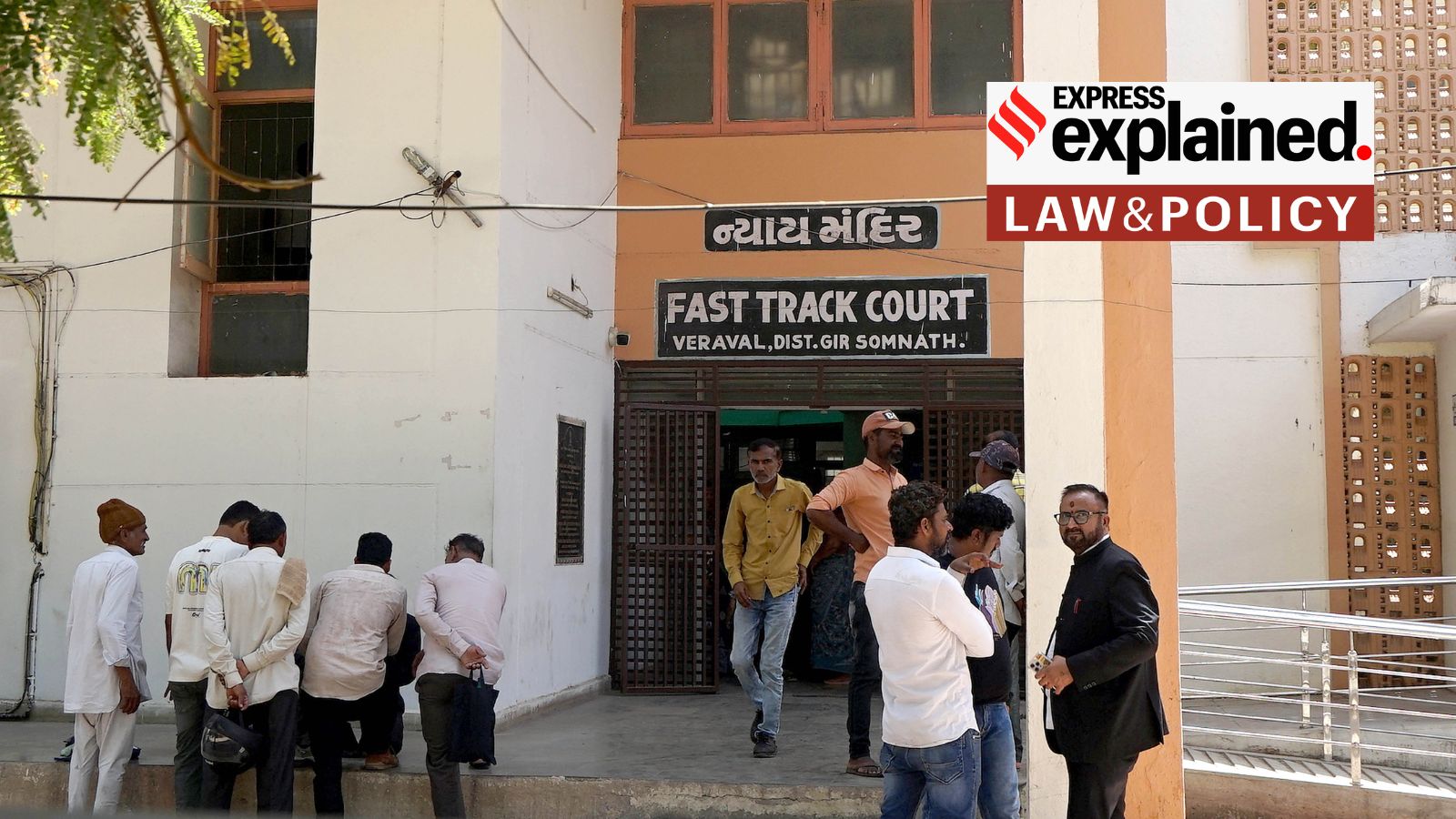
Prime Minister Narendra Modi wants to create fast-track courts to quickly handle cases related to paper leaks.
These courts are special because they focus on specific types of cases, like serious crimes or cases involving women and children.
The idea is to make sure justice is delivered faster.
However, there are concerns about whether these courts can handle the large number of cases and if they have enough resources.
Some people think fast-track courts are a good solution, while others believe they might not work well because of too many cases and not enough judges.
The government and courts have been using these special courts for a while, and they have helped reduce the number of pending cases, but there are still challenges.

Prime Minister Narendra Modi proposes fast-track courts for paper leak cases.
Fast-track courts (FTCs) are used for heinous crimes, vulnerable demographics, and high-priority offenses.
There is no single central legislation governing FTCs; recommendations come from the Fourteenth Finance Commission.
Fast-track special courts (FTSCs) are dedicated to rape cases and offenses under the Protection of Children from Sexual Offences Act.
FTCs have high disposal rates but face challenges like infrastructure and judicial resources.
- Who
- Prime Minister Narendra Modi, Government of India, Judiciary
- What
- Proposal to set up fast-track courts for paper leak cases
- When
- Ongoing, with historical context from 2015 to 2026
- Where
- India
- Why
- To expedite the trial of heinous crimes, vulnerable demographics, and high-priority offenses
Proponents of Fast-Track Courts
Critics of Fast-Track Courts
Efficacy and Speed
Proponents of Fast-Track Courts
Fast-track courts significantly reduce case pendency and provide quicker justice, especially for vulnerable demographics and serious offenses.
Critics of Fast-Track Courts
Fast-track courts struggle with high case volumes, lack of infrastructure, and judicial resources, leading to inefficiencies and delays.
Constitutional Validity
Proponents of Fast-Track Courts
Fast-track courts are constitutionally valid when they have a rational, objective basis for case selection, ensuring equality before the law.
Critics of Fast-Track Courts
The arbitrary selection of cases for fast-tracking can violate Article 14, as seen in past judicial rulings.
- Number of Regular FTCs
- 862
- Number of FTSCs
- 774
- Disposal Rate of FTSCs
- 96%
- Cases Disposed Annually by FTSCs
- 165
- Pending Cases in FTSCs (2023)
- 2.4 lakh
- Recommended FTCs by Fourteenth Finance Commission
- 1,800