

Archive · 29 Sep 2026
US and Iran Resume Mediated Talks Amid Seven-Month War
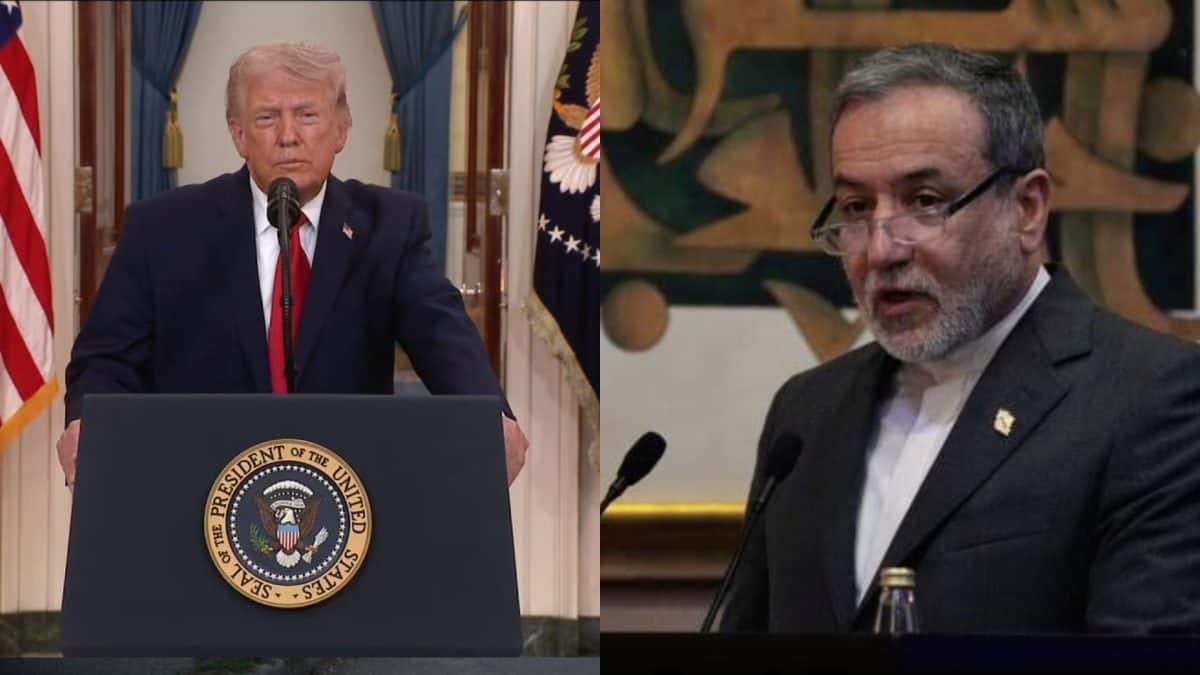
The United States and Iran have been fighting a war for seven months.
Their officials are now speaking separately with mediators to try to stop the fighting.
Qatar is helping carry messages between the two sides.
Iran suggested a seven-day plan to pause attacks and begin more discussions.
It wants its frozen money released and sanctions on its oil removed.
Iran also says it could reopen the Strait of Hormuz, an important route for oil ships, if its conditions are accepted.
The countries would return to talks about Iran’s nuclear program.
President Donald Trump said he rejected Iran’s proposal, but he also said more talks could happen.
Iran says it has not received a formal rejection, so mediators are still trying to find a compromise.

US and Iranian officials separately met with mediators Monday in a renewed effort to end seven months of war.
Iran proposed a seven-day plan involving a halt to hostilities, sanctions relief, and unfreezing Iranian assets.
Iran said it would reopen the Strait of Hormuz if its conditions, including lifting the US blockade on its ports, were met.
President Donald Trump said he rejected Iran’s proposal but indicated that further mediated talks could continue this week.
Iran said it had not received a formal US rejection, while mediators reportedly worked on an amended version of the proposal.
- Who
- Officials from the United States and Iran, including President Donald Trump and Foreign Minister Abbas Araqchi, are involved, with Qatar acting as a mediator.
- What
- The two countries are pursuing indirect talks over a ceasefire, the Strait of Hormuz, sanctions, and Iran’s nuclear program.
- When
- The latest separate meetings with mediators took place on Monday, after seven months of war; further talks were expected that week.
- Where
- The discussions involved mediators and took place in connection with contacts in New York, where Abbas Araqchi remained after the United Nations General Assembly.
- Why
- The effort seeks to end the fighting, restore maritime traffic through the Strait of Hormuz, address sanctions and frozen assets, and resume nuclear negotiations.
Iran’s Position
US Position
Ceasefire proposal
Iran’s Position
Iran says its seven-day plan offers a peaceful route to halt hostilities and that it is awaiting Washington’s definitive response.
US Position
Trump said he rejected Iran’s proposal, although he indicated that US negotiators could continue talks through intermediaries.
Sanctions and Strait of Hormuz
Iran’s Position
Iran says reopening the waterway depends on unfreezing its assets, ending oil sanctions, and lifting the US blockade on its ports.
US Position
The US position described in the reports prioritizes stronger commitments and safeguards from Iran before accepting a new arrangement.
Nuclear program and implementation
Iran’s Position
Iran says the two sides should resume negotiations over its nuclear program and that its requested measures reflect earlier commitments.
US Position
Washington wants firm guarantees that Iran’s nuclear-related commitments will be implemented, citing concerns about previous actions and collapsed understandings.
- Conflict duration
- Seven months
- War began
- Late February, with US and Israeli attacks on Iran
- Iranian proposal
- A seven-day plan to halt hostilities and restart negotiations
- Iran’s conditions
- Unfreezing Iranian assets, ending sanctions on Iranian oil, and lifting the US blockade on Iranian ports
- Strait of Hormuz
- Iran said it would reopen the vital oil-shipping route if its conditions were met
- Mediation
- Qatar was identified as a key intermediary carrying messages between Washington and Tehran
- Previous ceasefires
- Ceasefire agreements reached in April and June quickly unraveled
- Disputed status
- Trump said he rejected the proposal, while Araqchi said Iran had not received a formal rejection
