

1 hr ago
China Consumer Stocks Slide as Economic Imbalances Deepen
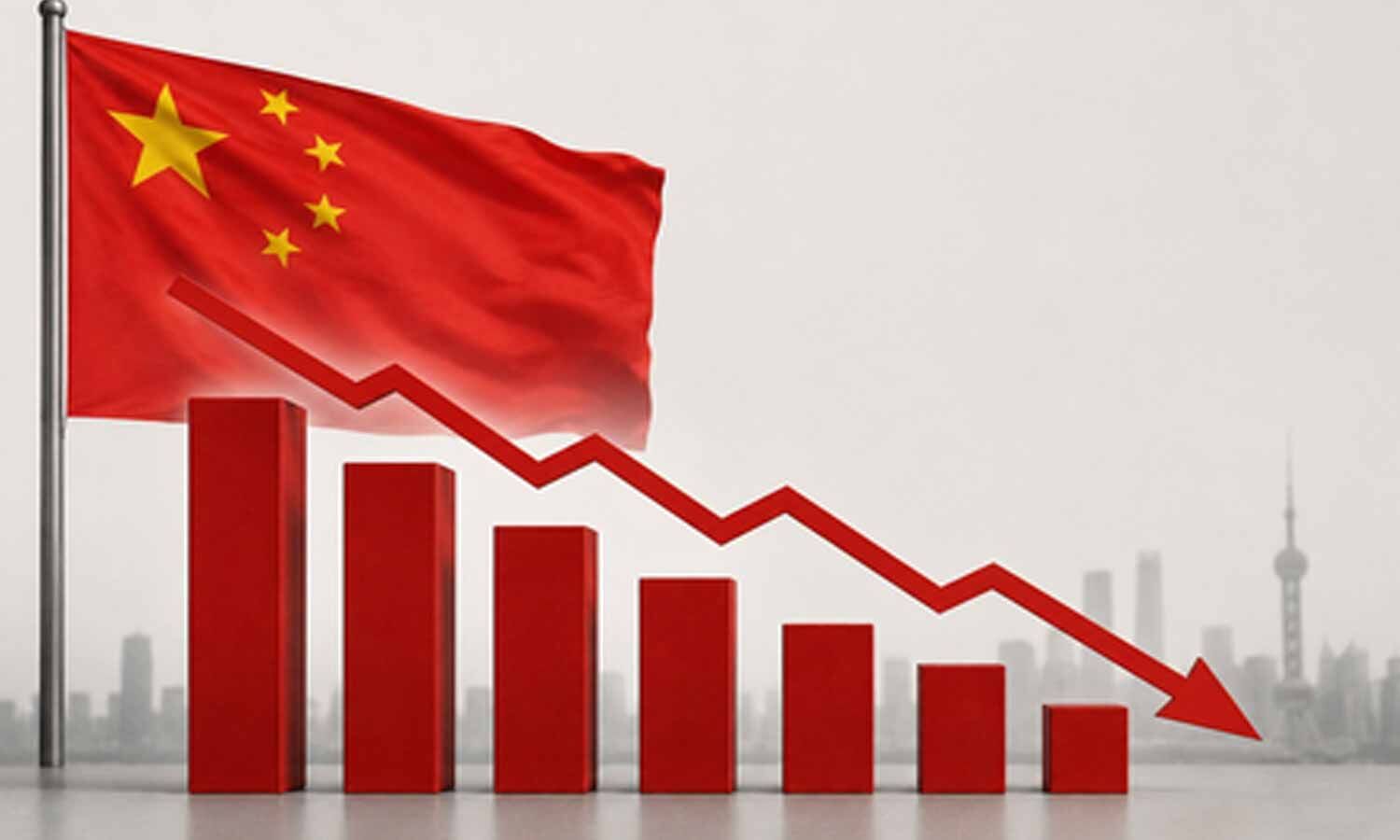
China’s consumer companies are having a difficult time.
Their stock prices fell sharply over the past six months.
People are spending very little, with retail sales growing only slightly in the periods reported.
Consumer-durable companies also earned much less than investors expected.
Many investors are putting their money into artificial-intelligence companies instead of consumer businesses.
Reports say China’s property sector and other important industries are struggling.
Local governments have accumulated very large debts, and unemployment is rising.
Chinese officials report stronger economic growth than some independent analysts estimate.
These differences have increased debate about how healthy China’s economy really is.

MSCI China consumer-goods sub-indices fell about 18% over six months, nearing a 10-year low.
Retail sales growth was reported at 0.4% in August and barely 1% in June 2026.
MSCI-indexed consumer-durable companies missed profit expectations by nearly 50% during the latest earnings season.
Experts said investors have concentrated in artificial-intelligence companies while selling consumption stocks broadly.
Reports described weak consumer demand, property-sector problems, rising unemployment and unsustainable local-government debt as signs of economic strain.
- Who
- Chinese consumer companies, investors, Chinese officials and independent analysts.
- What
- China’s consumer-sector stocks and demand have weakened amid broader concerns about economic imbalances.
- Where
- China, with stock-market effects reflected in MSCI China indices.
- When
- Over the six months preceding the reports and during the latest earnings season; one report cites June 2026 and August retail-sales data.
- Why
- Weak consumer demand, disappointing company profits, investor concentration in artificial-intelligence stocks, property-sector problems and high local-government debt are cited as contributing factors.
Official and optimistic assessment
Independent and critical assessment
Economic growth
Official and optimistic assessment
Official figures cited in the reporting place China’s GDP growth around 4.5–5%.
Independent and critical assessment
Independent analysts and institutions cited in the reporting estimate actual growth could be closer to 2–3%.
Economic condition
Official and optimistic assessment
China continues to report economic growth despite weakness in some sectors.
Independent and critical assessment
Critical reports say the economy is faltering, with property-sector collapse, rising unemployment and high local-government debt revealing deeper problems.
Investor focus
Official and optimistic assessment
Investors are increasingly concentrating on artificial-intelligence companies, which are viewed as more attractive than consumption stocks.
Independent and critical assessment
Experts argue that consumption stocks have been sold indiscriminately, worsening the market decline even as weak consumer demand remains a central economic concern.
Key facts
- Consumer-stock decline
- MSCI China consumer-goods sub-indices fell roughly 18% over six months.
- Market level
- The indices were nearing a 10-year low.
- August retail sales
- Retail sales were reported at 0.4%.
- June 2026 retail sales
- Another report said retail sales grew by barely 1%.
- Profit expectations
- MSCI-indexed consumer-durable companies missed expectations by nearly 50%.
- Official growth estimate
- Official GDP growth figures were described as remaining around 4.5–5%.
- Independent estimates
- Independent analysts and institutions cited in one report estimated growth closer to 2–3%.
Sources
Related news
China Industrial Profit Growth Slows as Weak Demand Weighs

Shanghai’s Economic Struggles Signal Wider Pressure on China

Modi Hails 7.8% GDP Growth as Congress Challenges Numbers
India’s 7.8% GDP Growth Sparks Congress Economic Dispute
Chinese Stocks Hit One-Year Low as Chip Firms Slide

Shiv Sena UBT Challenges GDP Growth Amid Market Decline

Neeru Dhanda Wins Historic Women's Trap Gold at Asian Games
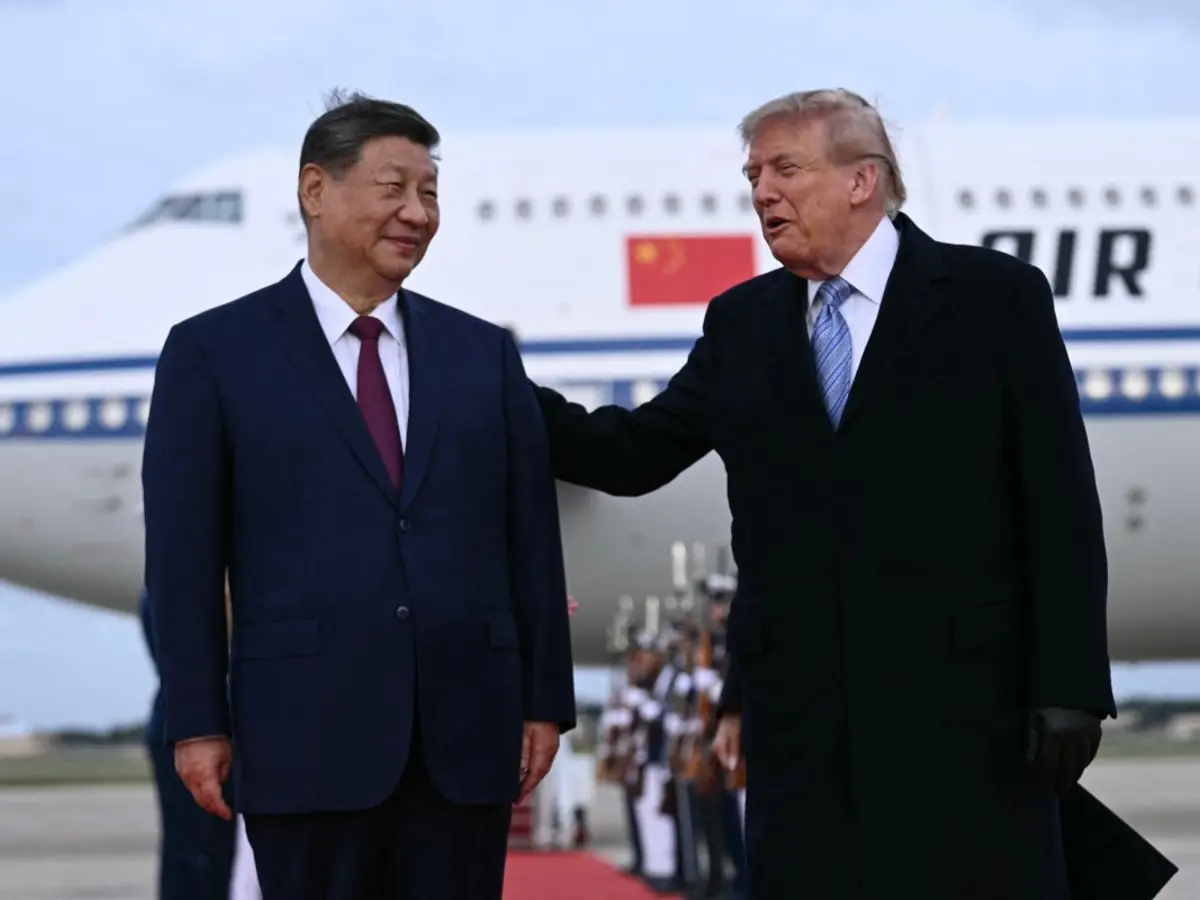
Trump Denies Discussing U.S. Weapons Sales With Xi

Neeru Dhanda Wins India’s First Individual Asian Games Gold

Parveen Hooda Advances to Asian Games 2026 Final
