

Archive · 4 Aug 2025
China's Population Decline: Government Efforts to Boost Birth Rates
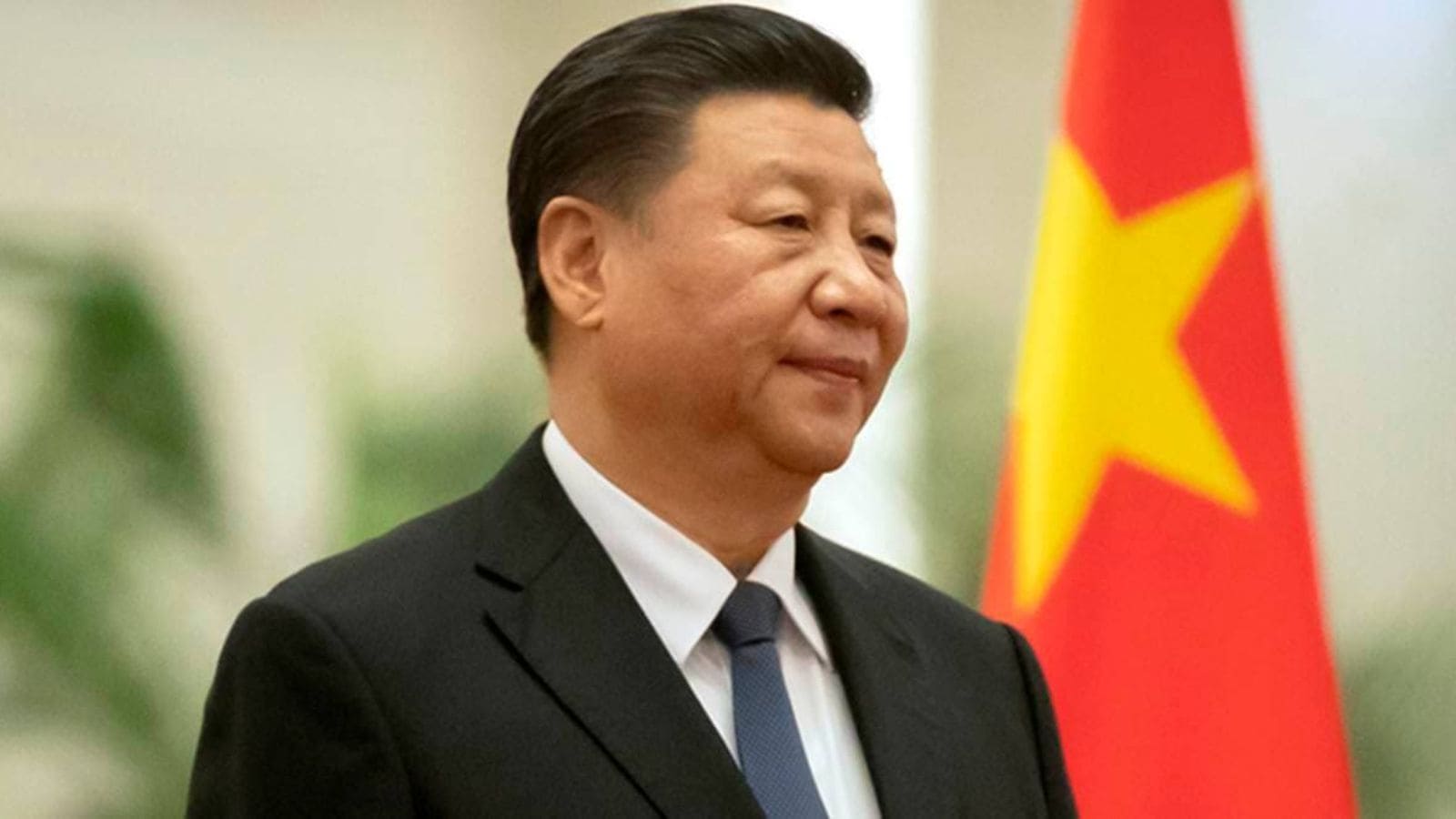
China's population is shrinking.
The government is worried because fewer people mean fewer workers and an older population.
In the past, China had a one-child policy.
Now, they want people to have more kids and are offering money to help.
However, having children is expensive, and women are working more.
This makes it harder for people to have kids, even with government help.

China's population has been declining for three consecutive years as of January 2025.
The one-child policy, introduced in 1979, was replaced by two-child and then three-child policies.
The government is offering childrearing subsidies of RMB 3,600 (about $500) until age three.
Rising childcare and education costs are a significant hurdle to having children.
Changes in society, including women's financial independence, impact birth rates.
- Who
- China's government and its people, including President Xi Jinping.
- What
- China's population is declining and the government is trying to encourage births.
- When
- The population has been declining since 2025.
- Where
- China
- Why
- To address declining birth rates and an aging population that could impact the economy and workforce.
Government's Stance
Societal Changes
Societal Impact
Government's Stance
China wants to increase birth rates.
Societal Changes
Women's views on having children and traditional roles in China are changing due to economic reforms.
- Population Decline
- Continued for three years as of January 2025
- Childrearing Subsidy
- RMB 3,600 (about $500) until age three
- Cost of raising a child (up to 17)
- Average of $75,700
- Original policy
- One-child policy implemented in 1979
- Current Policy
- Three-child policy