

Archive · 19 May 2025
Why Walking Daily Isn't Always Enough for Weight Loss
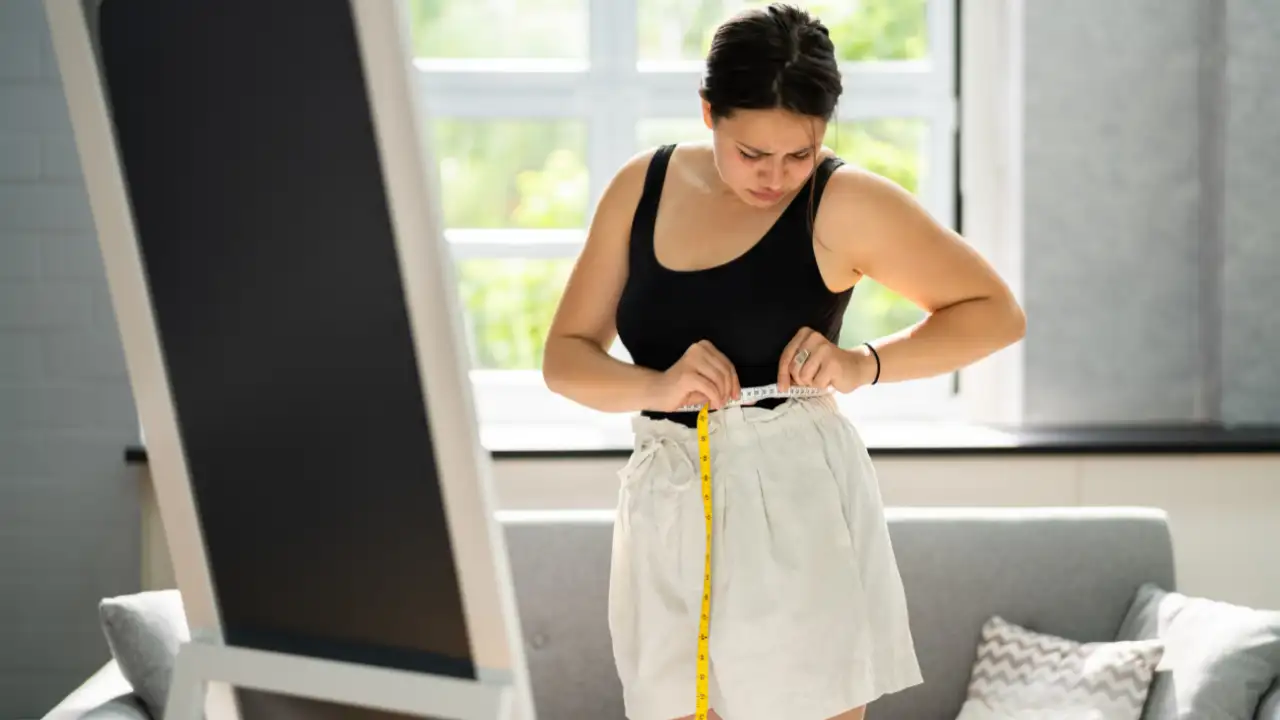
Sometimes, even when you walk regularly, you might not lose weight.
Your body gets used to the same routine, so you need to mix things up by walking faster or uphill.
What you eat after your walk can also affect your weight loss, so be mindful of sneaky calories in snacks.
Also, you need to do exercises to build muscle and manage stress and sleep well.
Tracking only steps might not be accurate; focus on active minutes, and remember to walk with good posture.

The body adapts to consistent walking, reducing its effectiveness over time.
Eating high-calorie snacks after walks can offset the calories burned.
Lack of strength training means less muscle, which is crucial for metabolism.
High stress and poor sleep can interfere with weight loss by affecting hormones.
Tracking active minutes provides a more accurate measure of exercise intensity.
- Who
- N/A
- What
- Reasons why walking consistently may not lead to weight loss.
- When
- N/A
- Where
- N/A
- Why
- The body adapts to the same routine, and other factors like diet, muscle, stress, sleep, and posture play key roles.
- Adaptation
- The body adapts to the same walking routine, reducing calorie burn.
- Hidden Calories
- Eating snacks post-walk can cancel out calorie deficit.
- Strength Training
- Muscle plays a big role in weight loss.
- Stress and Sleep
- High stress and poor sleep can hinder weight loss.
- Tracking
- Focus on active minutes, not just steps.
- Posture
- Poor posture can lead to fewer calories burned.