

Archive · 31 Aug 2026
Why Indian Farmers Struggle to Secure Fair Produce Prices
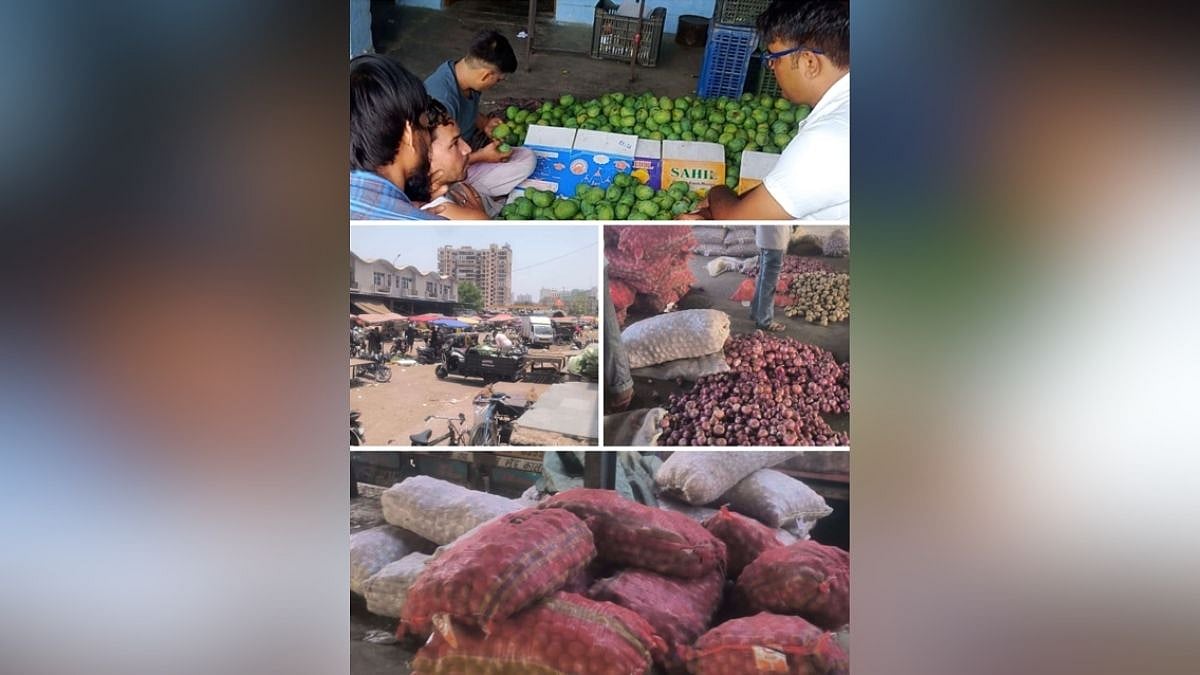
Farmers can lose money because fruits and vegetables spoil quickly.
They often must sell their crops before they become damaged.
This gives them little time to find a good buyer or wait for a better price.
Poor roads, packaging, storage and transport can cause even more losses.
Some middlemen may take advantage of farmers, but they are not the only problem.
Government price guarantees may not help if buying takes too long or payments are delayed.
Farmers also need loans because they may have to pay for transport and other costs quickly.
Better local storage, transport, insurance and clear prices could give them more choices.
The goal is to help farmers wait and refuse prices they believe are unfair.

Perishable crops give Indian farmers little time and bargaining power to secure better prices.
India reportedly loses nearly ₹1.5 trillion annually after harvest, equal to 3.7% of agricultural GDP.
Spoilage, rough handling, weak packaging, heat, poor roads and transport delays reduce farmer and trader margins.
Although some intermediaries exploit farmers’ dependence, removing middlemen alone would not resolve infrastructure and financing problems.
The proposed solution combines local collection points, crop-specific storage, transport insurance, short-term credit and stronger farmer groups.
- Who
- Indian farmers, wholesalers, vendors, intermediaries, farmer groups and other participants in the agricultural supply chain.
- What
- Farmers struggle to secure fair returns because perishable crops, post-harvest losses and weak infrastructure limit their selling choices.
- When
- The article does not specify a particular date or period.
- Where
- Across India, with examples from Mathura and Ghazipur.
- Why
- Crops spoil quickly, while storage, transport, financing, market access and payment systems remain inadequate or unreliable.
Infrastructure and Choice
Middlemen and Market Dependence
Main cause of farmer losses
Infrastructure and Choice
The article emphasizes perishability, spoilage, weak storage, transport problems, delayed payments and limited access to capital as the central problems.
Middlemen and Market Dependence
Some intermediaries are described as exploiting farmers’ dependence and seeking control over logistics, markets and buyers.
How to improve farmer earnings
Infrastructure and Choice
Removing intermediaries alone is insufficient; farmers need multiple collection points, storage, insurance, credit, transparent charges and coordinated farmer groups.
Middlemen and Market Dependence
Reducing the control of exploitative intermediaries could improve farmers’ bargaining position, although the article says this would not solve the broader infrastructure problem by itself.
Role of storage
Infrastructure and Choice
Storage can give farmers more time and choice, but it should be combined with protection against damage and reliable logistics.
Middlemen and Market Dependence
Storage without accountability can leave farmers exposed: one cited operator stored potatoes but accepted no responsibility for crop damage.
- Annual post-harvest losses
- Nearly ₹1.5 trillion, reportedly equivalent to 3.7% of agricultural GDP.
- Papaya losses in Mathura
- A wholesaler reportedly lost 200 kilograms for every 1,000 kilograms purchased.
- Papaya price example
- Papayas bought at ₹45 per kilogram were eventually sold at ₹50 per kilogram.
- Cucumber price example
- Cucumbers rose from ₹12 at the initial stage to ₹20 wholesale and more than ₹30 for customers.
- Potato storage cost
- A Mathura commission agent said he paid ₹155 per sack, with the operator accepting no responsibility for damage.
- Proposed approach
- Build connected local systems with collection points, crop-specific storage, reliable transport, insurance, credit and verified buyers.