

Archive · 1 Jan 2026
ASI Finds Telangana Part of Ancient Asmaka Mahajanapada
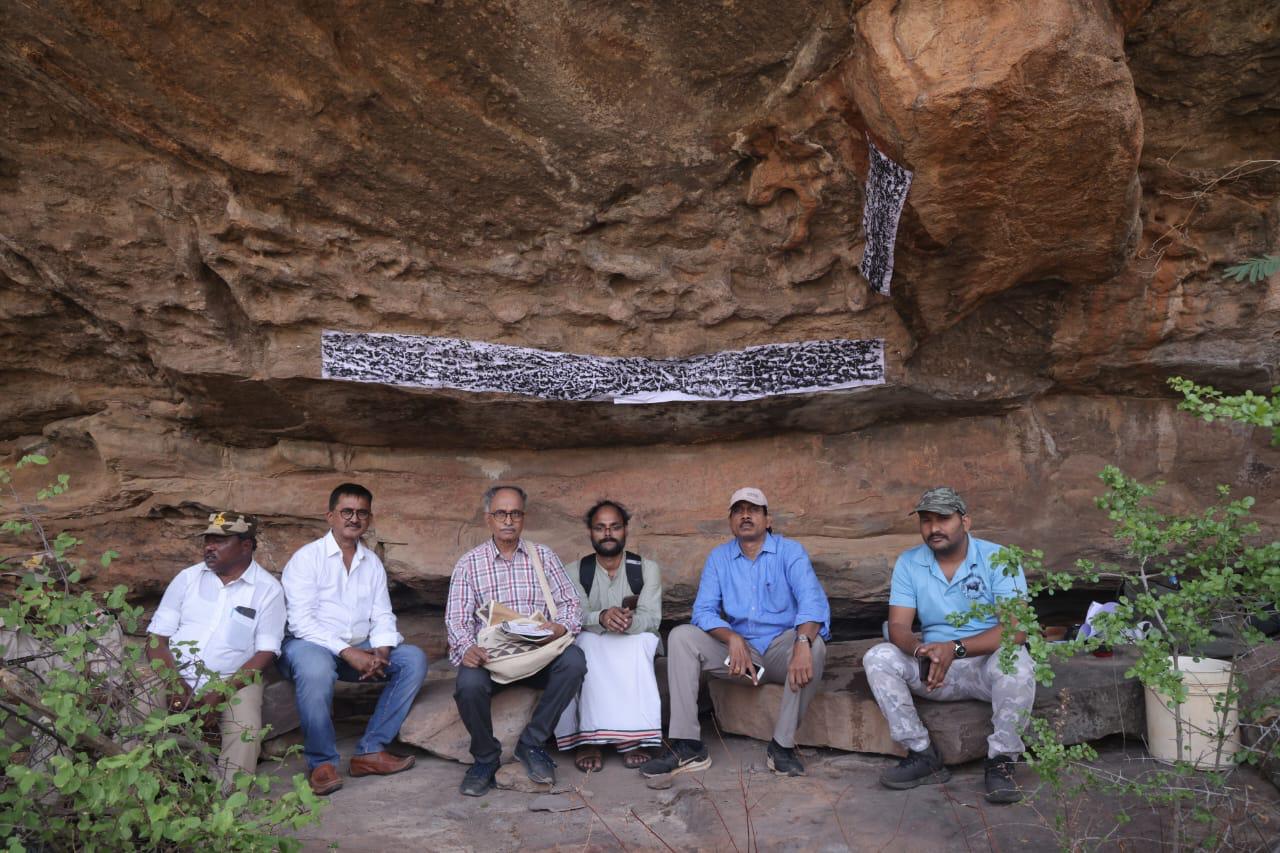
Archaeologists in India found old writings in Telangana that show the area was once part of a big ancient kingdom called Asmaka.
This kingdom was one of 16 important ones in India a long time ago.
The writings also tell us that the rulers of that time supported Buddhism and helped monks.
One of the writings mentions a king named Kumara Hakisiri, who was the son of another important king.
The findings help us understand more about the history and culture of that region.
However, there are still some questions about what the political situation was like in the Andhra region during that time.
More research is needed to learn even more about this part of history.

ASI discovered 11 inscriptions in Telangana's Gundaram reserve forest, dating from 1st century BCE to 5th century CE.
10 inscriptions belong to the Satavahana period, with one mentioning Kumara Hakisiri as the ruler of Asmaka.
The findings confirm that present-day Telangana was part of the ancient Asmaka mahajanapada.
The inscriptions reveal that the Satavahanas supported Buddhism by providing shelter to monks and making donations.
Further research is needed to understand the political status of the Andhra region during the 6th century BCE.
- Who
- Archaeological Survey of India (ASI) and Dr. K. Munirathnam Reddy
- What
- Discovery of 11 inscriptions confirming Telangana's part in the Asmaka mahajanapada
- When
- Inscriptions dated between 1st century BCE and 5th century CE
- Where
- Gundaram reserve forest, Peddapalli district, Telangana
- Why
- To establish historical and cultural connections of the region
- Region
- Telangana, India
- Discovery Location
- Gundaram reserve forest, Peddapalli district
- Time Period
- 1st century BCE to 5th century CE
- Key Figure
- Kumara Hakisiri, son of Satakarni I and Naganika
- Mahajanapada
- Asmaka
- Capital
- Bodan
- Religious Patronage
- Buddhism