Archive · 25 Sep 2026
Nepal Seeks Himalayan Resilience Pact After Deadly Floods
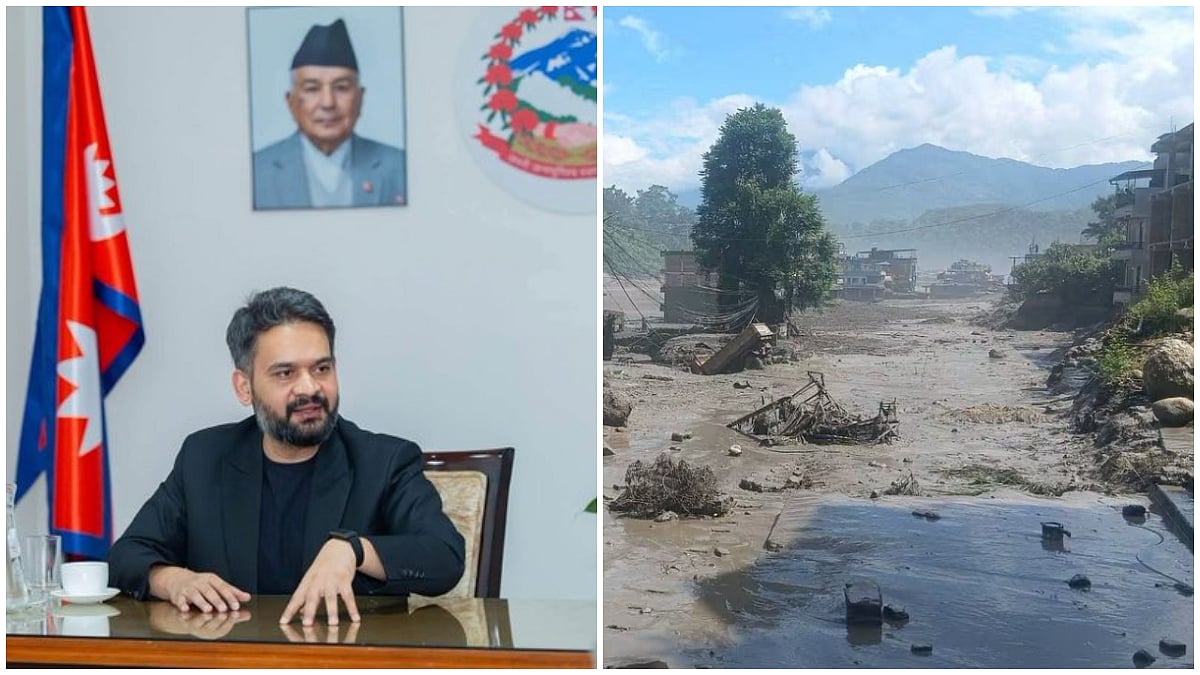
Nepal recently suffered a very large flood after an ice-and-rock collapse in the mountains.
More than 1,400 people were reported dead, and thousands more could not be found.
Nepal’s prime minister said the disaster was a warning about the dangers of a warmer planet.
Nepal produces very little of the pollution that causes climate change, but it faces serious floods, melting glaciers, and unstable mountain slopes.
The prime minister asked richer countries to help pay for rebuilding and preparing for future disasters.
Nepal says the damage could cost more than $5 billion.
He also proposed that Nepal, India, and China work together to watch glaciers and warn people about floods.
Scientists said warming may have increased the risk, while human development made the flooding more damaging.
Reports differed on whether more than 5,000 or 6,000 people remained unaccounted for.

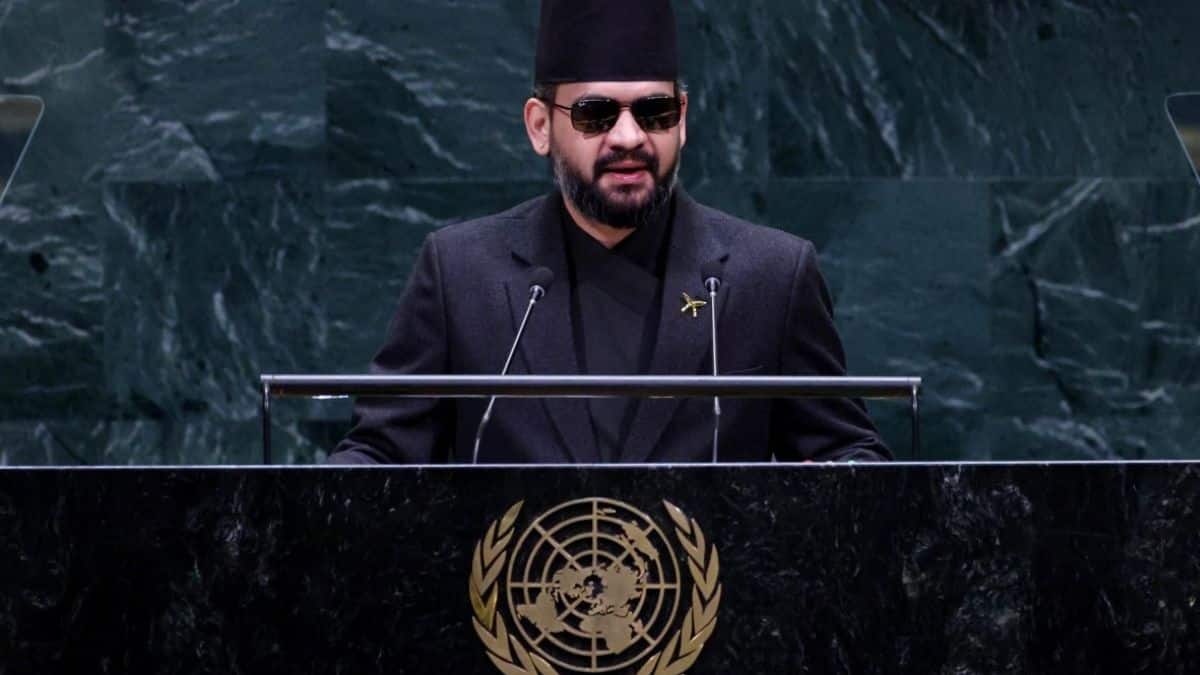
Prime Minister Balendra Shah told the United Nations the catastrophic flooding was “a warning to the world” about climate change.
Reports said the August 26 disaster near Nepal’s border with China killed more than 1,400 people, with over 5,000 to 6,000 still unaccounted for.
Shah proposed a Himalaya Climate Resilience Mechanism involving Nepal, India, and China to share data, monitor glacial lakes, and improve early-warning systems.
Nepal says it needs more than $5 billion for recovery and reconstruction and is seeking climate finance, loss-and-damage support, and concessional resources.
Scientists linked the disaster to geological instability and long-term warming, while experts said poor drainage, development, deforestation, and weak infrastructure worsened the flooding.
- Who
- Nepal Prime Minister Balendra Shah, Foreign Minister Shishir Khanal, the Government of Nepal, scientists, and international officials.
- What
- Nepal is seeking climate justice, international funding, and stronger Himalayan disaster cooperation after devastating floods; Shah also proposed a regional resilience mechanism.
- When
- The floods occurred on August 26, and Shah addressed or was scheduled to address the United Nations General Assembly in late September; reports differed on whether the speech occurred Thursday or was scheduled for early Friday India time.
- Where
- The flooding affected the Bhotekoshi River basin near Nepal’s border with China; Shah’s appeal was made at the United Nations General Assembly.
- Why
- Nepal says climate change and warming-related glacier and permafrost changes are increasing disaster risks in a low-emitting country that lacks the resources to rebuild and prepare alone.
Nepal’s Climate-Justice Argument
International and Local Risk Perspectives
Responsibility for the crisis
Nepal’s Climate-Justice Argument
Nepal argues that it contributes less than 0.1 percent of global greenhouse-gas emissions yet is suffering severe climate-related losses, so wealthier countries should help fund adaptation and recovery.
International and Local Risk Perspectives
The reported disaster also involved local geological instability and physical vulnerability, meaning climate change was not presented as the sole cause.
How to reduce future losses
Nepal’s Climate-Justice Argument
Shah proposed regional cooperation among Nepal, India, and China to share satellite data and technical expertise, monitor glacial lakes, and strengthen early-warning systems.
International and Local Risk Perspectives
Disaster experts said domestic factors, including inadequate drainage, floodplain encroachment, poorly planned development, deforestation, and weak infrastructure, also magnified the damage.
- Main speaker
- Nepal Prime Minister Balendra Shah
- Disaster date
- August 26
- Reported death toll
- More than 1,400 people
- People unaccounted for
- Reports cited more than 5,000 or 6,000 people
- Estimated recovery cost
- More than $5 billion
- Proposed mechanism
- Himalaya Climate Resilience Mechanism
- Requested support
- Climate finance, loss-and-damage assistance, concessional resources, and disaster preparedness
- Requested UN funding
- Nepal requested $20 million from the United Nations Loss and Damage Fund