

Archive · 15 Sep 2025
Endangered Shark Meat Mislabeling and Sales in the US
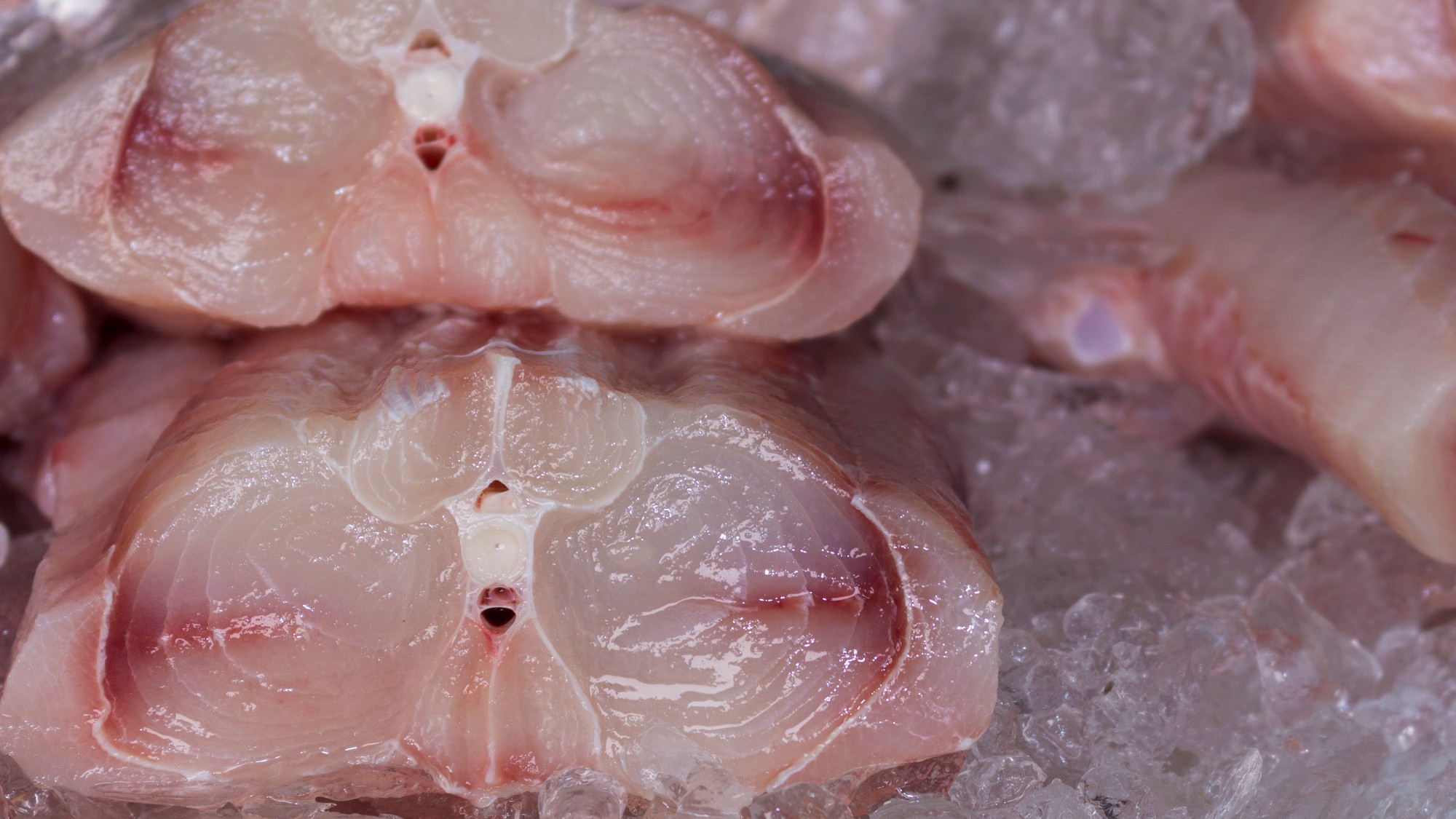
Some shark meat sold in the U.S. is being labeled incorrectly.
This means people could be eating meat from endangered sharks, which is bad for the environment.
This happens because it's hard to keep track of where the shark meat comes from.
Some of these sharks also have high levels of mercury and arsenic, which can be bad for your health.
Shark populations have decreased a lot since the 1970s because of fishing and other issues.
Regulations exist, but aren't always followed, and it's hard to know what type of shark you are buying.
To help, consumers should avoid unlabeled meat and sellers should label meat correctly.

Shark meat is often mislabeled in the U.S., including meat from endangered species.
The global shark meat industry is worth approximately $2.6 billion.
A study found 31% of shark meat samples tested contained meat from endangered species.
Some shark species contain high levels of mercury and arsenic, posing health risks.
Shark populations have dropped by over 70% since the 1970s due to several factors.
- Who
- Consumers and the Shark Meat Industry
- What
- The mislabeling and sale of endangered shark meat in the U.S.
- When
- Since the 1970s, with shark populations declining rapidly.
- Where
- Primarily in the U.S., with global implications.
- Why
- Due to overfishing, bycatch, habitat destruction, and traceability challenges.
- Shark Meat Market Value
- $2.6 billion
- Countries Involved
- Over 200
- Endangered Shark Species in Samples
- Great hammerhead, scalloped hammerhead, tope, shortfin mako shark
- Percentage of Misidentified Samples
- 31%
- Shark Population Decline
- Over 70% since 1970s
- Shark Species at Risk (CITES)
- 74