

Archive · 6 Nov 2025
Japanese Automakers Invest Billions in India, Shifting Focus from China

Imagine car companies like Toyota and Honda used to make a lot of cars in China.
But now, they are worried about making money there because of tough competition and price wars.
So, they are deciding to make more cars in India instead.
India is cheaper to build cars in, and it has many workers.
Plus, the Indian government is giving them good deals to build factories.
Toyota and Suzuki alone are putting over $11 billion into India.
Honda even plans to make electric cars in India to send to other Asian countries.
This move helps them sell more cars and not worry so much about what's happening in China.
They see India as a big opportunity for growth.

Toyota, Honda, and Suzuki are investing billions in India to boost car production and exports, reducing reliance on China.
Japanese automakers are pivoting away from China due to market challenges, intense competition from Chinese EV makers, and a focus on profitability.
India's advantages include low manufacturing costs, a large labor pool, government incentives, and limited competition from Chinese electric vehicles.
Toyota and Suzuki are investing a combined $11 billion to expand production capacity, with Suzuki aiming to become a global production hub.
Honda plans to use India as a base for producing and exporting electric cars to Japan and other Asian markets starting in 2027.
- Who
- Toyota, Honda, and Suzuki
- What
- Announced significant investments and expansion plans in India to boost car production and exports, shifting focus away from China.
- When
- Investments announced recently, with expansion plans extending to the end of the decade and electric car exports from 2027.
- Where
- India
- Why
- To reduce dependence on China due to market challenges, intense competition from Chinese EV makers and price wars, and to leverage India's low manufacturing costs, labor pool, and government incentives.
Reasons for Japanese Automakers Investing in India
Challenges and Historical Context in the Indian Market
Market Diversification and Competition
Reasons for Japanese Automakers Investing in India
Japanese automakers are reducing dependence on China due to a brutal price war among EV makers and the expansion of Chinese carmakers overseas, seeking a more profitable market.
Challenges and Historical Context in the Indian Market
India has historically been a challenging market, with foreign automakers like Ford and General Motors struggling and eventually exiting, indicating potential difficulties.
Competitive Landscape
Reasons for Japanese Automakers Investing in India
India is attractive as it is largely closed to Chinese EVs, offering Japanese companies a respite from direct competition with brands like BYD.
Challenges and Historical Context in the Indian Market
Local Indian companies such as Tata Motors and Mahindra & Mahindra are increasing their market share, particularly with SUV offerings, posing competition to established players like Suzuki.
Cost and Government Incentives
Reasons for Japanese Automakers Investing in India
India offers low manufacturing costs, a vast labor pool, and government incentives, making it an attractive production base.
Challenges and Historical Context in the Indian Market
While costs are a draw, the intense price competition experienced in China highlights the need for profitability and careful market strategy.
- Total Investment Announced by Toyota and Suzuki
- $11 billion
- Suzuki's Investment in India
- $8 billion to expand local production capacity to 4 million cars/year
- Toyota's Investment in India
- Over $3 billion to expand existing factory and build a new plant, increasing capacity to over 1 million vehicles
- Honda's India Plans
- To make India a production and export base for electric cars starting in 2027
- Suzuki's Market Share in India
- Almost 40%
- Toyota's Market Share in India
- 8% (aiming for 10% by end of decade)
- Total Indian Passenger Car Production (last financial year)
- Approx. 5 million
- Total Indian Passenger Car Exports (last financial year)
- Approx. 800,000
- Japanese Direct Investment in Indian Transport Sector (2024)
- 294 billion yen ($2 billion)
- Japanese Direct Investment in China Transport Sector (2024)
- 46 billion yen
Sources
Toyota, Honda turn India into car production hub in pivot away from China
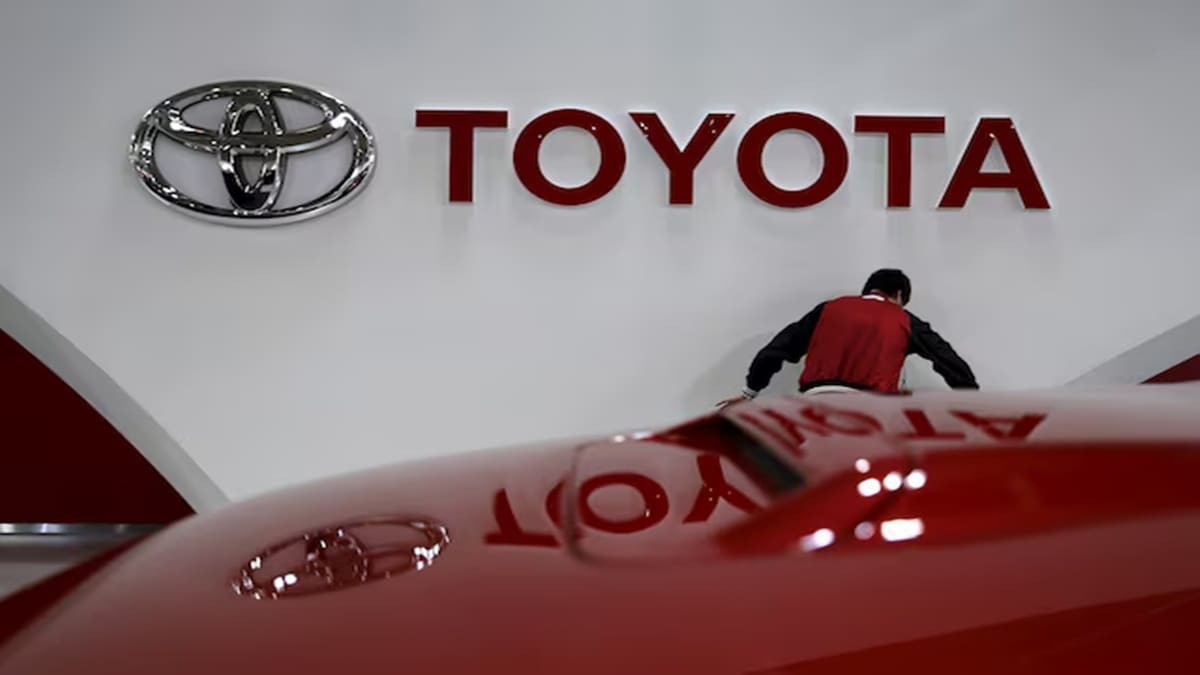
Japan’s big 3 Toyota, Honda, Suzuki cut China dependence; announce $11 bn investment in India
Toyota, Honda turn India into car production hub in pivot away from China
