

Archive · 9 Nov 2025
India's Growth Paradox: Innovation's Inclusive Reach
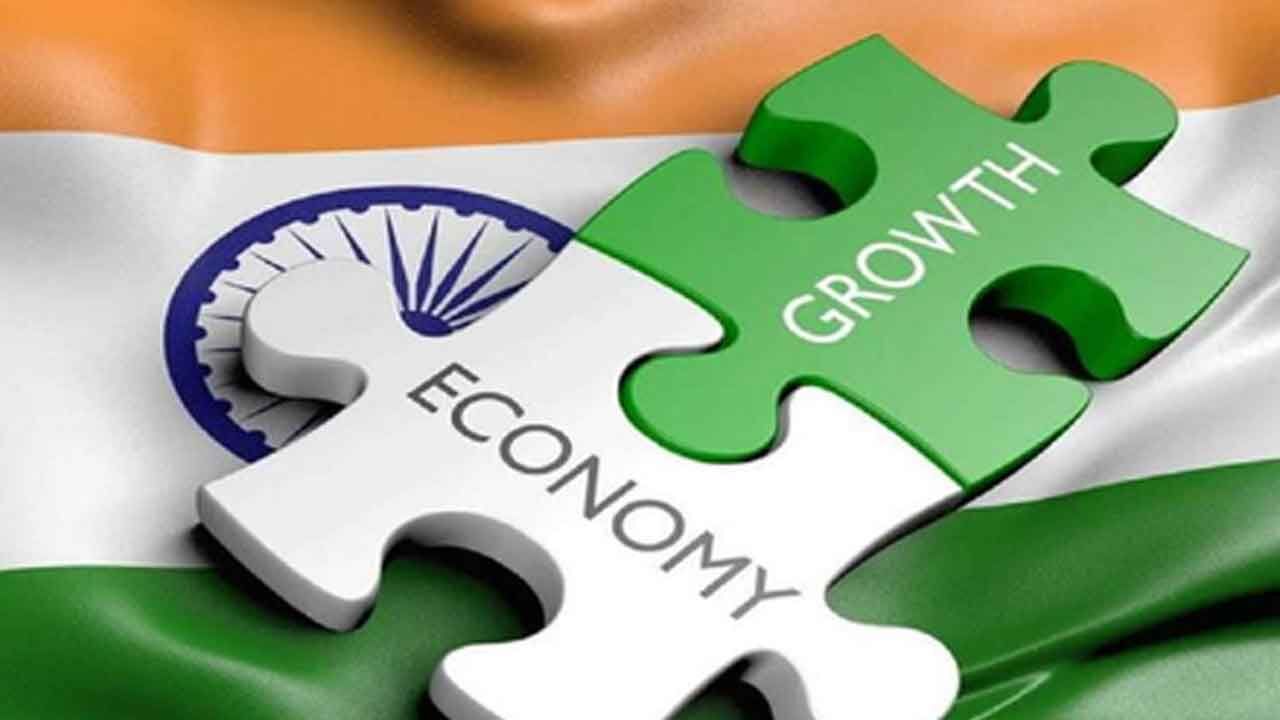
Imagine you have a super cool new toy that helps you build amazing things, like a rocket ship!
The Nobel Prize winners studied how building new things helps everyone get richer over time.
One winner, Joel Mokyr, said that it's not just inventing the toy, but understanding *how* it works with science that really helps.
Another pair, Aghion and Howitt, showed that when a new, better toy comes out, old toys get replaced, which makes everyone work harder and build even cooler stuff.
This is called 'creative destruction.'
India is building lots of new companies, like Zoho, but not everyone can play with the new toys.
Many people in villages don't have internet to learn about them, or they don't know how to use them.
Also, sometimes people are afraid to try new things or start new companies because if they fail, it's a big embarrassment, which slows down progress.
Even though India is great at things like solar power and digital payments, there are still problems.
Some solar projects need lots of money from the government to keep going, and some people worry their private information will be misused online.
So, the lesson is that for India to truly grow, it's not enough to have smart inventors; everyone needs to be able to use and benefit from new ideas and technologies.

Nobel Prize in Economic Sciences 2025 awarded to Joel Mokyr, Philippe Aghion, and Peter Howitt for work on innovation and economic growth.
India's growth faces challenges in democratizing innovation, with significant rural populations lacking internet access and digital literacy.
Cultural and regulatory barriers in India hinder the pace of 'creative destruction,' slowing transformative innovation.
While India excels in digital infrastructure and renewable energy, issues of data privacy and long-term sustainability persist.
True progress in India requires not only world-class innovators but also ensuring inclusive access and participation for all citizens.
- Who
- Nobel laureates Joel Mokyr, Philippe Aghion, and Peter Howitt, and India's innovators and citizens
- What
- Examining India's economic growth challenges through the lens of Nobel Prize-winning theories on innovation, creative destruction, and inclusive progress.
- When
- October 13 (Nobel Prize announcement); early 2025 (CMS-T survey); 2024 (Statista survey)
- Where
- India
- Why
- To understand how innovation drives economic growth and the importance of ensuring this progress is inclusive and participatory for all citizens.
Innovation as Inclusive Progress
Innovation as a Limited Driver
Access to Innovation
Innovation as Inclusive Progress
True progress requires democratized innovation, where all citizens have the tools, access, and confidence to participate.
Innovation as a Limited Driver
Despite fostering world-class ventures, the even distribution of innovation's promise remains a distant dream, with significant rural populations lacking internet access and the knowledge to use it.
Role of Creative Destruction
Innovation as Inclusive Progress
Continuous reallocation of resources towards productive uses through innovation-led competition is essential for long-term growth.
Innovation as a Limited Driver
The pace of creative destruction in India is modest due to cultural and regulatory barriers like bankruptcy stigma, incumbent advantages, and discouraged risk-taking, slowing transformative innovation.
Digital Economy's Impact
Innovation as Inclusive Progress
Digital public infrastructure like UPI is a model for financial inclusion and innovation, serving millions.
Innovation as a Limited Driver
Rapid expansion of digital ecosystems raises apprehension, with concerns over potential misuse of personal data, privacy risks, and exploitation due to a lack of digital literacy and consent mechanisms.
Sustainability of Renewable Energy
Innovation as Inclusive Progress
India is a global leader in renewable energy adoption.
Innovation as a Limited Driver
Challenges in long-term sustainability persist, with rural mini-grids failing due to maintenance gaps and a high percentage of renewable projects relying on direct fiscal support.
- Nobel Prize in Economic Sciences 2025 Recipients
- Joel Mokyr (for scientific explanations underlying innovation); Philippe Aghion and Peter Howitt (for mathematical model of creative destruction)
- Rural Internet Access (CMS-T 2025)
- 16.7% of rural households lack internet access; nearly half of those without connectivity report insufficient knowledge to use it.
- Concerns over Digital Economy (Statista 2024)
- 1 in 4 Indian smartphone users express concerns over potential misuse of personal data.
- Installed Solar Photovoltaic Capacity
- 127 GW (fourth-largest globally)
- Fiscal Support for Renewable Projects
- 50-70% receive direct fiscal support (Ministry of New and Renewable Energy)