

Archive · 25 Sep 2025
Inclusive and Sustainable Urban Development in India
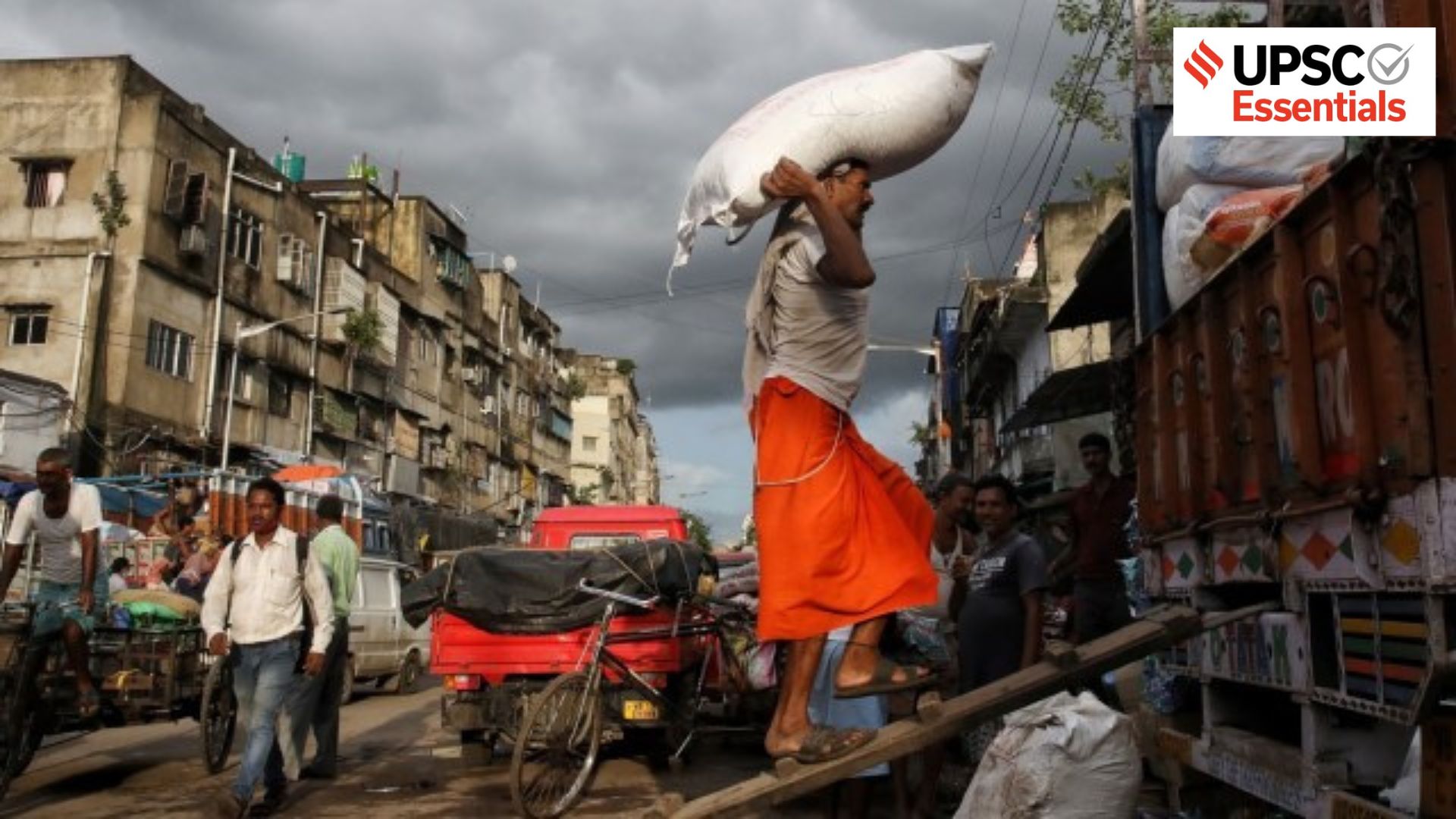
Indian cities face problems like flooding, poverty, and poor housing.
The Smart Cities Mission aimed to improve cities using technology, but it ended in March 2025.
Many people in India live in slums.
Building good roads and providing access to healthcare and education can reduce poverty, but highways do not always help.
Urban development should focus on including everyone and protecting the environment.
This means better jobs, better roads, and healthcare for all.

Many Indian cities experience recurring floods during monsoon season.
Almost half of India's urban population lives in slums lacking basic services.
Urban inequality increased after the liberalization of the Indian economy.
The Smart Cities Mission aimed to develop smart cities but faced challenges.
Inclusive urban development requires accessible roads, affordable healthcare, and education.
- Who
- Urban populations, policymakers, and informal workers
- What
- Need for inclusive and sustainable urban development in India
- When
- Ongoing, with specific focus on Smart Cities Mission policies
- Where
- India's urban areas
- Why
- To address poverty, inequality, and challenges of urbanization and achieve UN Sustainable Development Goals.
Economic growth policies
Inclusive Development Policies
Impact of Highways vs. Accessible Roads
Economic growth policies
Highways may not always reduce poverty.
Inclusive Development Policies
Accessible roads can provide better access to opportunities.
- Smart Cities Mission Launch
- 2015
- Smart Cities Mission Shut Down
- March 2025
- Urban Population in Slums
- Almost half
- Urban Inequality Gini (2020)
- 0.532
- Urban Inequality Gini (2023)
- 0.382