1 week ago
Early Tick and Flea Signs Dog Owners Often Miss
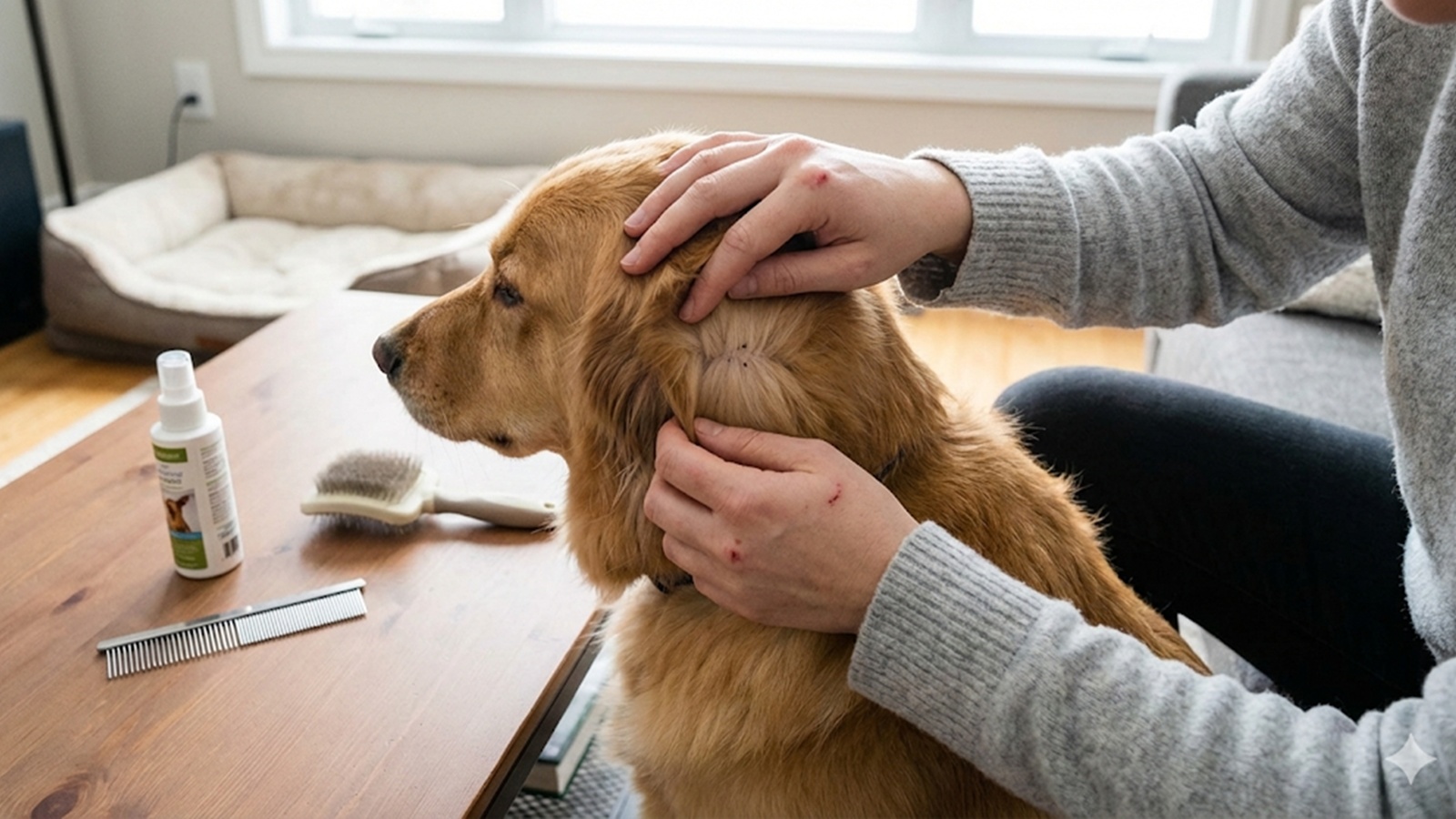
Ticks and fleas are tiny pests that can make dogs itchy and uncomfortable.
Sometimes dogs show signs before their owners can see the pests.
Early clues include repeated scratching, licking, chewing, or rubbing against furniture.
Dogs may also shake their heads or seem restless, especially at night.
Red bumps, thinner fur, or tiny black specks in the coat can also be warning signs.
Owners should carefully check hidden parts of the dog’s body.
A veterinarian can confirm the problem and recommend safe treatment.
Cleaning bedding, carpets, and furniture can help prevent the pests from returning.

Persistent itching around the ears, neck, belly, tail base, or toes may be an early warning sign.
Red bumps, mild hair thinning, and black specks known as flea dirt can indicate parasites.
Scratching, skin chewing, licking, head shaking, and furniture rubbing may signal discomfort.
Owners should inspect hidden areas such as under the collar, inside the ears, between the toes, and around the tail.
Veterinarians may recommend medication, tick removal, cleaning, grooming, and year-round preventive treatment.
- Who
- Dogs, their owners, and veterinarians, including Dr Deepraj Prajapati, are involved.
- What
- The article explains subtle early signs of tick and flea infestations and recommended responses.
- Where
- Possible signs include the ears, neck, belly, tail base, toes, under the collar, and inside the ears.
- When
- Signs may appear before ticks or fleas are visibly found; prevention is recommended year-round.
- Why
- Early detection can help prevent itching, skin infections, allergic reactions, reinfestation, and tick-borne diseases.
Key facts
- Early symptom
- Persistent itching, especially around the ears, neck, belly, tail base, and between the toes.
- Skin changes
- Small red bumps, mild hair thinning, and irritation may appear.
- Flea dirt
- Tiny black specks in a dog’s fur may be flea droppings.
- Behavioral clues
- Repeated scratching, chewing, licking, head shaking, furniture rubbing, and restlessness can signal discomfort.
- Inspection areas
- Owners should check under the collar, inside the ears, between the toes, and around the tail.
- Possible treatments
- Veterinarians may recommend topical or oral anti-parasite medicines, medicated shampoos, or tick removal.
- Environmental control
- Cleaning bedding and vacuuming carpets and furniture can help reduce reinfestation.
Quotes
Dr Deepraj Prajapati
Senior veterinarian at RD Pet Hospital, Ambedkar Nagar
“Head shaking, rubbing against furniture, or sudden grooming episodes can also signal discomfort caused by parasites attaching to the skin.”
 indianexpress.com
“One of the earliest indicators is persistent itching, especially around the ears, neck, belly, tail base, and between the toes.”
indianexpress.com