

Archive · 10 Dec 2025
Indian Army Pushes for Air Littoral Control
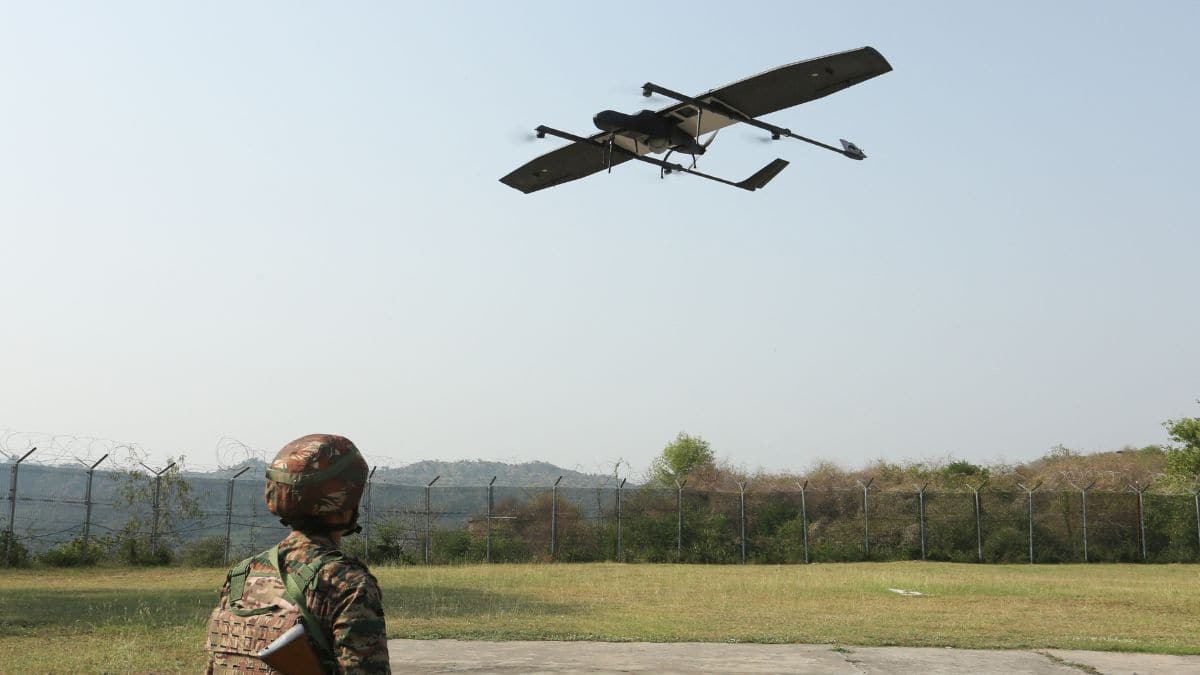
The Indian Army wants to take charge of the air space near the ground, up to 3,000 metres high.
This area is very important because it's full of drones and other flying threats.
The Army says they need to control this space because they are the first to face these threats.
If they have to wait for permission from others, it could be too late.
Other countries like Ukraine and Israel also let their ground forces make quick decisions about these threats.
The Army suggests creating special teams where different parts of the military work together to control this air space.
This would help them protect their soldiers and fight better.

The air littoral, up to 3,000 metres, is a contested zone with drones and loitering munitions.
Indian Army units are the first to face these threats along the LoC and LAC.
Tactical autonomy is crucial for real-time classification and engagement of aerial threats.
International examples show ground forces are increasingly empowered to control the air littoral.
Integrated theatre commands are proposed to ensure unity of command and rapid decision-making.
- Who
- Indian Army
- What
- Push for control of the air littoral battlespace
- When
- Present and future security strategies
- Where
- Along the Line of Control (LoC) and Line of Actual Control (LAC)
- Why
- To ensure rapid response to aerial threats and force preservation
- Air Littoral
- Vertical battlespace from ground level to 3,000 metres
- Threats
- Drones, loitering munitions, short-range air defence systems
- Key Areas
- Line of Control (LoC) and Line of Actual Control (LAC)
- International Precedents
- Ukraine, Israel, US Army
- Proposed Solution
- Integrated theatre commands with domain-specific control