

Archive · 30 Sep 2025
History vs. Myth: The Blurring Lines in Media
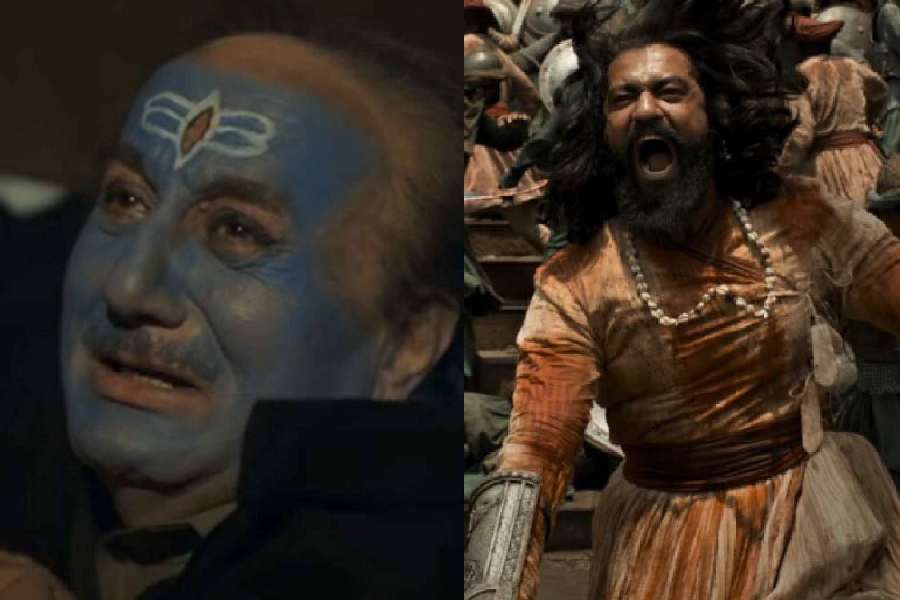
Imagine history as real facts, like what actually happened, and myths as stories people believe, often about gods or ancient events.
Sometimes, movies or shows try to make myths seem real by using historical details.
The author explains that history uses facts and checking sources, but myths are about what people believe, not necessarily what's true.
The problem comes when people try to make myths seem true by calling them history, even though they are very different.
We have to keep the lines clear because history and myth work in different ways.

The article discusses the relationship between history and mythology.
History relies on factual analysis, while myths are based on popular belief.
Myths gain significance through their influence on people's beliefs and actions.
Media often portrays myths with historical elements to give them legitimacy.
The author argues for maintaining a clear distinction between history and mythology.
- Who
- Anshu Saluja, assistant professor of History.
- What
- An examination of the relationship between history and mythology and how media often blurs these lines.
- When
- N/A
- Where
- Bhopal, Madhya Pradesh (Azim Premji University)
- Why
- To highlight the differences between history and mythology, especially regarding their use in creative media.
- Subject
- History and Mythology
- Focus
- Distinction and misuse of history
- Key Themes
- Legitimacy, belief, and representation
- Mediums Discussed
- Films, television, and creative media
- Author's Affiliation
- Assistant Professor of History at Azim Premji University