1 hr ago
A Book Reveals India’s Prime Ministers Through Their Food
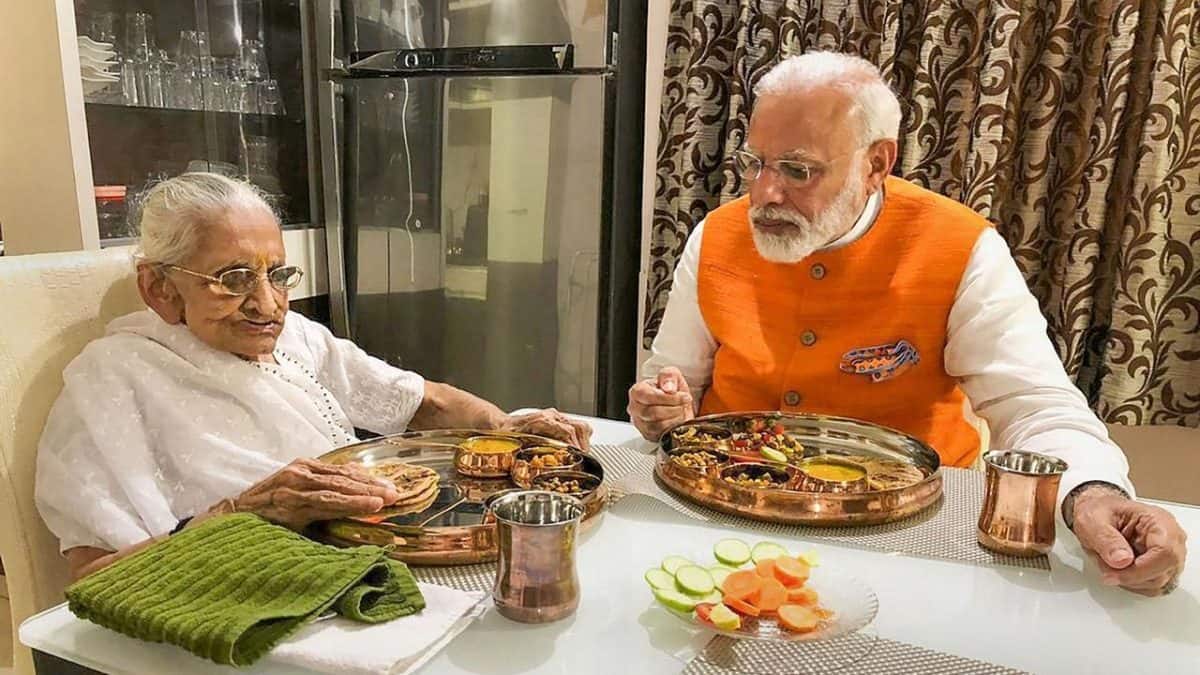
A new book tells stories about what Indian prime ministers liked to eat.
Its authors spoke with people who knew or worked with them.
They describe meals at home as well as food served to important visitors.
Narendra Modi reportedly likes Gujarati food, including kadhi khichdi, and ginger tea.
Atal Bihari Vajpayee enjoyed a wider range of foods.
The book also tells how Indira Gandhi paid close attention to table settings and hospitality.
Some prime ministers and their families kept food traditions going at home.
The authors say leaders’ meals can help guests feel welcome.
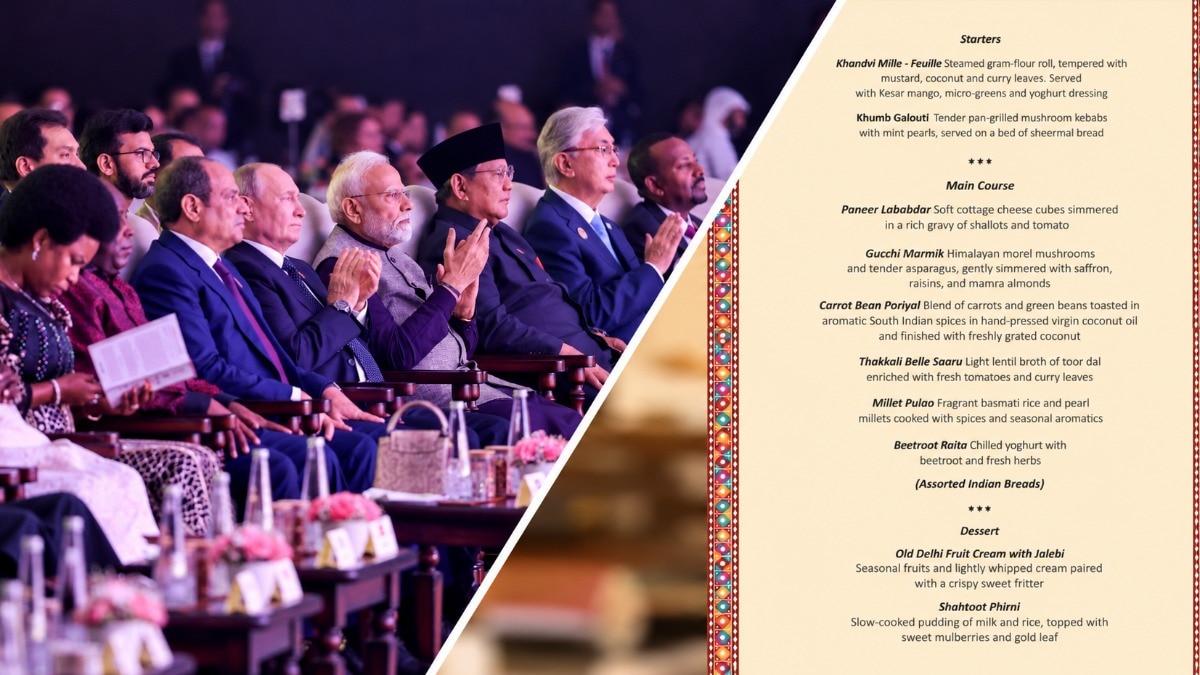
They wonder whether a recent vegetarian BRICS dinner was meant to send a message about sustainability, but say the reason is not confirmed.

Authors Purabi Shridhar and Sanghita Singh say their book draws on interviews with relatives, cooks, doctors, aides and chefs.
The book describes leaders’ food preferences, dining habits and the role of meals in diplomatic hosting.
Narendra Modi’s reported favourites include Gujarati dishes such as kadhi khichdi, as well as plain chapati and ginger tea.
The authors describe Atal Bihari Vajpayee as a keen eater who enjoyed dishes including fried fish, mungora and malai paan.
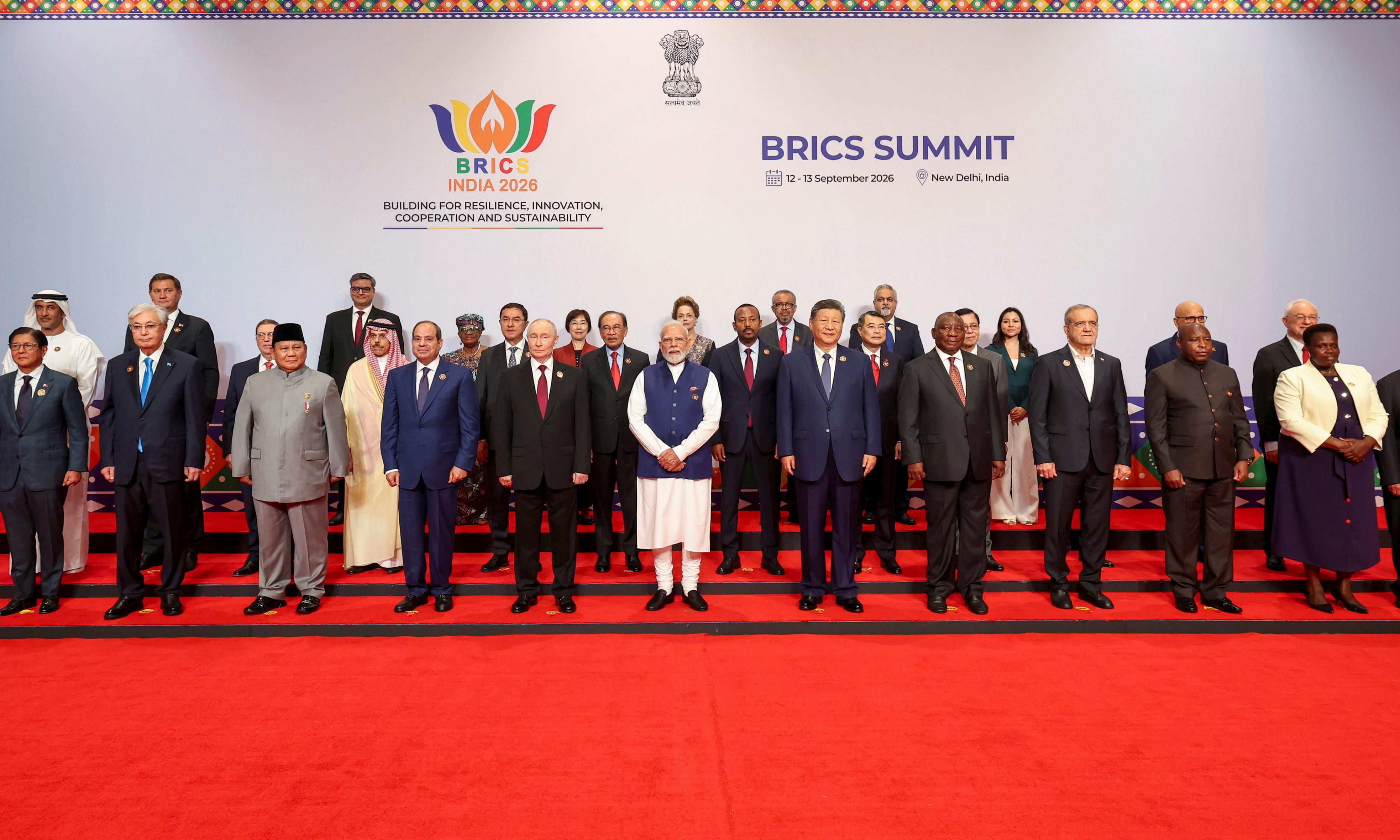
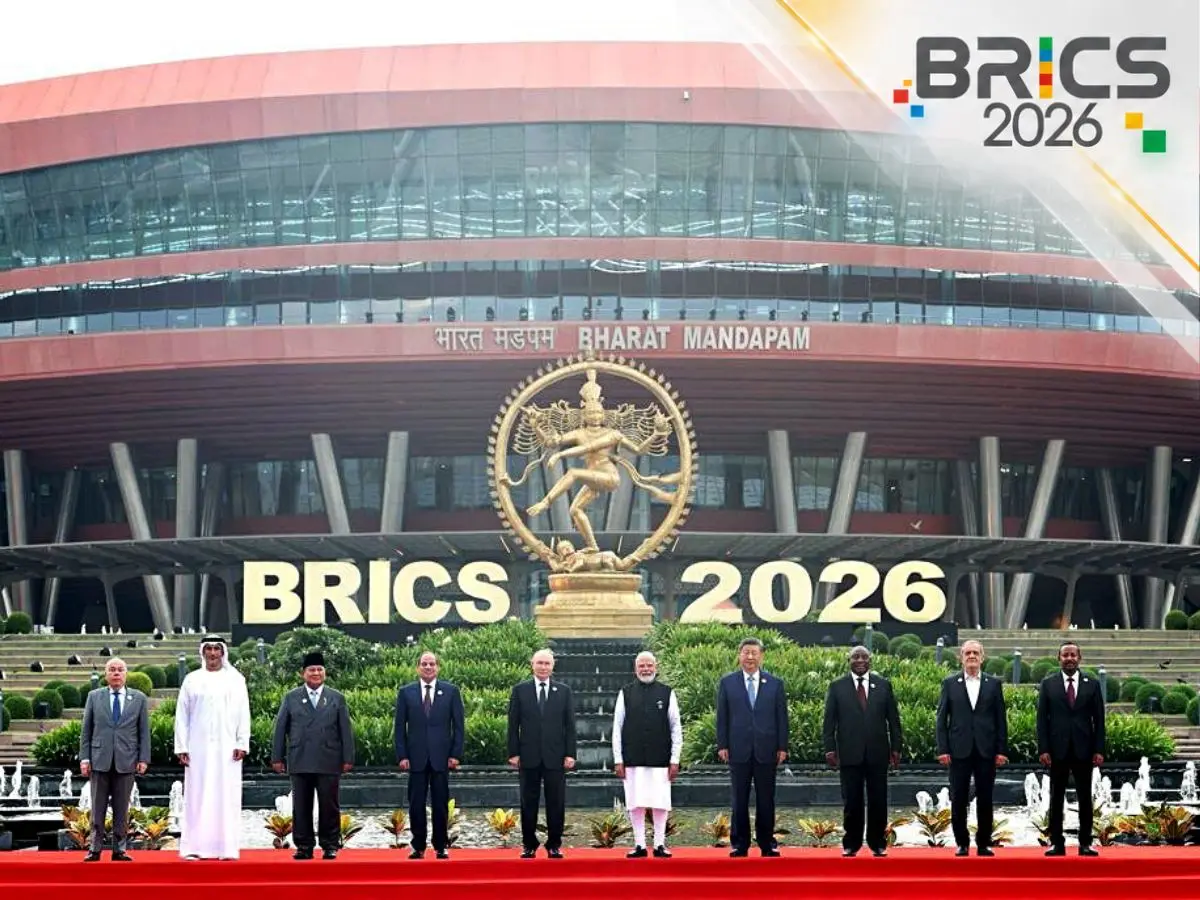
The authors say a recent vegetarian BRICS dinner may have reflected a deliberate choice, possibly linked to sustainability, but do not confirm the reason.
- Who
- Authors Purabi Shridhar and Sanghita Singh, whose book examines the food habits and hosting traditions of Indian prime ministers.
- What
- An interview about The Prime Minister’s Table and its accounts of leaders’ favourite foods, family traditions and diplomatic meals.
- Where
- The book covers Indian prime ministers’ dining rooms and diplomatic tables; the interview’s location is not stated.
- When
- The interview was published around the release of the book; no publication date is stated.
- Why
- The authors say they wanted to show the human side of leaders and how food features in hospitality and diplomacy.
Possible message behind the vegetarian dinner
Caution about inferring its purpose
Whether the menu was intended to signal sustainability
Possible message behind the vegetarian dinner
The authors suggest the vegetarian menu may have been a conscious government choice connected to sustainability.
Caution about inferring its purpose
The authors do not confirm that this was the reason, and note that diplomatic menus have not always been entirely vegetarian.
How to interpret diplomatic meals
Possible message behind the vegetarian dinner
A menu can showcase Indian gastronomy, make guests feel at home and potentially communicate a message.
Caution about inferring its purpose
The authors caution against judging the significance of one menu without considering past diplomatic meals.
Key facts
- Book
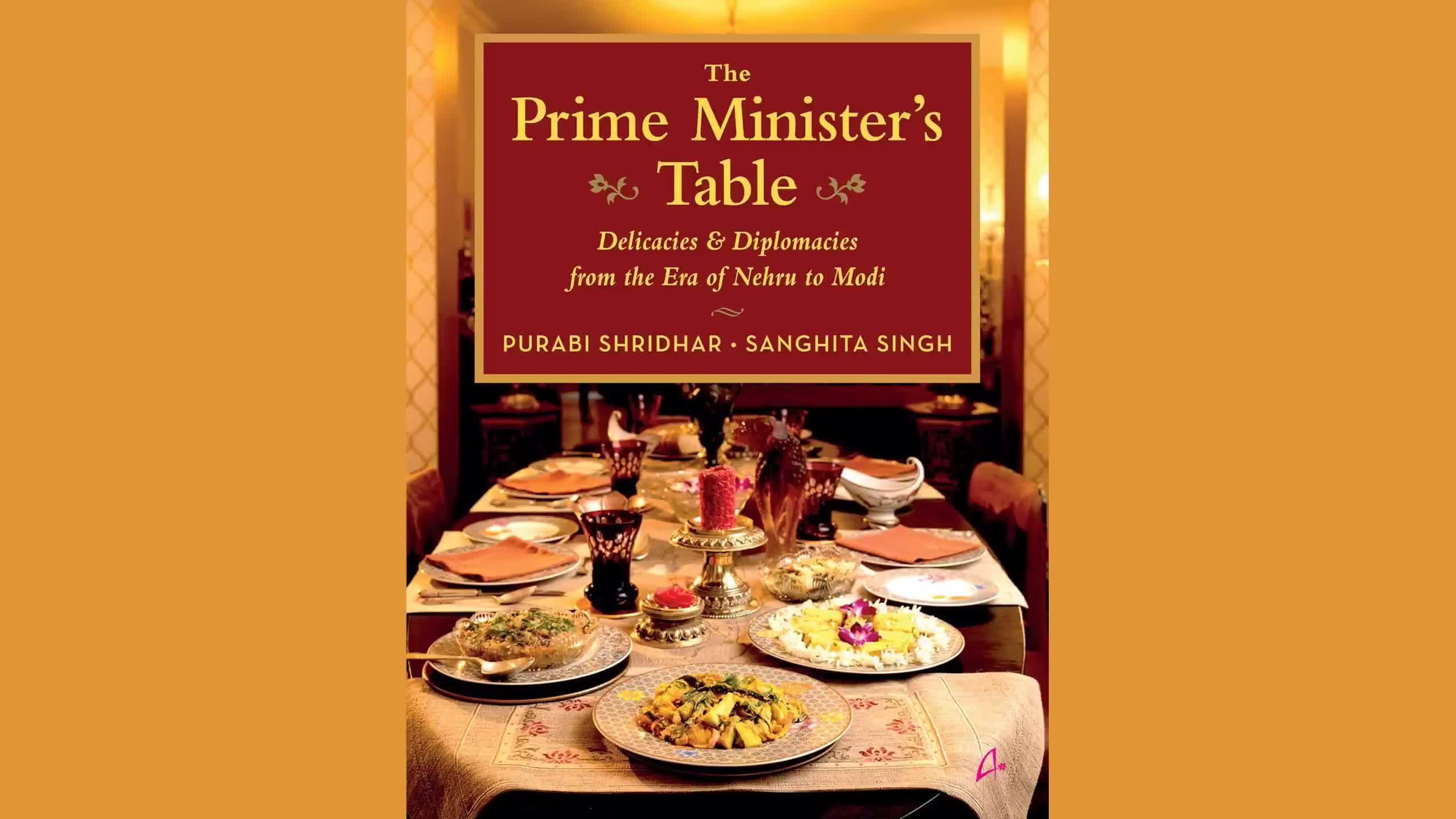
- The Prime Minister’s Table: Delicacies and Diplomacies from the Era of Nehru to Modi
- Authors
- Purabi Shridhar and Sanghita Singh
- Sources for the book
- Conversations with family members, cooks, doctors, aides and chefs
- Narendra Modi’s reported favourites
- Kadhi khichdi, plain chapati and ginger tea
- Atal Bihari Vajpayee’s reported favourites
- Fried fish, mungora, bajra ke laddoo and malai paan
- BRICS dinner
- A recent dinner described in the interview as vegetarian
Quotes
Sanghita Singh
Co-author of The Prime Minister’s Table
“His favourites, top of the charts, are always Gujarati dishes. Kadhi khichdi is one of them, which he likes to have with milk or with tea. He also loves simple plain chapati and ginger tea. His tea is always with ginger, even when he travels abroad.”
 firstpost.com
Sources
Related news
Book Explores Prime Ministers’ Tables and Political Lives
BRICS Banquet Menu Sparks Debate Over Vegetarian Diplomacy
What’s on the menu for Modi’s BRICS gala dinner
Opposition Criticises Vegetarian Menu at Modi’s BRICS Dinner
BRICS Vegetarian Dinner Menu Sparks Political Debate in India
Rahul Gandhi’s Non-Vegetarian Remark Sparks BRICS Menu Row

India Fortifies Siliguri Corridor With Underground Infrastructure and New Routes
India and UAE Explore Expanded Trade, Investment and Business Cooperation

Pilot’s Heroism Could Help Repair India-US Relations

Modi Says Next GST Reform Phase Will Simplify Compliance