

Archive · 20 Nov 2025
FMCG Giants Dominate Quick Commerce Baskets
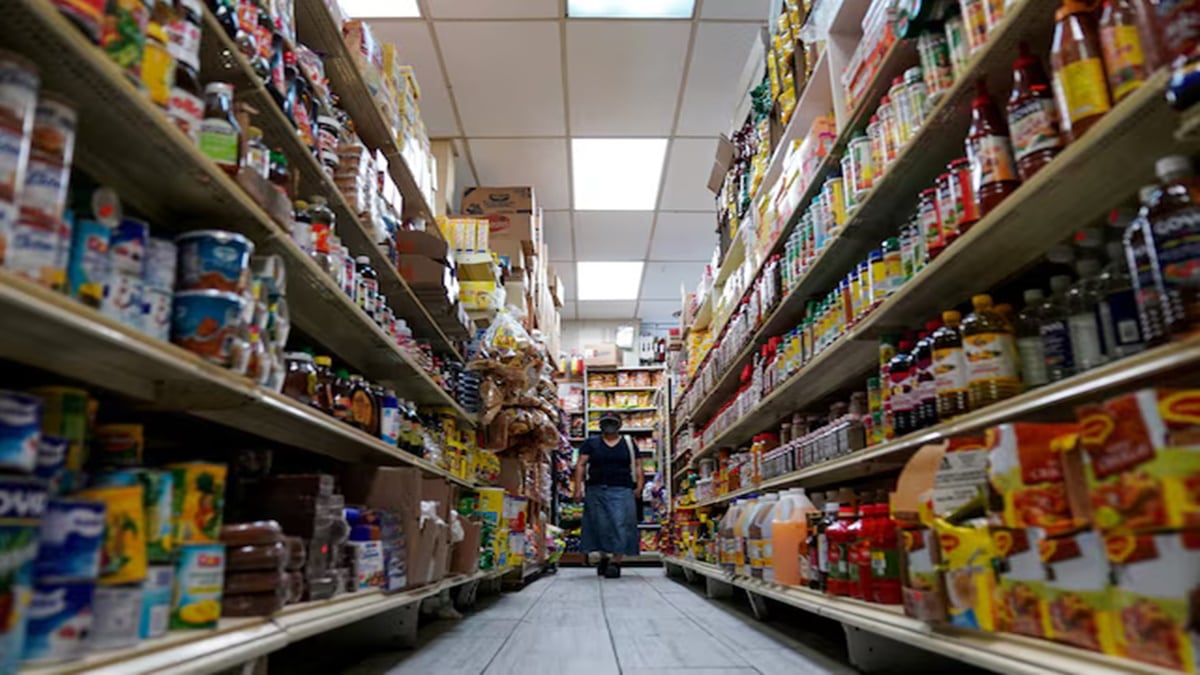
Even though quick commerce offers fast delivery, big companies that make everyday products like toothpaste and soap still control what people buy.
New online shops have trouble competing in these areas, but they do well with things people don't buy as often, like gifts and jewelry.
So, quick commerce helps deliver things faster, but it hasn't changed who the big players are yet.

Traditional FMCG players control 65% of sales in q-commerce
Legacy brands dominate high-frequency categories like toothpaste and chocolates
Digital-first brands find success in low-frequency, premium segments
Quick commerce has scaled distribution without disrupting market control
Entrenched brands' advantage persists due to consumer behavior and platform dynamics
- Who
- Traditional FMCG players and digital-first brands
- What
- Control quick commerce sales
- When
- Currently
- Where
- On platforms like Blinkit
- Why
- Due to consumer behavior and platform dynamics
Traditional FMCG Players
Digital-First Brands
Market Control
Traditional FMCG Players
Dominate 65% of sales in high-frequency categories
Digital-First Brands
Find success in low-frequency, premium segments
- Number of brands on Blinkit
- 2,777
- Brands accounting for 80% of sales
- 491
- FMCG players' share of top 491 brands
- 65%
- Digital-first brands' share of top 491 brands
- 35%
- Colgate's share in toothpaste category
- 47%
- Number of brands capturing 80% of sales in chocolates
- 5
- Digital-first brands' highest contribution category
- Bags (50%)