

Archive · 18 Aug 2025
Russia to Launch Biosatellite with Animals for Space Study
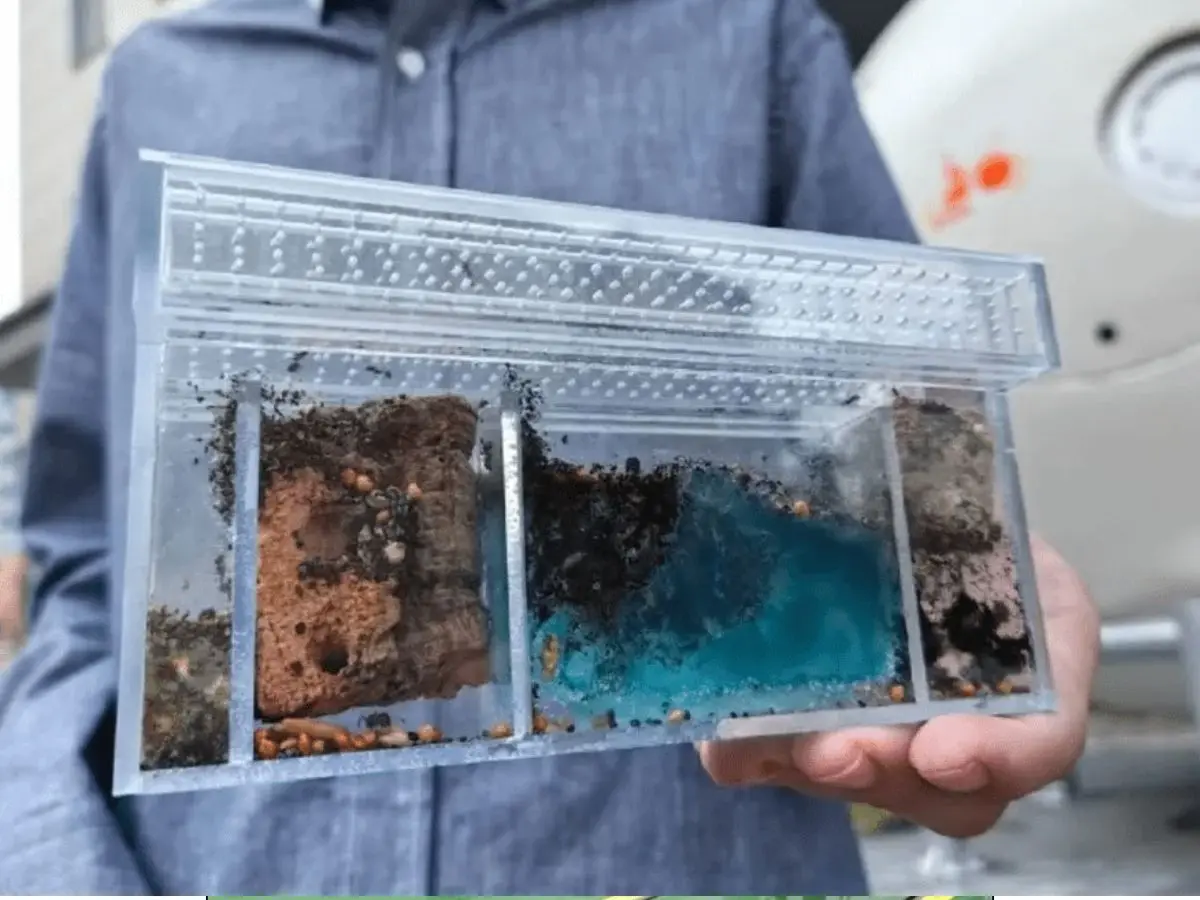
Russia is sending a spacecraft called Bion-M No.
2 into space to study how space affects living things.
The spacecraft will carry mice, fruit flies, and other specimens to see how their bodies change in space.
Scientists want to understand how space travel, with its lack of gravity and high radiation, impacts life.
This research will help plan for future trips to the Moon and Mars, helping scientists figure out how to keep astronauts healthy.
The mission also involves testing materials to see how they might be used to build on the Moon.

Russia is launching the Bion-M No. 2 biosatellite carrying animals and other specimens into space.
The mission will study how microgravity and radiation affect living organisms.
The spacecraft will carry mice, fruit flies, cell cultures, microorganisms, and plant seeds.
Researchers will examine the effects of space conditions on lunar simulants.
The data aims to inform future long-duration space missions and improve astronaut health.
- Who
- Russia is conducting the mission, which involves scientists and researchers.
- What
- Russia is launching the Bion-M No. 2 biosatellite with animals and other biological specimens to study the effects of space on living organisms.
- When
- The launch is scheduled for August 20, 2025.
- Where
- The launch will be from the Baikonur Cosmodrome in Kazakhstan.
- Why
- To investigate how prolonged exposure to microgravity and radiation affects living organisms, providing essential data for the future of human spaceflight.
Proponents
Opponents
Ethical Considerations
Proponents
The mission is crucial for advancing human space exploration by understanding the effects of space on living organisms.
Opponents
The mission raises ethical concerns regarding animal welfare in space.
- Mission Name
- Bion-M No. 2
- Launch Date
- August 20, 2025
- Launch Site
- Baikonur Cosmodrome
- Rocket
- Soyuz-2.1b
- Carried Specimens
- Mice, fruit flies, cell cultures, microorganisms, plant seeds, lunar simulants
- Mission Duration
- 30 days