Archive · 15 Aug 2025
Canada Immigration Refusal Rates Rise Amidst Policy Shifts
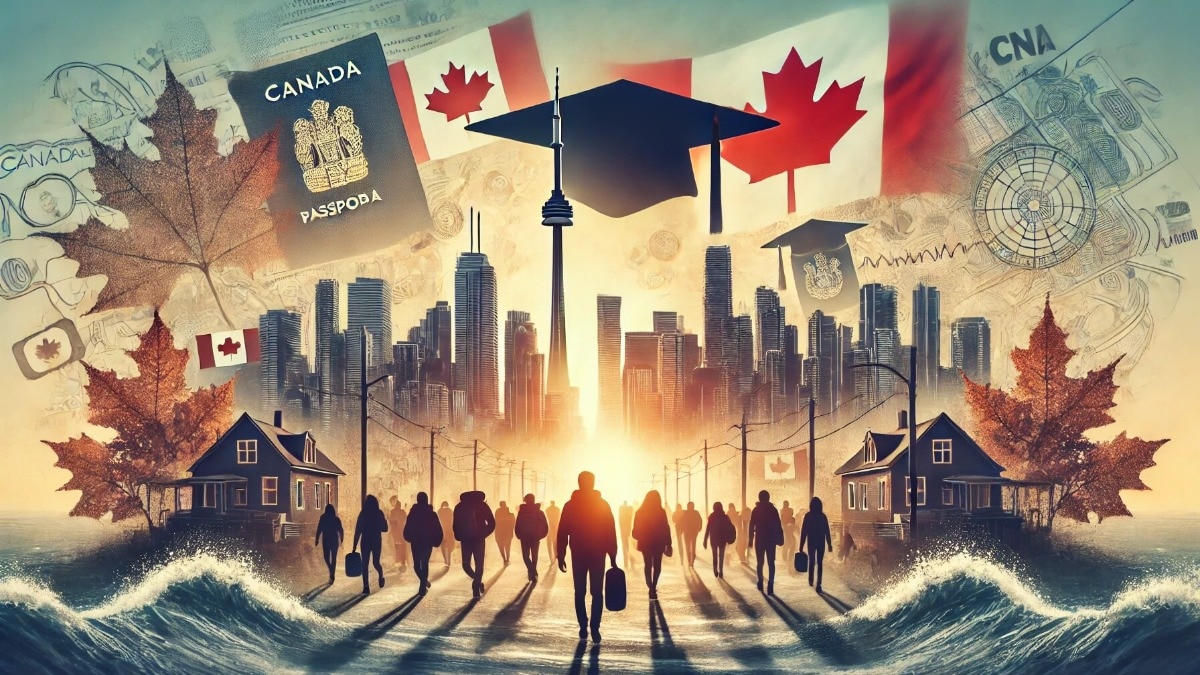
Canada is saying no to more people who want to move there.
New rules about how much money people have, their language skills, and who can join them are making it harder to get a visa.
Even though Canada is trying to let in fewer people, the lines of applications are still very long.
Even with the new rules, many international students still want to study in Canada because of the good schools and diverse culture.

Canada's immigration refusal rates have increased across multiple categories since 2023.
Policy shifts, including study permit cuts and stricter language requirements, are contributing to higher rejections.
Refusal rates have risen for both temporary and permanent resident programs.
Despite tightening rules, Canada remains attractive to international students.
Application backlogs persist despite reduced targets and staff cuts.
- Who
- Immigration applicants, the Canadian government, and international students.
- What
- Canada is experiencing rising immigration refusal rates across various categories.
- When
- Refusal rates have been increasing since 2023, with policy changes implemented from September 2024 through January 2025.
- Where
- Canada.
- Why
- Stricter policies and procedural pressures have led to increased refusal rates.
Government Immigration Reforms
Immigration Control
Policy Effectiveness
Government Immigration Reforms
Stricter rules and requirements for potential immigrants may make it harder to secure visas.
Immigration Control
These policy changes may streamline the immigration process to achieve targeted objectives.
- Study Permit Approval Cut (2024 to 2025)
- 10%
- Study Permit Refusal Rate (2023 to 2025)
- 40.5% to 65.4%
- Family Class Refusal Rate (2023 to 2025)
- 7.2% to 12.6%
- Number of Applications in System (June 2025)
- 2,189,500
- Applications exceeding standards (June 2025)
- 842,800
- Postgraduation Work Permit Language Requirement
- CLB 7 (university), CLB 5 (college)