Archive · 18 Jul 2026
Iran Hardliners Accuse Leaders of Coup
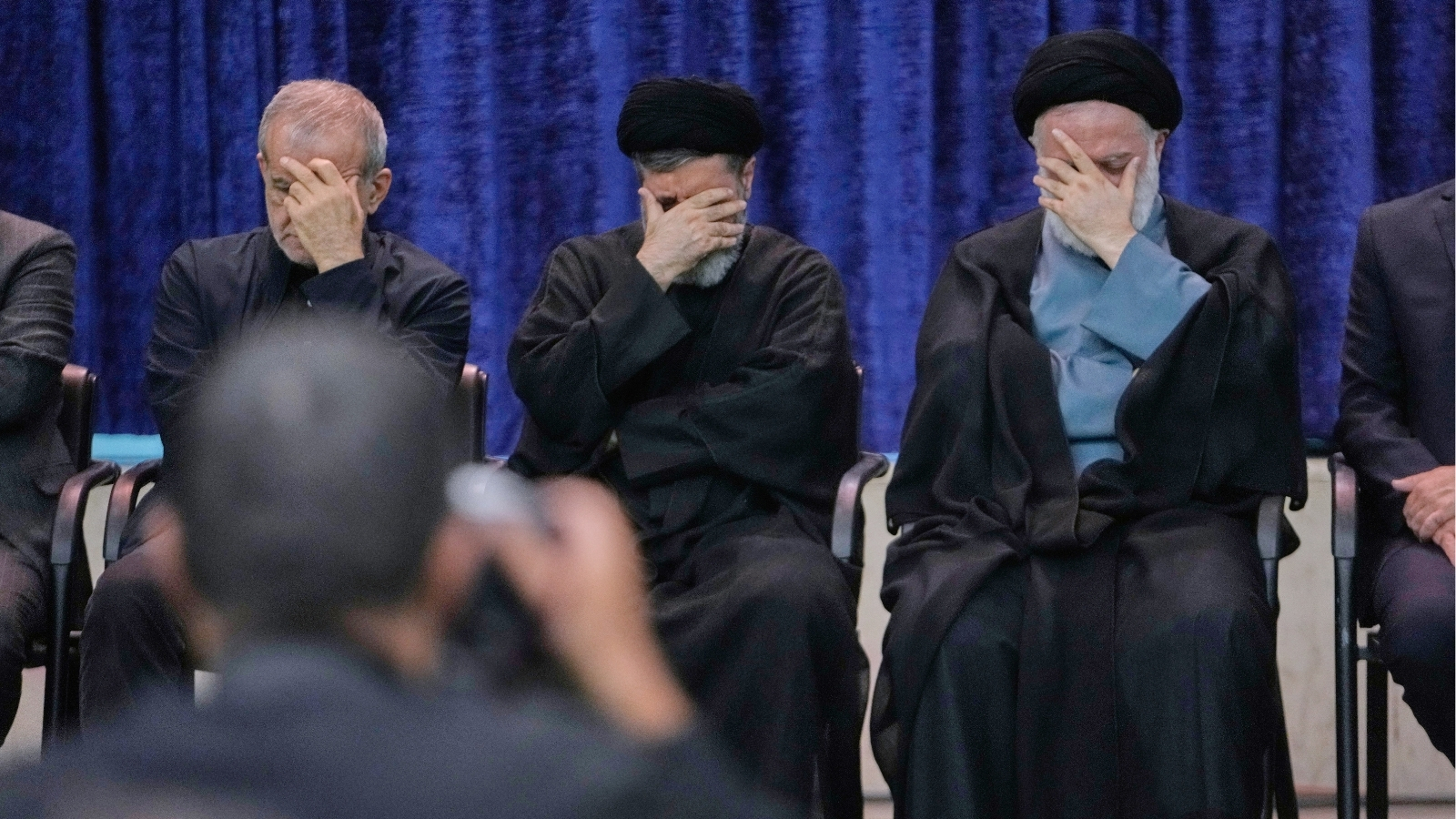
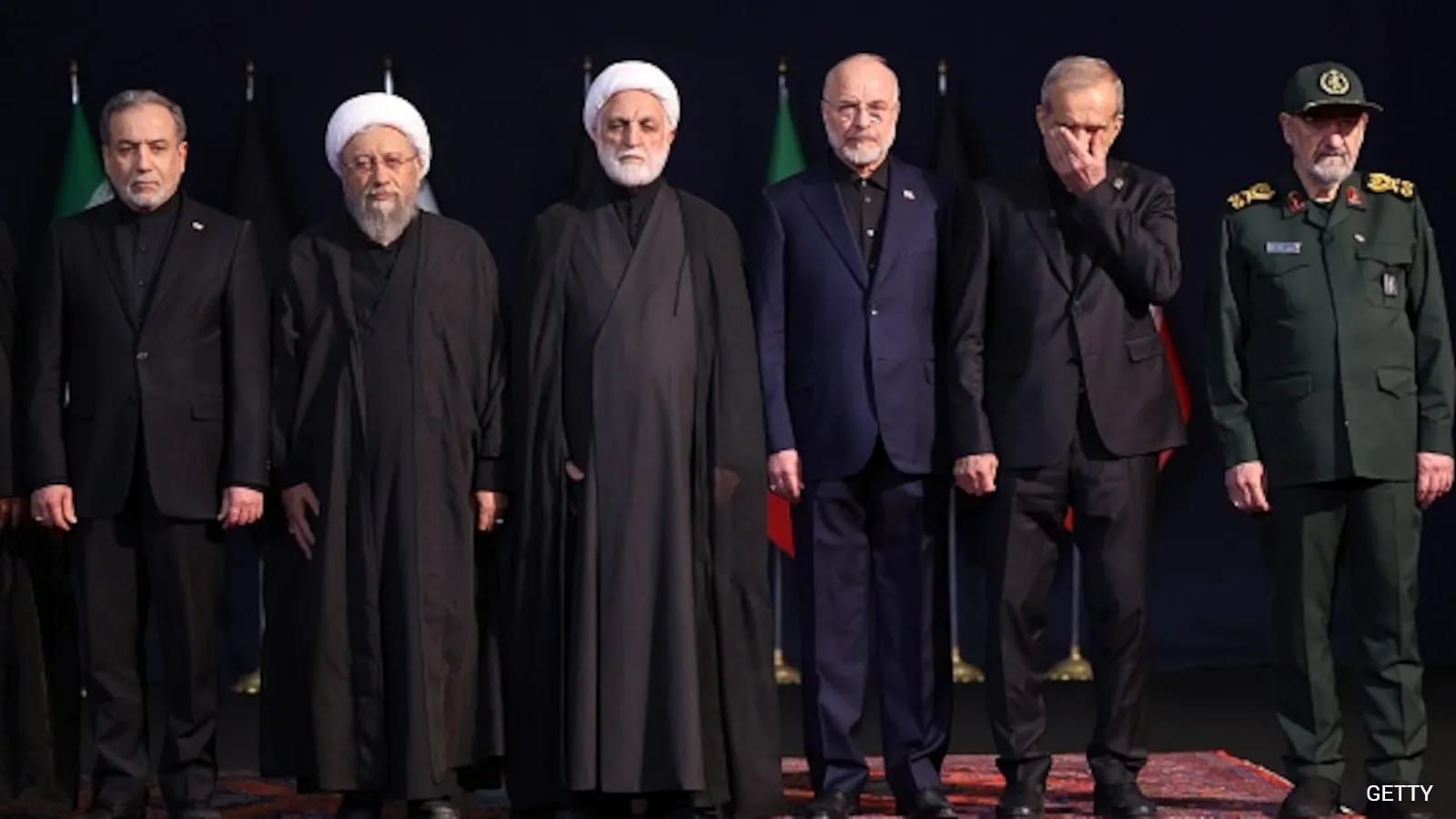
After the death of Iran's Supreme Leader Ali Khamenei, some hardliners in Iran are accusing the country's leaders of staging a 'soft coup'.
They believe that the leaders who negotiated a ceasefire agreement with the US are going against the wishes of the new Supreme Leader, Mojtaba Khamenei, who has not been seen in public.
The hardliners are upset because they think the agreement gives up too much to the US and does not do enough for Iran.
They have even threatened the leaders, saying they will bring 'hell' upon them if they do not follow the Supreme Leader's orders.
On the other hand, the government officials say the agreement is good for Iran because it ends the war and leads to sanctions relief.
They also say it allows Iran and Oman to control shipping through the Strait of Hormuz.
The hardliners and the government officials have different views on what the agreement means for Iran and who is really in charge.

Iranian hardliners accuse leaders of staging a 'soft coup' by negotiating with the US.
Supreme Leader Mojtaba Khamenei has not been seen in public, fueling speculation and accusations.
Hardliners believe the agreement defies Khamenei's orders and undermines Iran's revolutionary ideals.
Government officials defend the agreement, saying it ends the war and leads to sanctions relief.
The Strait of Hormuz is a major point of contention, with hardliners arguing it surrenders a key bargaining tool.
- Who
- Iranian hardliners, government officials, and the public
- What
- Accusations of a 'soft coup' by hardliners against the government for negotiating with the US
- When
- After the funeral of Supreme Leader Ali Khamenei and the negotiation of a ceasefire agreement with the US
- Where
- Tehran, Iran
- Why
- Hardliners believe the agreement defies the orders of Supreme Leader Mojtaba Khamenei and undermines Iran's revolutionary ideals, while government officials defend it as necessary for ending the war and achieving sanctions relief
Hardliners
Government Officials
Nature of the Agreement
Hardliners
The agreement with the US is a 'soft coup' and a 'catastrophic capitulation' that defies the orders of Supreme Leader Mojtaba Khamenei and undermines Iran's revolutionary ideals.
Government Officials
The agreement ends the war, leads to sanctions relief, and allows Iran and Oman to regulate shipping through the Strait of Hormuz under 'Iranian arrangements'.
Supreme Leader's Role
Hardliners
Mojtaba Khamenei's absence is suspicious, and the visible leadership is plotting to consolidate power by defying his orders.
Government Officials
The visible leadership, including Mohammad Bagher Ghalibaf, Masoud Pezeshkian, and Abbas Araghchi, are leading post-war Iran in Mojtaba Khamenei's absence.
Strait of Hormuz
Hardliners
Reopening the Strait of Hormuz surrenders one of Iran's strongest bargaining tools and fails to guarantee meaningful sanctions relief or compensation.
Government Officials
The agreement allows Iran and Oman to regulate shipping through the Strait of Hormuz under 'Iranian arrangements'.
- Supreme Leader
- Ali Khamenei (deceased), Mojtaba Khamenei (successor, currently invisible)
- Key Figures
- Masoud Pezeshkian (President), Abbas Araghchi (Top Diplomat), Mohammad Bagher Ghalibaf (Chief Negotiator)
- Agreement Details
- Ceasefire with the US, limited sanctions relief, regulation of Strait of Hormuz
- Hardliner Criticisms
- Accusations of a 'soft coup', 'catastrophic capitulation', and defiance of Supreme Leader's orders
- Government Defense
- Agreement ends war, leads to sanctions relief, and allows Iranian regulation of Strait of Hormuz