

Archive · 26 Oct 2025
Seeds: The Tiny Powerhouses of Nutrition
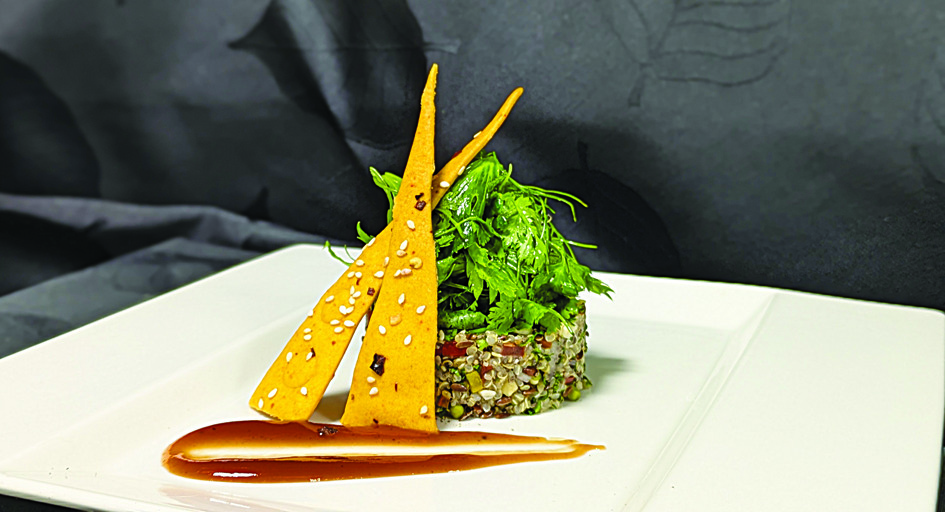
Seeds are like tiny superheroes packed with good stuff!
They're full of protein, fiber, and healthy fats that are good for your heart and keep you feeling full of energy.
You can sprinkle them on salads, blend them into smoothies, or add them to your oatmeal.
Different seeds have different benefits – like chia seeds, which help with hydration, or sunflower seeds, which are good for your skin.
Just remember, a little handful each day is all you need!

Seeds are a concentrated source of nutrients, including protein, fiber, and healthy fats.
Regular seed consumption is associated with improved heart health, digestion, and sustained energy.
Seeds can be added to many dishes like salads, smoothies, and baked goods.
Different seeds offer different benefits, such as omega-3s in chia seeds and vitamin E in sunflower seeds.
It's recommended to consume a variety of seeds and to store them properly.
- Who
- Nutritionists, chefs, and health educators
- What
- Seeds as a nutritious and versatile food source.
- When
- Ongoing
- Where
- Various recipes and applications.
- Why
- Seeds offer a range of health benefits, including improved heart health, digestion, and sustained energy.
- Key Seeds Mentioned
- Flax, chia, pumpkin, sunflower, sesame, and watermelon seeds
- Benefits
- Improved heart health, better digestion, sustained energy, and healthy skin
- Seeds to use
- Roasted, soaked, or ground
- Caution
- People with nut/seed allergies should exercise caution