Archive · 3 Sep 2026
India Needs One Ministry to Coordinate Its Energy System
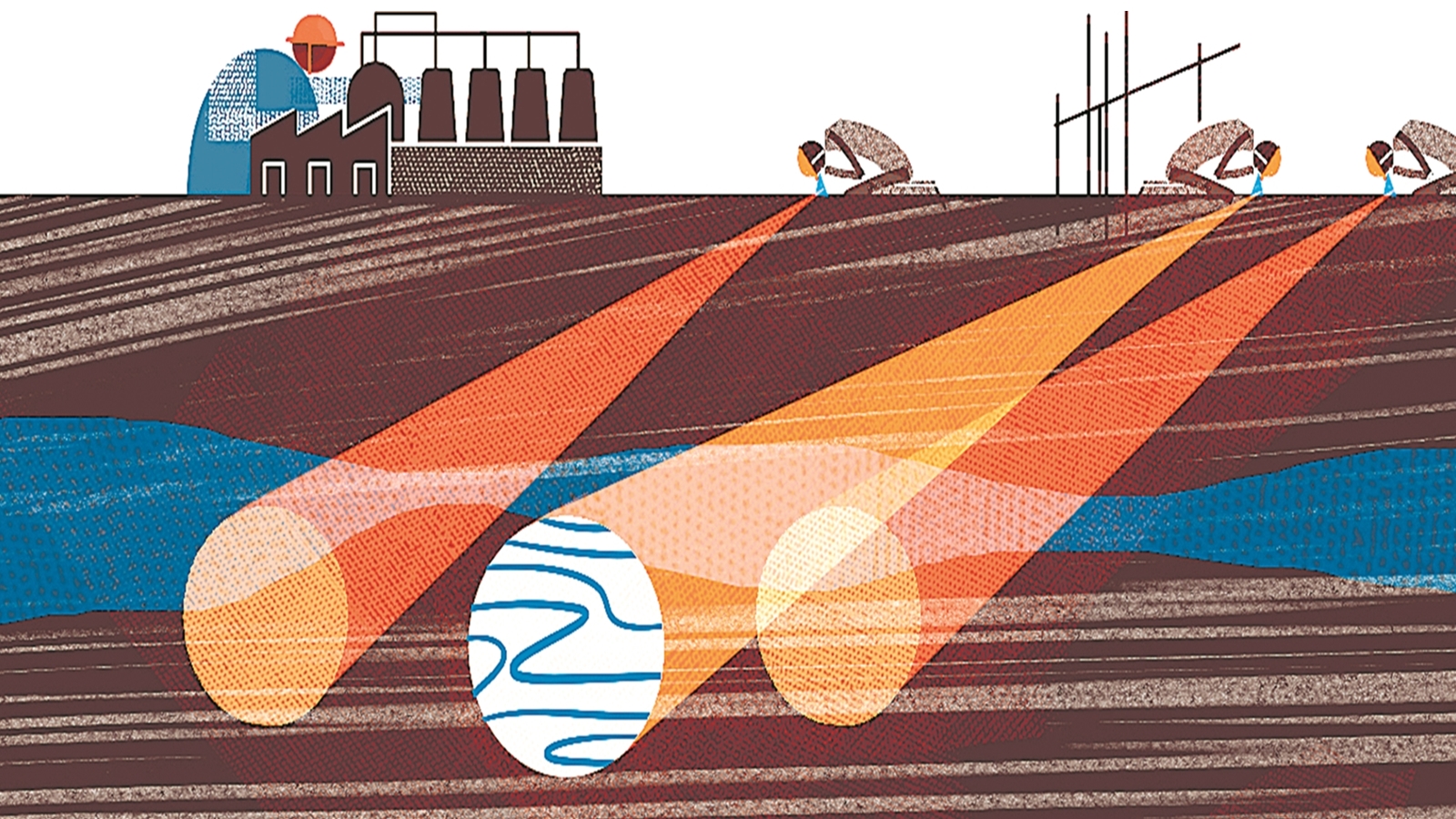
India uses many kinds of energy, such as coal, gas, solar, hydropower, and nuclear power.
Each kind is useful at different times.
They all depend on the same electricity grid.
The article says India currently manages these energy sources through five separate ministries.
This can make projects and supplies difficult to coordinate.
For example, renewable projects may be ready before transmission lines are available.
Pratik Agarwal wants one ministry to plan the whole energy system together.
Experts and specialized departments could remain, but one ministry would set the overall strategy.

Pratik Agarwal proposes creating a unified Ministry of Energy for India.
Coal, oil and gas, renewables, electricity, and nuclear energy are currently overseen separately.
The article says fragmented governance has caused mismatches involving transmission, fuel, coal logistics, and electricity demand.
Integrated planning would cover generation, fuel supply, transmission, storage, and demand.
The proposed ministry would retain specialized departments while pursuing a lower-cost, reliable, and secure energy mix.
- Who
- Pratik Agarwal, chairman of Resonia and Serentica Renewables and managing director of Sterlite Electric, is proposing reform by the Indian government.
- What
- The proposal is to create a unified Ministry of Energy for integrated energy planning and governance.
- When
- The proposal is made as India moves toward a more complex energy era and seeks to become a developed economy; no specific date is given.
- Where
- India.
- Why
- The author argues that separate ministries optimize individual fuels rather than the interconnected energy system, creating coordination problems across generation, fuel, transmission, storage, and demand.
- Proposal
- Create a single Ministry of Energy for India.
- Current structure
- Coal, oil and gas, renewables, electricity, and nuclear energy are handled by separate ministries.
- System challenge
- Energy sources now play different roles at different times while depending on the same electricity grid.
- Planning areas
- Generation, fuel supply, transmission, storage, and demand.
- Reported mismatches
- Renewable projects have been commissioned before transmission was ready, while gas plants lacked assured fuel and coal, imports, railway logistics, and demand sometimes diverged.
- Proposed outcome
- A lower-cost, more reliable, and more secure energy mix for India.
- Countries cited
- The United States, Brazil, Saudi Arabia, and the United Kingdom are cited as having unified energy ministries.