

Archive · 23 Aug 2025
Tibetan Youth in Exile: Preserving Culture in India
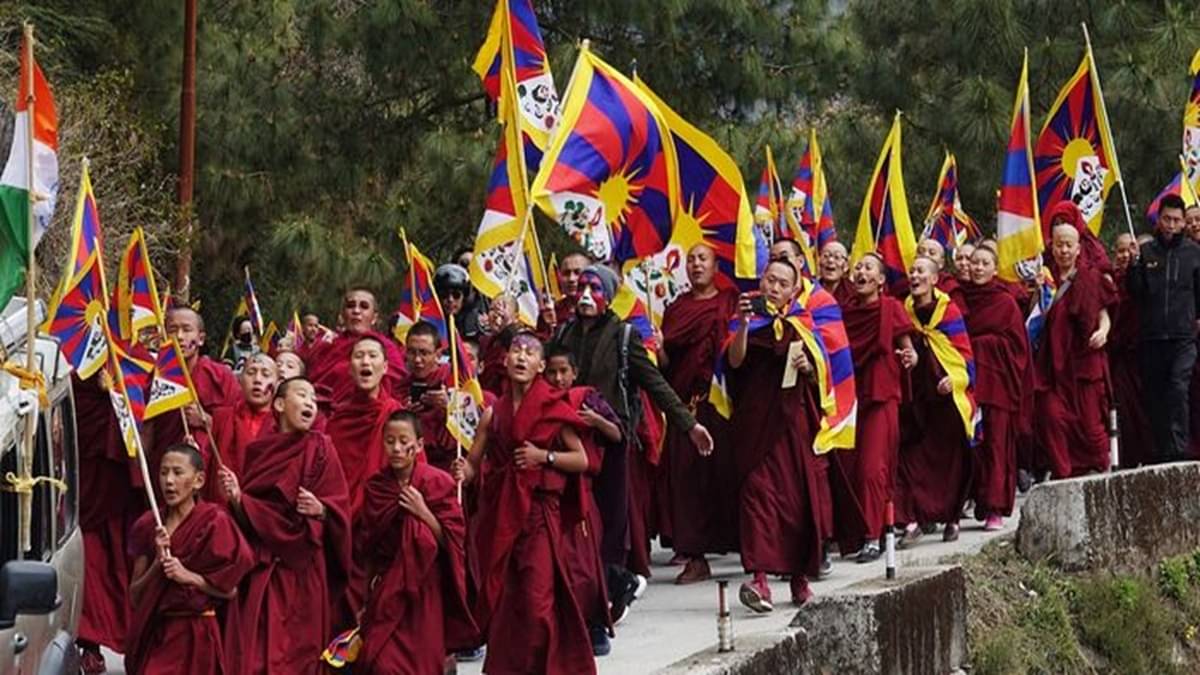
Imagine a group of kids whose families had to leave their home country a long time ago.
These kids, born in a new place, still want to remember where their families came from.
They go to special schools and learn about their old country's language, traditions, and religion.
It's a bit tricky because they also need to fit into their new home.
Sometimes, they feel like they don't quite belong anywhere.
To stay connected to their roots, they practice their culture and look up to important spiritual leaders.
They also use social media and modern art to keep their culture alive and share it with others.
It's a balancing act, keeping the old while embracing the new, all while hoping to stay connected to their heritage.

Tibetan youth in India, born in exile, strive to preserve their cultural identity.
Tibetan settlements in India were established after the 1959 uprising, such as in Dharamshala.
Young Tibetans learn their language, customs, history, and religious traditions in schools.
Adaptation to Indian life brings challenges, including identity issues and cultural dilution.
Tibetan Buddhism and youth activism help maintain cultural links and aspirations.
- Who
- Tibetan youth.
- What
- Tibetan youth in exile are striving to preserve their cultural identity.
- When
- Since the 1959 uprising.
- Where
- In Tibetan settlements in India, such as Dharamshala, Karnataka, and Uttarakhand.
- Why
- To preserve cultural identity and heritage against displacement and generational change.
Challenges of Integration
Maintaining Heritage
Modernization vs. Tradition
Challenges of Integration
Some feel a tension between integrating into Indian society and the desire to return to Tibet.
Maintaining Heritage
There is a pressure to modernize.
- Event
- 1959 uprising
- Location of settlements
- Dharamshala, Karnataka, Uttarakhand
- Key cultural elements
- Language, customs, history, religious traditions
- Role of religious leader
- Dalai Lama
- Challenges
- Identity issues, cultural dilution