

Archive · 7 Sep 2025
India: Protests and Unequal Treatment Under Modi's Government
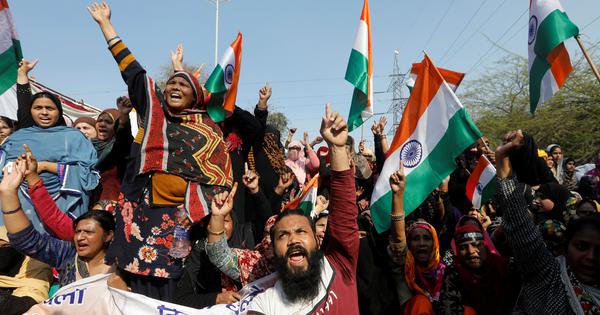
In India, whether you can protest without problems depends on who you are.
Some groups like Marathas and farmers get favorable treatment, while Citizenship Act protesters face consequences.
The government seems tougher on certain groups.
Also, the Goods and Services Tax (GST) is changing, and in Manipur, agreements are made with different groups to maintain peace.
Meanwhile, a politician resigned from her party.

Protest rights in India vary based on group affiliation and social standing.
Maratha protests led to government concessions; Citizenship Act protestors face charges.
Farmers protesting farm laws saw the government withdraw the laws.
New GST structure with two main tax rates will take effect.
Manipur government signed an agreement with Kuki-Zo groups regarding the Suspension of Operation pact.
- Who
- Citizens, including Marathas, Citizenship Act protestors, farmers, and Kuki-Zo groups.
- What
- Protests, government responses, and policy changes.
- When
- Ongoing, with events discussed from before 2014 to present day.
- Where
- India, specifically Maharashtra, Delhi, and Manipur.
- Why
- Citizens exercising right to protest, expressing grievances, or seeking policy changes.
- Citizenship Act Protests
- Activists remain in jail for five years
- Farm Law Protests
- Led to government withdrawal of laws
- GST Rate Changes
- New GST structure effective Sept 22
- Manipur Unrest
- Agreement signed with Kuki-Zo groups to renew the Suspension of Operation pact
- Kavitha's Resignation
- Resigned from BRS party following suspension