5 hrs ago
Jamie Dimon Praises India’s Growth, Flags Tax and Competition Concerns

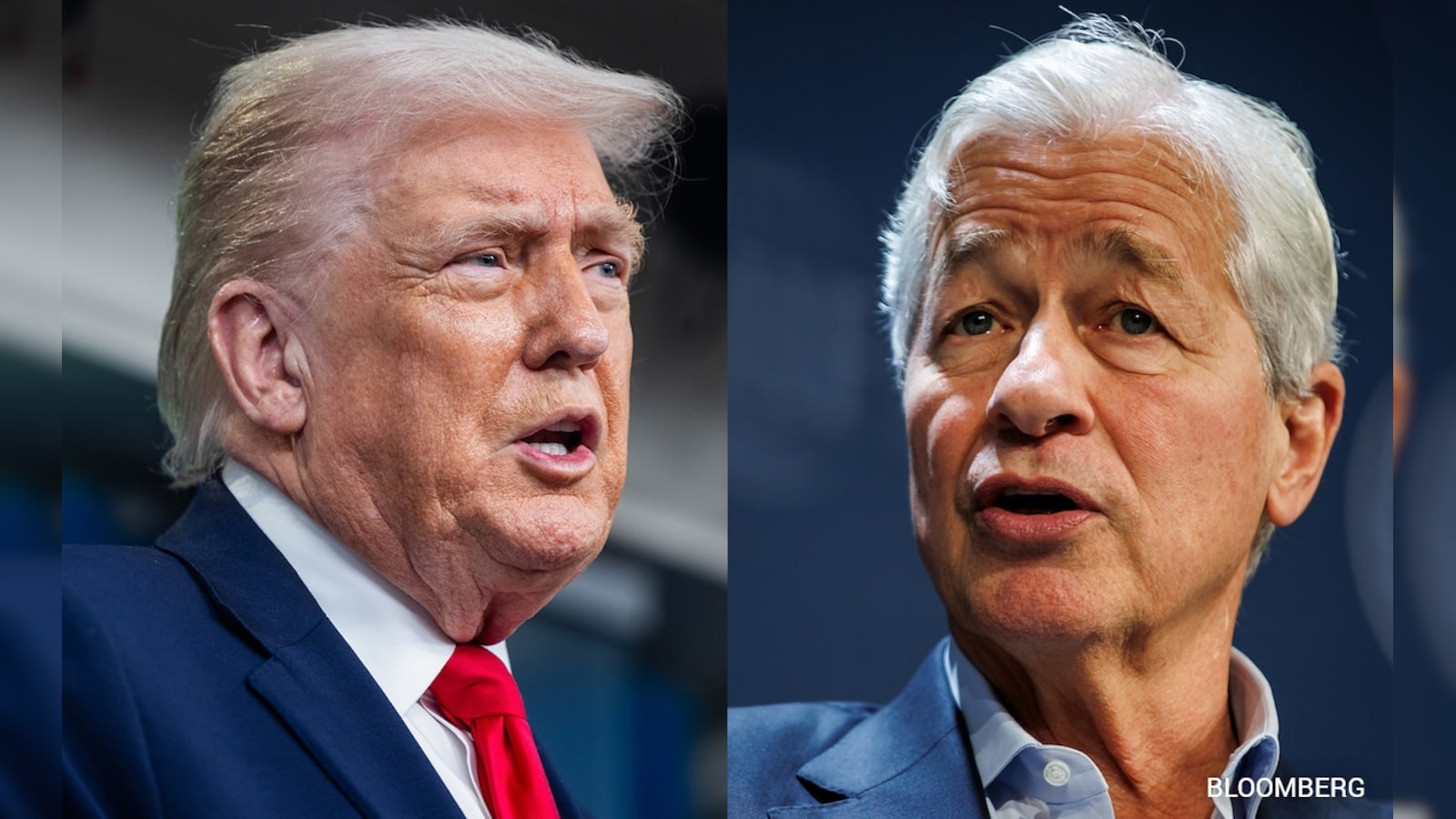
Jamie Dimon is the leader of JPMorgan Chase.
He said many investors like India’s long-term economic potential.
However, some investors worry that Indian tax rules are not always applied consistently.
Companies may sometimes pay more tax than they expected.
Dimon also said foreign companies can find it difficult to compete in India.
He believes stronger competition could benefit Indian citizens.
India received almost $100 billion in foreign investment during the year ending in March, but much of that money later moved out or was invested overseas.
India’s economy still grew by nearly 8% in the latest quarter.
Dimon said clearer rules and deeper financial markets could help India attract more investment.

Jamie Dimon said global investors remain positive about India’s long-term investment prospects.
He said inconsistent tax application and unexpected tax bills continue to concern foreign companies.
Dimon argued that restrictions limiting foreign competition reduce investment and harm Indian citizens.
India attracted nearly $100 billion in gross FDI, but net inflows were about $7 billion in the year ending March.
India’s economy grew at nearly 8% in the latest quarter, while AI, geopolitics and trade uncertainty influenced investment decisions.
- Who
- Jamie Dimon, chairman and CEO of JPMorgan Chase & Co., and global investors.
- What
- Dimon discussed India’s economic prospects, taxation, foreign investment and competition.
- Where
- India.
- When
- In an interview published Tuesday; the cited investment figures cover the financial year ending in March, and equity withdrawals occurred during the current year.
- Why
- Tax uncertainty, restrictions on foreign competition, AI opportunities, geopolitical developments and global trade uncertainty are influencing investment decisions.
Investor Concerns
Growth Optimism
Tax certainty
Investor Concerns
Foreign investors say India’s relatively high taxes and inconsistent application of tax rules can create unexpected costs.
Growth Optimism
Dimon said India remains attractive for long-term investment despite these concerns and noted that the government has taken steps to address some issues.
Foreign competition
Investor Concerns
Foreign companies argue that regulations can make it difficult to compete in India and limit foreign direct investment.
Growth Optimism
Dimon said greater competition would benefit India and that governments should not allow local companies to use regulations to block competitors.
Investment outlook
Investor Concerns
AI opportunities, geopolitical developments, trade uncertainty and regulatory concerns are affecting investment decisions, while foreign investors have withdrawn about $25 billion from Indian equities this year.
Growth Optimism
India’s economy grew nearly 8% in the latest quarter, and Dimon expressed confidence in its longer-term economic prospects.
Key facts
- Speaker
- Jamie Dimon, chairman and CEO of JPMorgan Chase & Co.
- Gross FDI
- India received close to $100 billion in foreign direct investment during the financial year ending in March.
- Net FDI
- Net foreign investment inflows were around $7 billion after investment exits and increased overseas investment by Indian companies.
- Equity withdrawals
- Foreign investors withdrew around $25 billion from Indian equities so far this year.
- Economic growth
- India’s economy expanded at a pace close to 8% in the latest quarter.
- Government measures
- In June, the government removed taxes on foreign investments in government securities and relaxed some overseas ownership restrictions on bonds.
- Capital markets
- Dimon said India has significant potential to further develop and deepen its capital markets.
Quotes

Jamie Dimon
Chairman and CEO of JPMorgan Chase
“Foreign companies often have a hard time competing here because they’re not allowed to. As a result, India attracts less foreign direct investment. Competition is good for India. Sometimes local companies use regulations to block competition, and the governments shouldn’t allow that. I think it’s bad for all Indian citizens.”
 livemint.com
“Most investors probably have very positive views on long-term investment in India, but they worry about the inconsistent application of taxes”
livemint.com
Sources
Related news

Jamie Dimon Backs Tata Chairman Amid Boardroom Conflict

Japanese Institutions Back India Growth, Flag Short-Term Investment Risks

Japanese Financial Institutions Seek Easier Access to India’s Markets
India courts global investors through parallel Canada, Japan outreach

Jamie Dimon Meets Sitharaman at JPMorgan India Conference
India’s proposed FDI rules could deter foreign capital and deals

Traders Hedge Against a Shallower Federal Reserve Rate-Hike Cycle

Indian Stocks Slip as Oil Falls and Corporate Developments Unfold

Volkswagen Warning Fails to Derail European Auto Stock Optimism