Archive · 10 Nov 2025
NYU Professor: Gold May Be Overpriced, Driven by Fear and Mistrust
Imagine gold is like a popular toy that suddenly became super expensive.
A smart professor named Aswath Damodaran looked at why this happened.
Usually, this toy gets expensive when there's a big problem in the world, like when prices for everything go up a lot (inflation) or when people are scared about the economy.
But lately, the toy got much more expensive even without those big problems.
The professor used two ways to check if it's too expensive: he compared its price to everyday prices (like groceries) and to the price of another shiny metal, silver.
Both comparisons show the toy is much pricier than it used to be, suggesting it might be overpriced.
He thinks maybe the old reasons why the toy became popular don't apply anymore.
Now, people might be buying it because they don't trust big banks or governments, or because they're worried about global politics and trade fights, or because it's easier than ever to buy a little bit of gold.
He also points out that while gold is seen as safe, it hasn't made as much money over the long run as other investments like stocks, and buying and selling it at the right time is very tricky.

Gold prices have surged 57% by October 2025, breaching $4,000 per ounce for the first time, a rise not fully explained by historical triggers like high inflation or deep crises.
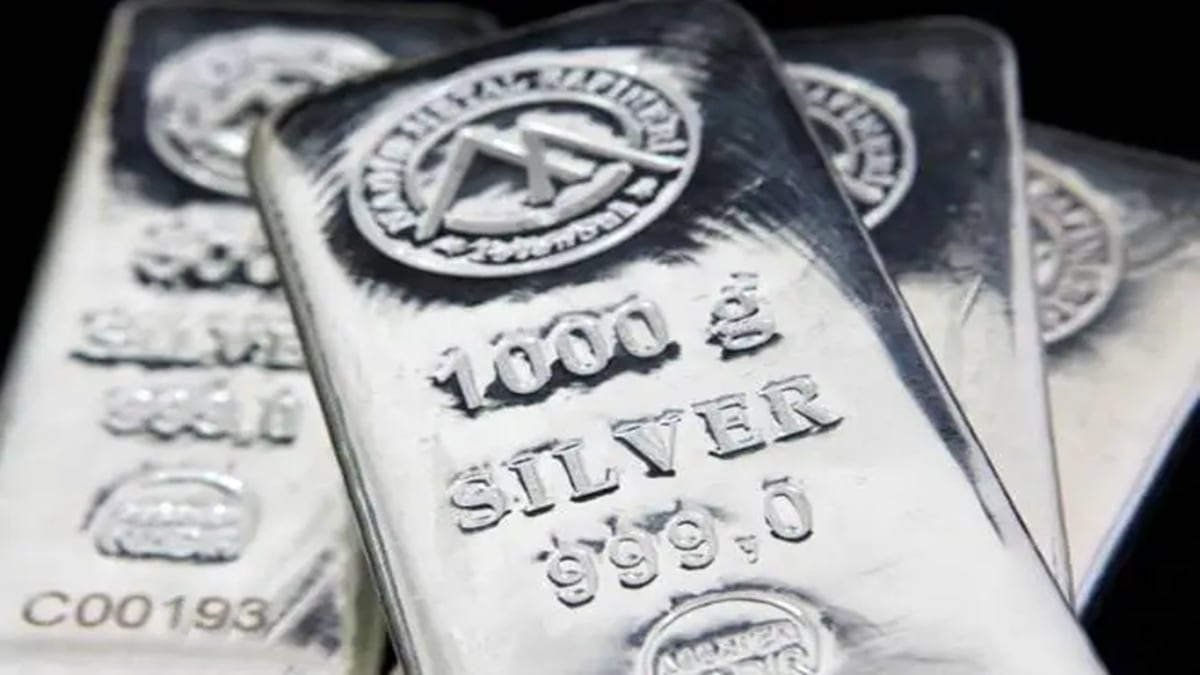
Traditional valuation metrics, such as the Gold-to-CPI ratio (17.81) and the Gold-to-Silver ratio (84.73), indicate that gold is significantly overpriced compared to historical medians.
New factors driving gold's price include increased accessibility via ETFs, declining trust in central banks and governments, a strained US dollar, and heightened political/trade instability.
Damodaran suggests gold's primary roles historically were as a hedge against unexpected inflation and a safe haven during catastrophic crises, but these links are becoming less reliable.
Investors should consider why they hold gold, as treating it as a core investment yields lower returns than equities, acting as insurance requires significant allocation, and trading it is risky.
- Who
- Aswath Damodaran, NYU finance professor
- What
- Analyzed gold's recent surge in price, questioning if it is overvalued based on traditional metrics and suggesting new drivers like fear, mistrust, and geopolitical instability.
- When
- Through October 24, 2025 (for price data), and a general analysis of historical trends and current market conditions.
- Where
- Global financial markets, with specific reference to US financial data (equities, CPI, Silver).
- Why
- To understand the reasons behind gold's significant price increase without the usual historical triggers of high inflation or deep crises, and to assess if traditional valuation models are still applicable.
Arguments for Gold's Current Value
Arguments Against Gold's Current Value
Historical Valuation Metrics
Arguments for Gold's Current Value
The current surge in gold prices, despite a lack of traditional triggers like runaway inflation or deep crises, suggests a structural shift in its valuation, moving beyond historical metrics.
Arguments Against Gold's Current Value
Based on historical metrics like the Gold-to-CPI ratio (17.81 vs. median of 3) and Gold-to-Silver ratio (84.73 vs. median of 57.09), gold appears significantly overpriced.
Drivers of Gold's Price
Arguments for Gold's Current Value
Gold's price is driven by structural shifts including increased access through ETFs, mistrust in central banks, a weakening US dollar, and political/trade instability, which are the new 'normal' drivers.
Arguments Against Gold's Current Value
Historically, gold's price surges are triggered by unexpected inflation or deep crises. The current climb, without these usual triggers, suggests overvaluation.
Investor Strategy for Gold
Arguments for Gold's Current Value
Investors may hold gold as a core investment for its perceived safety against loss of principal, as insurance against catastrophe (requiring 15-20% allocation), or as a signal of inflation/crisis risk.
Arguments Against Gold's Current Value
Gold as a core investment shows weaker historical returns and higher volatility compared to equities. Using it as a trade is perilous due to timing risks, and as a signal, it's contemporaneous, not predictive.
- Gold Price Surge (Year to Oct 24, 2025)
- 57%
- Gold Price per Ounce (October 2025)
- Over $4,000
- Gold Price Change (2015-Oct 2025)
- Quadrupled
- Gold-to-CPI Ratio (October 2025)
- 17.81
- Long-term Median Gold-to-CPI Ratio
- ~3
- Gold-to-Silver Ratio (October 2025)
- 84.73
- Historic Median Gold-to-Silver Ratio
- 57.09
- Gold's Historical Annual Returns (1984-2024)
- 5.35%
- US Equities' Historical Annual Returns (1984-2024)
- 11.38%
Sources
70% of India’s silver demand in bars; ETF investments surge over 50%
Gold Prices Expected To Remain In Corrective Phase Ahead Of Crucial US Macrodata

Factors that will guide the markets this week
Gold to remain in corrective phase ahead of crucial US, China macrodata: Analysts
Gold rises more than 1% on Fed rate-cut bets, slowdown worries
Gold & Silver Prices Rise, Driven By Positive Global Cues & Possibility Of US Federal Reserve Lowering Interest Rates

Crude oil gains on hopes US government to reopen soon

Gold prices climb today! Check 24 karat and 22 karat rates in Mumbai, Delhi, Bengaluru and other cities on November 10

Why high volatility in gold prices could be a boon for equities in medium term

Fed may hold off on more cuts as yields stay firm above 4%: Franklin Templeton's Sonal Desai