

Archive · 30 Nov 2025
Ancient Fossils Reveal Magnetic Field Navigation
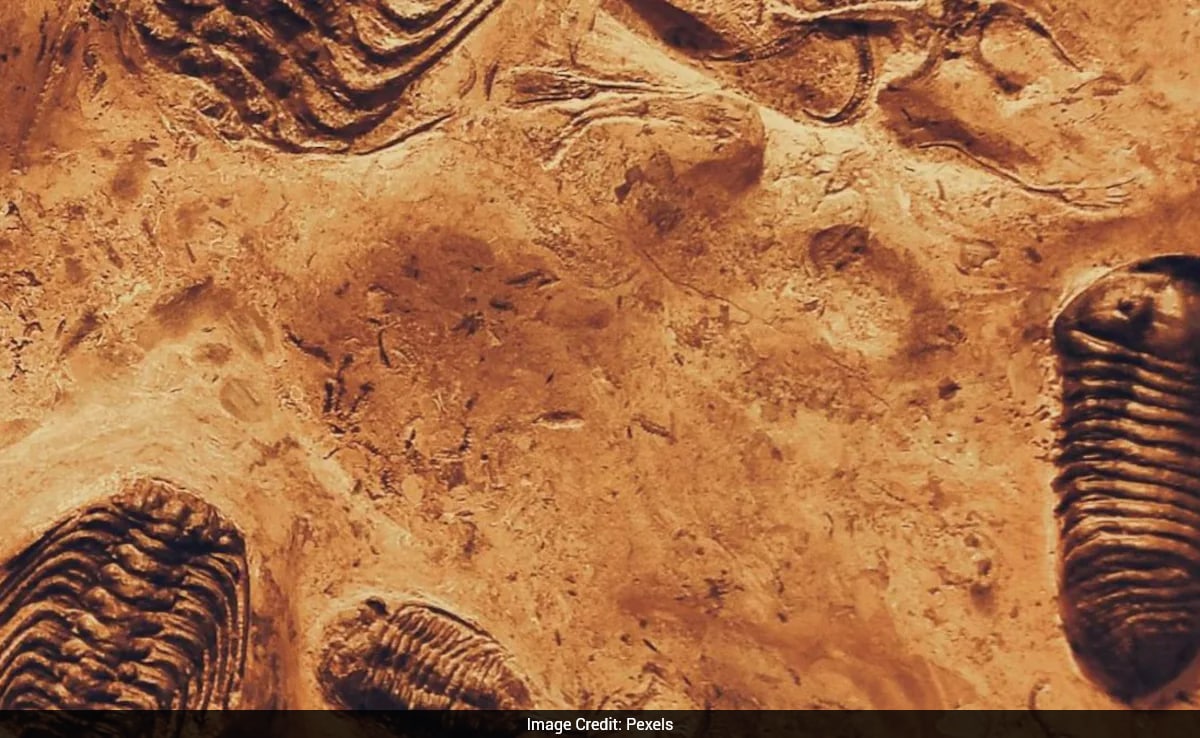
Scientists found tiny fossils from 97 million years ago that show animals used Earth's magnetic field to navigate, like a built-in GPS.
They used a special technique called magnetic tomography to see inside these fossils.
This technique helps them understand how these ancient creatures knew where they were going.
The fossils were studied at a special place called the Diamond X-ray Facility in Oxford.
The scientists think these organisms could tell direction and location very accurately.
This discovery helps us learn more about how animals have been using the Earth's magnetic field for a very long time.

Scientists discovered 97-million-year-old fossils showing evidence of magnetoreception.
Magnetoreception is a biological GPS that helps animals navigate using Earth's magnetic field.
Researchers used magnetic tomography to study the internal structure of the fossils.
The fossils were studied at the Diamond X-ray Facility in Oxford.
The findings suggest ancient organisms could accurately determine direction and location.
- Who
- Scientists from the University of Cambridge and the Helmholtz-Zentrum Berlin
- What
- Discovered evidence of magnetoreception in ancient fossils
- When
- Fossils are 97 million years old
- Where
- Fossils found on ocean floors, studied in Oxford
- Why
- To understand how ancient organisms navigated using Earth's magnetic field
- Fossil Type
- Magnetofossils
- Fossil Age
- 97 million years
- Research Technique
- Magnetic tomography
- Research Institutions
- University of Cambridge, Helmholtz-Zentrum Berlin, Max Planck Institute
- Research Facility
- Diamond X-ray Facility in Oxford