

Archive · 18 Aug 2025
Right to Buy Scheme: A Complex Legacy After 45 Years
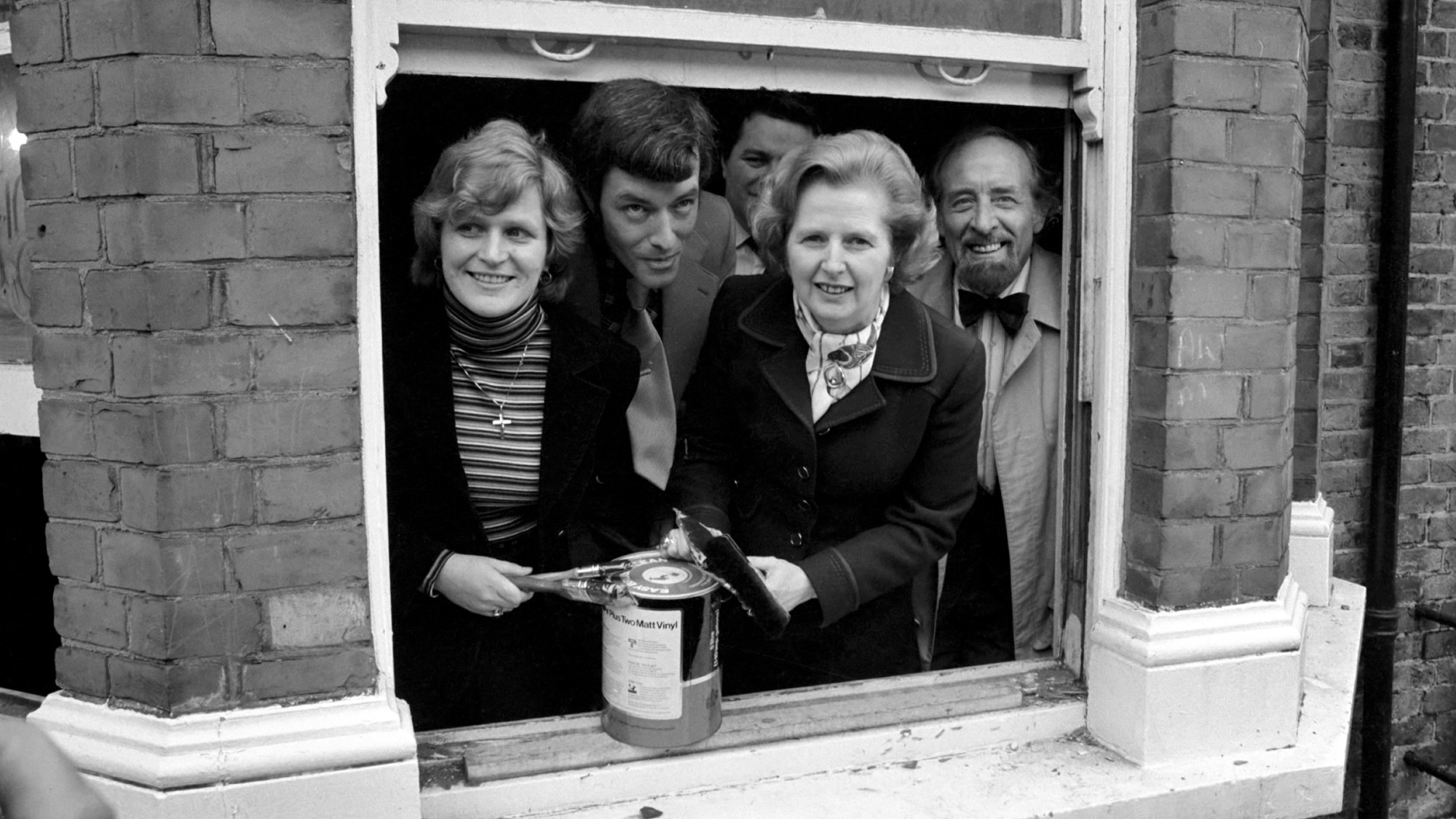
The Right to Buy scheme, a program started by Margaret Thatcher, let people in government-owned houses buy them at a reduced price.
While it helped some get on the property ladder, it also caused problems.
The main issue is that it led to a shortage of affordable housing because the sold homes weren't replaced.
This has made it harder for young people to buy homes and increased the wealth gap.
Many believe the scheme's goals, such as increasing home ownership, came at the expense of social housing for those who needed it.

Right to Buy scheme, introduced by Margaret Thatcher, is nearing its 45th anniversary.
The scheme allowed council-house tenants to purchase their homes at a discount.
Right to Buy has resulted in a decline in affordable housing stock.
Between 1980 and 2021, 1.8 million households in England used Right to Buy.
Critics argue the scheme increased inequality and depleted social housing.
- Who
- Margaret Thatcher introduced the Right to Buy scheme.
- What
- Right to Buy allowed council-house tenants to purchase their homes.
- When
- Introduced nearly 45 years ago, with the peak of its use between 1980 and 2021.
- Where
- United Kingdom
- Why
- To increase homeownership, but it also depleted affordable housing stock and contributed to inequality.
Negative Impacts
Positive Outcomes
Housing Stock
Negative Impacts
The scheme depleted the social housing stock.
Positive Outcomes
The scheme provided homeownership to many.
Wealth Distribution
Negative Impacts
The scheme led to an increase in inequality.
Positive Outcomes
The scheme offered an opportunity to own property.
- Initiated by
- Margaret Thatcher
- Approximate Cost to Taxpayers
- £200 billion
- Homes Sold (1980-2021)
- 1.8 million in England
- Primary Outcome
- Increased homeownership
- Criticism
- Depleted affordable housing