

Archive · 11 Jun 2025
India's Energy Transition: Balancing Growth and Climate Goals
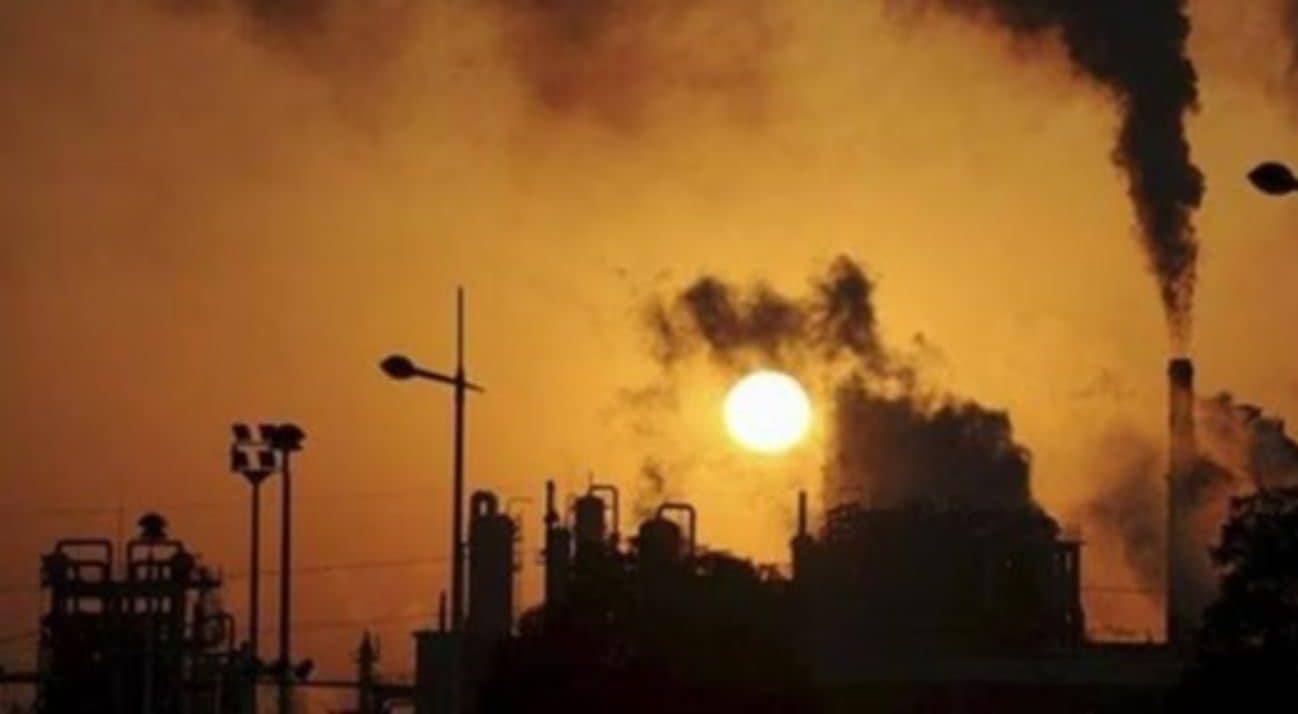
India is working on a big challenge: growing its economy while also protecting the environment.
Coal is a major source of energy, but it also contributes to climate change.
The government wants to switch to cleaner energy, but it's tricky because coal provides many jobs.
Regions with coal mines need help to change, like new job training and new industries.
Money from taxes and international help will be used to pay for this change.
It's a big plan that needs cooperation from the government, businesses, and workers to succeed.

India, a rapidly growing economy, must balance economic growth with climate commitments.
Coal currently provides a significant portion of India's energy and electricity.
Coal production in India crossed 1 billion tonnes in fiscal year 2024-25, a 5% increase.
Coal-bearing districts require strategic preparation for a sustainable economic future, including financial planning.
The energy transition needs to address regional inequalities and support workers with new skills.
- Who
- India's government, coal-bearing districts, and various stakeholders.
- What
- India's transition from coal to cleaner energy sources while managing economic development.
- When
- Ongoing, with a focus on the future up to 2047 and India's net-zero target by 2070.
- Where
- India, particularly in coal-bearing districts such as Madhya Pradesh, Chhattisgarh, Jharkhand, and Odisha.
- Why
- To balance economic growth, energy needs, climate commitments, and ensure a just transition for coal-dependent communities.
- Coal's Contribution to Energy Mix
- 55% of total energy, 74% of domestic electricity production
- Coal Production Increase (FY24-25)
- 5%
- Coal Imports Reduction
- 8.5%
- Coal-related Jobs
- Over 2.4 lakh
- Coal Reserves Concentration
- 77% in Madhya Pradesh, Chhattisgarh, Jharkhand, and Odisha