

Archive · 4 Nov 2025
SEBI Chairman Stresses Transparency and Auditable Books for Financial Intermediaries
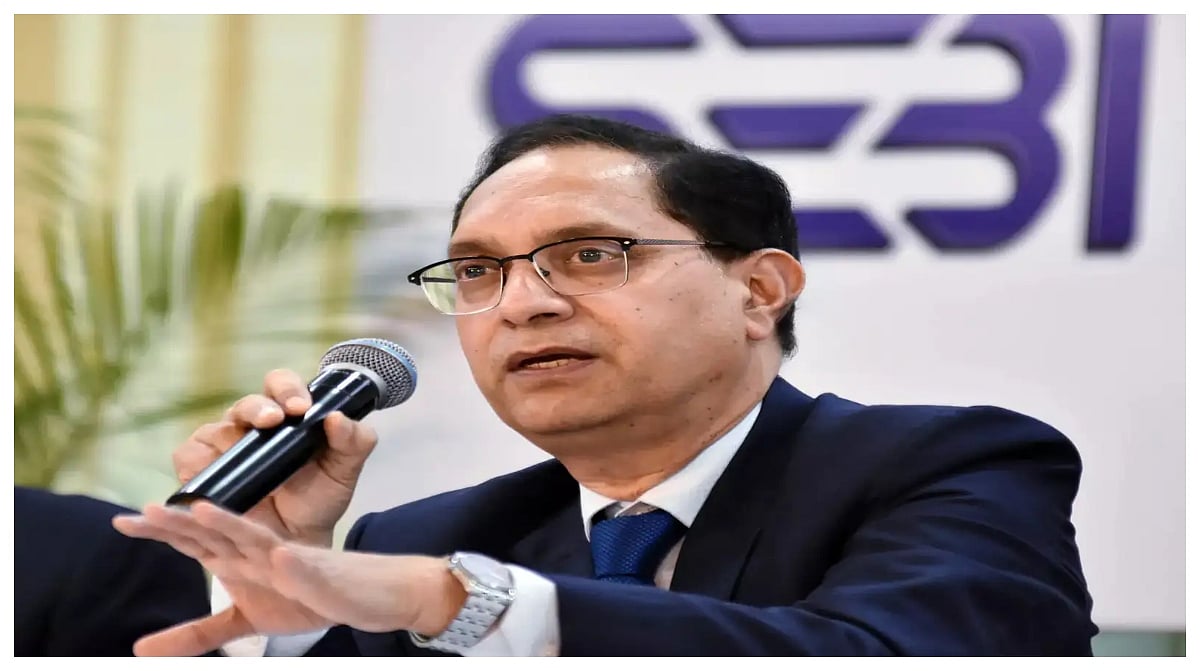
Imagine you have money to invest, like buying a small piece of a company.
The people who help you do this, like stockbrokers, need to be very honest and organized.
The boss of the market regulator, SEBI, said these helpers must keep their records super clean so they can be checked, and be very open about everything they do.
This is like making sure your lemonade stand is run properly so people trust you and want to buy your lemonade.
He also mentioned that sometimes computers can have problems, like a recent issue where trading was stopped for a while.
Keeping customer information safe and being ready for any computer problems is also very important, especially as we use more technology.
The main goal is to make sure everyone investing feels safe and confident, so they keep putting their money into the market.

SEBI Chairman Tuhin Kanta Pandey emphasized the necessity of clean, auditable books and transparency for financial intermediaries to gain investor trust.
He highlighted that investor confidence is built on fair market access, transparency in dealings, and accurate transaction execution.
Pandey noted SEBI's review of Stock Brokers Regulations, 1992, focusing on stronger compliance, risk identification, data protection, and grievance redressal.
The SEBI Chairman also addressed recent operational disruptions, like the MCX technical glitch, and the growing concerns around cybersecurity and third-party risks due to increased digital adoption.
He stated that intermediaries must ensure operational resilience and readiness amidst market volatility, especially with the rise of algorithmic and high-frequency trading.
- Who
- SEBI Chairman Tuhin Kanta Pandey
- What
- Stressed the need for financial intermediaries, including stockbrokers, to maintain clean, auditable books and a culture of transparency to earn investor trust and ensure market integrity.
- When
- Tuesday (during the Morningstar Investment Conference India 2025)
- Where
- Mumbai
- Why
- To foster investor confidence, maintain market liquidity, and address emerging risks related to digital adoption, cybersecurity, and new trading technologies.
Importance of Transparency and Compliance
Potential Challenges and Concerns
Investor Trust and Market Integrity
Importance of Transparency and Compliance
Financial intermediaries must maintain clean, auditable books and a culture of transparency to build and sustain investor trust, which is crucial for market liquidity.
Potential Challenges and Concerns
While transparency is vital, the rapid acceleration of digital adoption, global market linkages, and new trading technologies like algorithmic and high-frequency trading introduce new vulnerabilities and risks that must be carefully managed.
Compliance and Operational Resilience
Importance of Transparency and Compliance
Compliance should be seen as a foundation, not a ceiling, for integrity, resilience, and transparency, leading to better investor experiences and confidence.
Potential Challenges and Concerns
Technical glitches, such as the one experienced by MCX, highlight the need for robust operational resilience and root cause analysis to prevent future disruptions that affect trading across key commodity contracts.
Data Protection and Cybersecurity
Importance of Transparency and Compliance
Safeguarding sensitive client data and critical infrastructure from sophisticated threats is paramount, especially with increased reliance on technology vendors.
Potential Challenges and Concerns
Growing reliance on third-party vendors and outsourcing in technology increases risks, necessitating stronger oversight and due diligence to protect client data and ensure business continuity.
- SEBI Chairman
- Tuhin Kanta Pandey
- Event
- Morningstar Investment Conference India 2025
- Key Focus
- Transparency, auditable books, investor trust, market integrity, compliance, data protection, operational resilience
- Recent Incident Mentioned
- MCX technical glitch causing trading halt
- Regulation Review
- Stock Brokers Regulations, 1992