1 year ago
European Satellites Create First Artificial Solar Eclipses
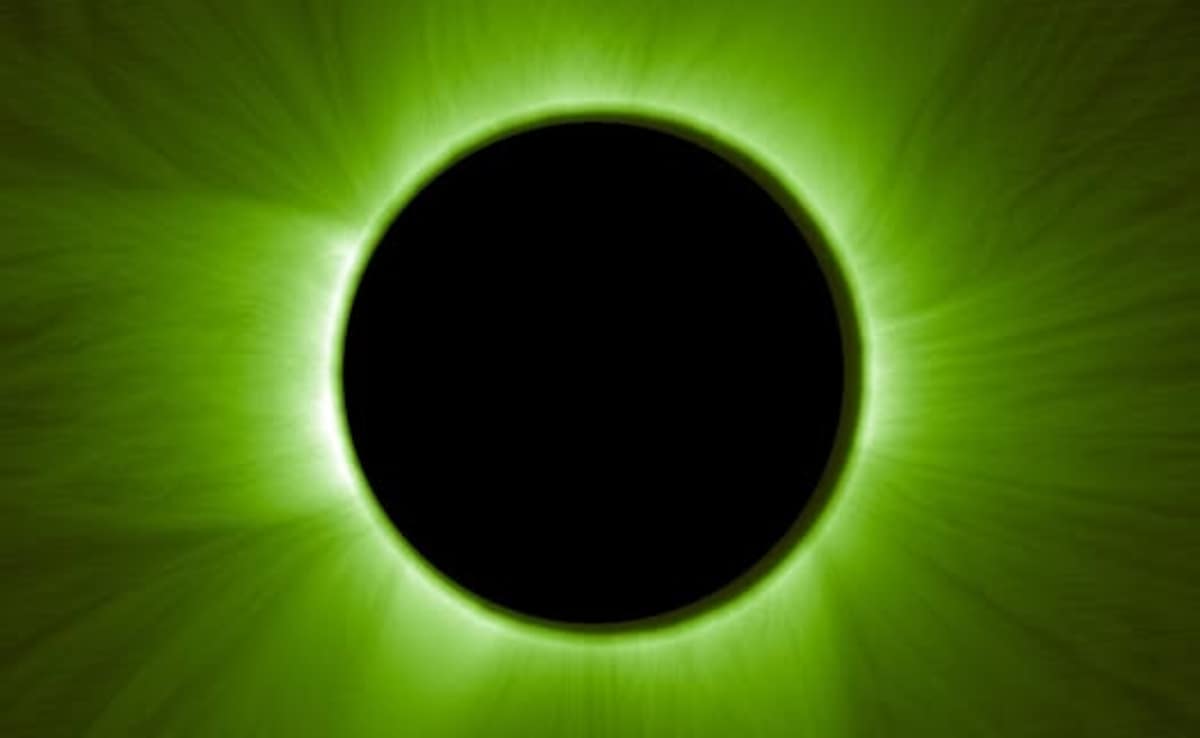
Scientists have built a way to study the sun's corona without waiting for a natural eclipse.
They launched two satellites that fly in a line.
One blocks the sun like the moon, while the other takes pictures of the sun's outer layer, called the corona.
This lets scientists watch the corona for hours at a time, which is not possible during a regular eclipse that only lasts for a few minutes.
Scientists are excited about the new technology that allows them to learn more about the sun and how it affects things on Earth.

European satellites have created the first artificial solar eclipses.
The Proba-3 mission involves two satellites flying in precise formation.
One satellite blocks the sun while the other observes the corona.
The mission has generated successful solar eclipses since March.
Scientists anticipate extensive observation of the sun's corona.
- Who
- A pair of European satellites.
- What
- European satellites created the first artificial solar eclipses.
- Where
- Tens of thousands of miles above Earth.
- When
- Since March, with scientific observations beginning in July.
- Why
- To provide scientists with prolonged observation of the sun's corona.
Key facts
- Mission Name
- Proba-3
- Cost
- $210 million
- Satellite Separation
- 492 feet (150 meters)
- Eclipse Duration Goal
- Six hours
- Eclipses per Week (anticipated)
- Two