

Archive · 23 Jul 2026
Saudi Tanker Diversions May Raise India's Oil Bill
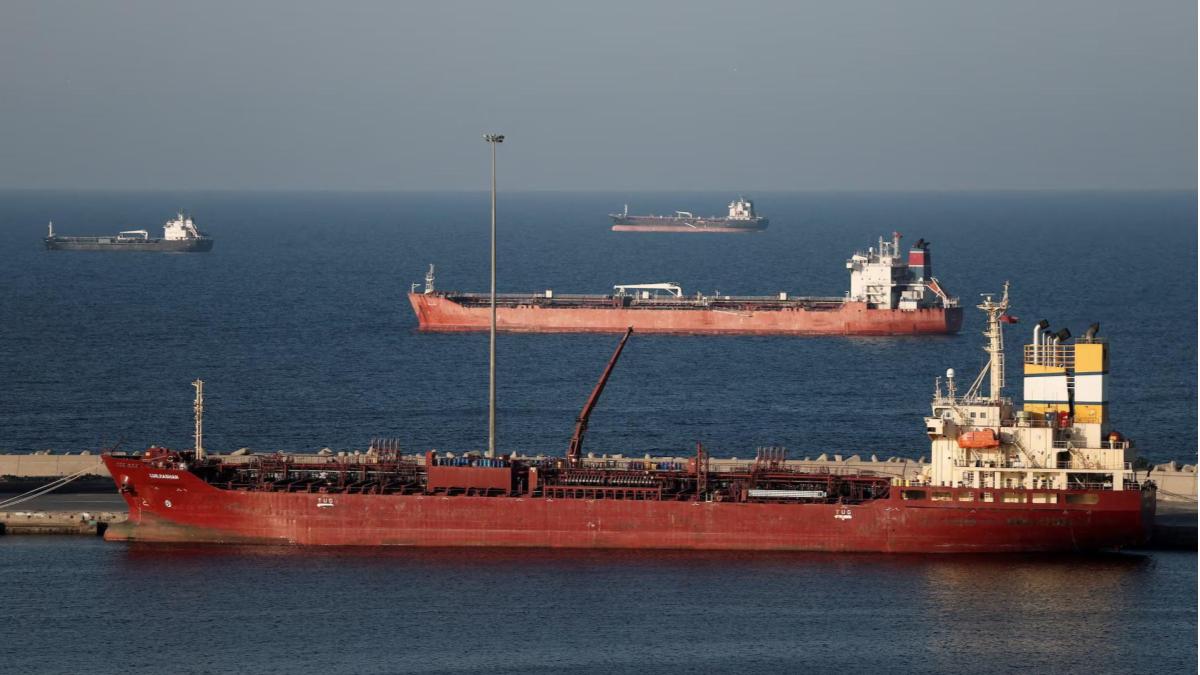
India might have to spend an extra $8-10 billion on oil imports if Saudi tankers avoid the Red Sea due to Houthi threats.
This is because the tankers would have to take a longer route, which would increase the cost of transporting oil.
Additionally, insurance and security costs are also going up.
This could make oil more expensive for India, and it might also affect the price of fertilizers.
Experts say that if the situation continues, the price of oil could go up even more.

India's annual crude import bill could rise by $8-10 billion due to Saudi tanker diversions.
Two Saudi oil tankers have altered their routes due to Houthi threats in the Red Sea.
Rerouting around the Cape of Good Hope could add 10-15 days and $0.75-2 per barrel to transport costs.
War-risk insurance premiums have surged to around 5% of vessel value.
Sustained disruptions could push Brent prices above $100 per barrel.
Higher prices and logistics expenses could add up to $2 billion to India's monthly crude expenditure.
- Who
- India, Saudi Arabia, Houthi rebels
- What
- Diversion of Saudi oil tankers due to Houthi threats
- When
- July 20
- Where
- Red Sea, Gulf of Aden, Strait of Hormuz
- Why
- Houthi threats against Saudi-linked shipping
Supply Chain Disruptions
Economic Impact
Route Diversions
Supply Chain Disruptions
Tankers are rerouting due to Houthi threats, causing delays and increased costs.
Economic Impact
The economic impact includes higher freight, insurance, and security costs.
- Potential Increase in Annual Crude Import Bill
- $8-10 billion
- Percentage of India's Crude Imports from West Asia
- 40-45%
- Additional Days for Rerouting Around Cape of Good Hope
- 10-15 days
- Additional Cost per Barrel Due to Rerouting
- $0.75-2
- War-Risk Insurance Premiums for Hormuz Transits
- 5% of vessel value
- Potential Increase in Brent Price Due to Disruptions
- Above $100 per barrel
- Percentage of India's Crude Supplied by Russia in June
- 50%
- Potential Additional Monthly Crude Expenditure Due to Higher Prices and Logistics
- $2 billion