

Archive · 2 Oct 2026
From Giraffes to Pandas: The Long History of Animal Diplomacy
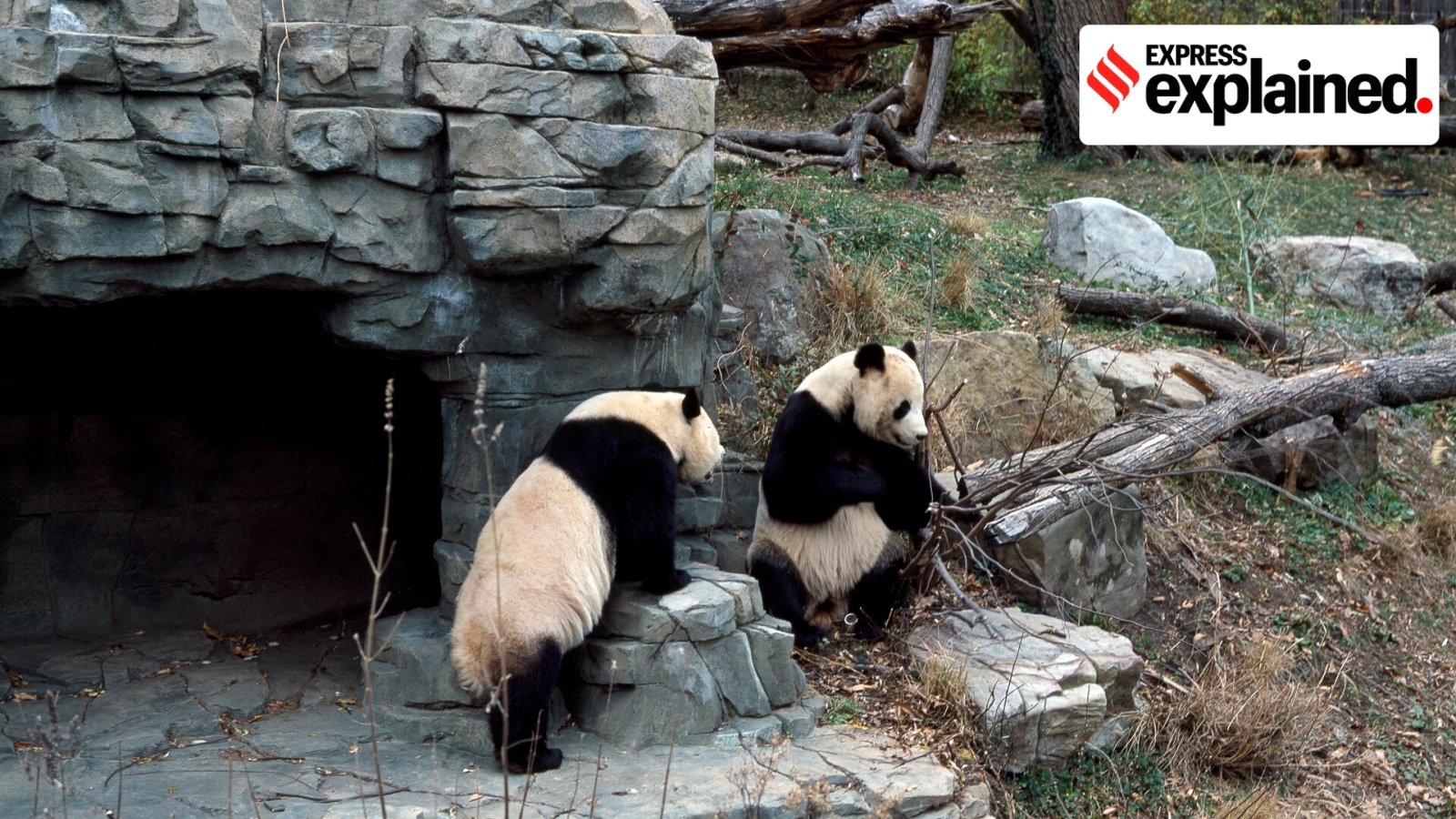
Countries have sometimes used animals to build friendly relationships with one another.
Long ago, rulers exchanged unusual animals such as giraffes, elephants, and rhinoceroses.
China became especially known for sending pandas as symbols of friendship.
The United States is expecting two pandas on lease for Atlanta Zoo after a recent meeting between Donald Trump and Xi Jinping.
India has also exchanged or received animals, including elephants and cheetahs.
These animals can make people feel connected to another country.
However, moving rare animals can harm them and may threaten conservation.
International rules now regulate many animal transfers.
Countries increasingly use loans, conservation programs, or sponsorships instead of giving animals away permanently.

Animal diplomacy uses animals as gifts, loans, or symbols in international relations.
Historical examples include giraffes, elephants, rhinoceroses, polar bears, falcons, koalas, and pandas.
China’s planned lease of two giant pandas to Atlanta Zoo recalls its 1972 panda diplomacy with the United States.
India has used elephants, cheetahs, peacocks, and other animals in diplomatic exchanges and conservation initiatives.
Conservation concerns helped shift diplomacy from permanent gifts toward regulated loans and sponsorships under frameworks such as CITES.
- Who
- Governments and rulers including China, the United States, India, and other countries involved in animal exchanges.
- What
- The history and symbolism of using animals as diplomatic gifts, loans, and conservation partnerships.
- When
- From ancient times through the planned panda lease announced after a recent United States-China meeting; CITES took effect on July 1, 1975.
- Where
- Animal diplomacy has taken place across Africa, Asia, Europe, the Americas, and at zoos and international institutions worldwide.
- Why
- To demonstrate goodwill, project national identity and soft power, strengthen relationships, and sometimes support conservation.
Diplomatic and Conservation Benefits
Animal-Welfare and Conservation Concerns
Diplomatic value
Diplomatic and Conservation Benefits
Animal exchanges create relatable symbols of friendship, project soft power, and can engage the public more directly than formal diplomacy.
Animal-Welfare and Conservation Concerns
Reducing foreign policy to appealing animals can obscure complex political relationships and places living creatures in service of state goals.
Conservation models
Diplomatic and Conservation Benefits
Leased pandas and conservation partnerships can fund protected areas, scientific facilities, and species preservation.
Animal-Welfare and Conservation Concerns
Rare animals may suffer in foreign habitats, and international transfers can encourage exploitation, illegal trade, or poor treatment.
Orangutan diplomacy
Diplomatic and Conservation Benefits
Malaysia initially presented orangutan transfers as a way to demonstrate commitment to sustainable palm oil and forest protection.
Animal-Welfare and Conservation Concerns
Conservation groups argued that palm-oil plantation expansion destroys orangutan habitat; Malaysia consequently adopted a sponsorship model instead of overseas gifting.
- Planned panda arrival
- China is leasing two giant pandas to Atlanta Zoo.
- 1972 precedent
- China sent Ling-Ling and Hsing-Hsing to the United States after Richard Nixon’s 1972 visit to China.
- Ancient example
- Harun al-Rashid gave an elephant named Abul-Abbas to Charlemagne in 802 CE.
- Indian example
- Malindi envoys brought a giraffe through Bengal to Admiral Zheng He in 1414.
- Conservation treaty
- CITES was adopted in 1973 and entered into force on July 1, 1975.
- Panda lease cost
- China’s official conservation fee can range from $500,000 to $1 million per pair annually.
- Malaysia’s orangutan policy
- After criticism of its 2024 gifting proposal, Malaysia shifted toward sponsorship of in-situ orangutan conservation.