

Archive · 17 Jan 2026
Australian Novels Explore Climate-Changed Futures
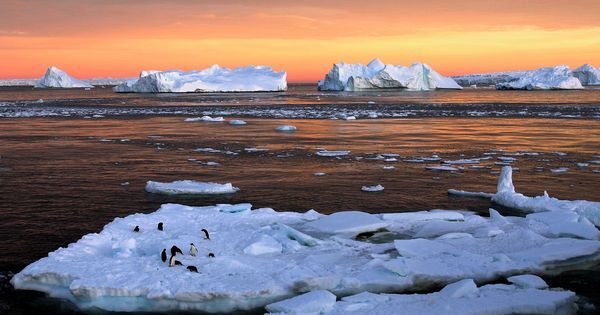
Two new books from Australia imagine what life might be like in a future affected by climate change.
Bri Lee's 'Seed' is about a biologist in Antarctica who doesn't want to have children because he thinks it's bad for the planet.
Rose Michael's 'Else' is about a mother and daughter who are trying to survive in a changing world.
Both books ask big questions about how we should take care of the planet and future generations.
'Seed' focuses on the idea of not having children, while 'Else' shows how a family can adapt and work together to survive.
The books also talk about how we should pay attention to nature and learn from it.
They don't give easy answers, but they help us think about how to live responsibly in a changing world.

Bri Lee's 'Seed' explores antinatalism in an Antarctic seed vault, focusing on a biologist's ethical dilemma.
Rose Michael's 'Else' follows a mother and daughter adapting to climate changes on Victoria’s Mornington Peninsula.
Both novels examine ethical questions about future generations and climate change.
'Seed' uses a thriller format to explore antinatalism and the ethics of preservation.
'Else' emphasizes ecological care and neurodivergent ways of adapting to climate change.
- Who
- Authors Bri Lee and Rose Michael
- What
- Two Australian novels exploring climate-changed futures
- When
- Published in 2024
- Where
- Seed set in Antarctica, Else set on Victoria’s Mornington Peninsula
- Why
- To explore ethical questions about future generations and climate change
- Authors
- Bri Lee (Seed), Rose Michael (Else)
- Settings
- Antarctica (Seed), Mornington Peninsula (Else)
- Themes
- Antinatalism, Survival, Climate Ethics
- Publication Year
- 2024
- Comparative Works
- Charlotte McConaghy’s Wild Dark Shore, Kim Stanley Robinson’s Antarctica
- Neurodivergence Focus
- Else (Rose Michael)
- Ethical Focus
- Antinatalism (Seed), Ecological Care (Else)