

Archive · 21 Sep 2025
Dhows: The Future of Trade, Culture and Climate
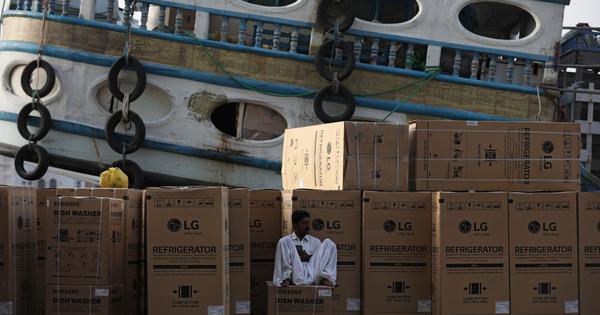
Imagine old wooden sailing boats called dhows, still sailing the seas!
A new book explains that these boats and their sailors are super important today.
They travel across the Indian Ocean, trading goods and connecting different cultures.
The book looks at how the sailors live and work, and how they deal with things like climate change and government rules.
It also shows how women on land play a big role by managing money and helping the sailors.
These dhows are like the 'Uber of shipping' – they go where they're needed, showing us how global trade really works and how sailors deal with challenges at sea and on land.

The book 'Moorings' explores the contemporary relevance of dhows and their role in the Indian Ocean.
Dhows connect regions like South Asia, East Africa, and the UAE, impacting trade, politics, and culture.
The research highlights the often-overlooked role of seafarers in shaping cross-cultural contact.
The study discusses how these vessels navigate a complex world of trade, sovereignty, and environmental changes.
Women's roles are crucial, as they manage finances and social networks that support seafarers.
- Who
- Nidhi Mahajan, author of 'Moorings'.
- What
- The interview discusses the significance of dhows in contemporary trade, culture, and climate change.
- When
- Research began in 2007 and the book was published recently.
- Where
- Primarily the Indian Ocean, including South Asia, East Africa, and the UAE.
- Why
- To understand the ongoing impact of dhows in modern economics, politics, and culture.
- Author
- Nidhi Mahajan
- Book Title
- Moorings: Voyages of Capital across the Indian Ocean
- Focus
- Dhow trade and its impact
- Geographical Focus
- Indian Ocean and surrounding regions
- Key Themes
- Globalization, labor, culture, and climate change
- Main Argument
- Dhow trade is a key indicator of contemporary globalization