Archive · 14 Sep 2025
Indian Interior Design: Monoculture Concerns & the Value of Context

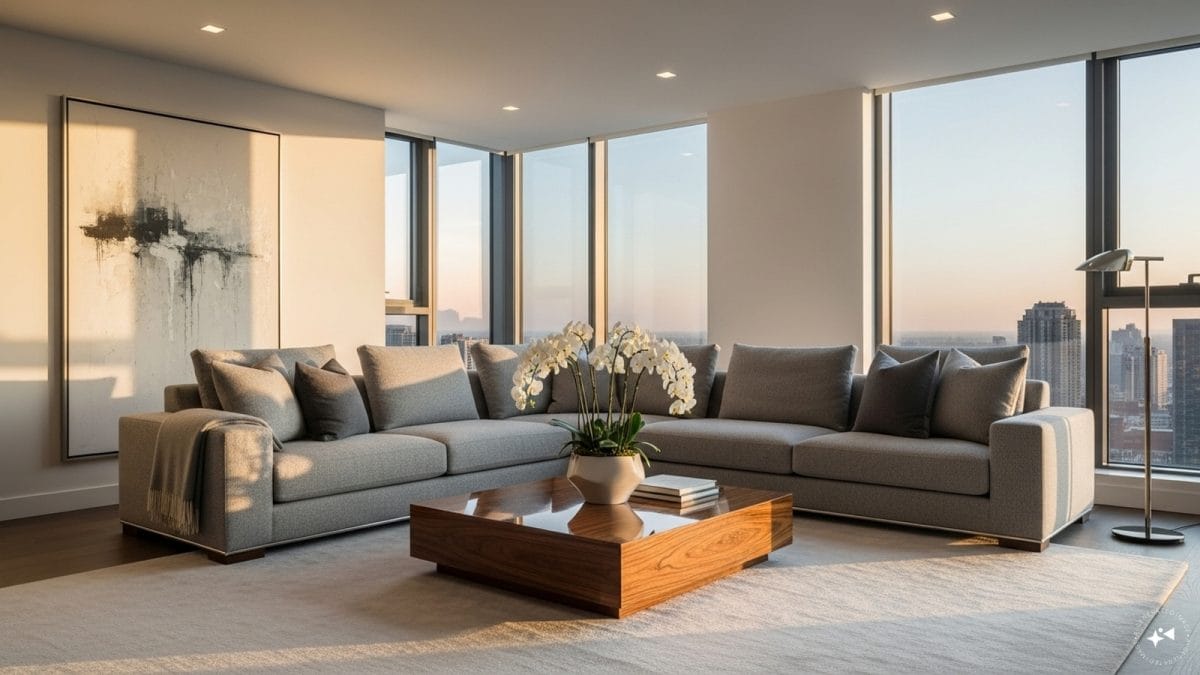
Imagine that many houses are starting to look the same.
This article talks about how Indian interior design might be doing that.
The writer worries that designers are more interested in showing off than creating homes that really fit the people living in them.
She suggests homes should reflect people's interests and stories, instead of just following trends.
The author believes that the best homes are those that truly represent the people living in them.

The author expresses concern about the lack of unique voices in Indian interior design.
Many homes are becoming similar, resembling each other.
Designers are often prioritizing self-promotion over client's personal stories.
Clients are changing the design of their homes frequently.
The best design embraces client context.
- Who
- Indian interior designers and their clients.
- What
- The potential homogenization of Indian interior design.
- When
- Not explicitly stated.
- Where
- India, with examples from Mumbai.
- Why
- To critique the current trends in interior design.
Current Interior Design Practices
Alternative Design Philosophy
Focus
Current Interior Design Practices
Designers prioritize self-promotion.
Alternative Design Philosophy
Embrace client's history and context.
Resulting Homes
Current Interior Design Practices
Lack individuality, resembling a 'monoculture'.
Alternative Design Philosophy
Homes should reflect the client and their lives, with unique character.
Client Satisfaction
Current Interior Design Practices
Clients quickly tire of the designed spaces.
Alternative Design Philosophy
Homes should evolve, not be replaced, reflecting changing tastes.
- Author
- Manju Sara Rajan
- Main Concern
- Homogenization of Indian interior design
- Issue
- Homes lack unique voices and stories
- Problem
- Designers prioritize self-promotion over client context
- Solution
- Embrace client's history, interests, and place