Archive · 6 Jan 2026
Zomato's Gig Model Sparks Debate
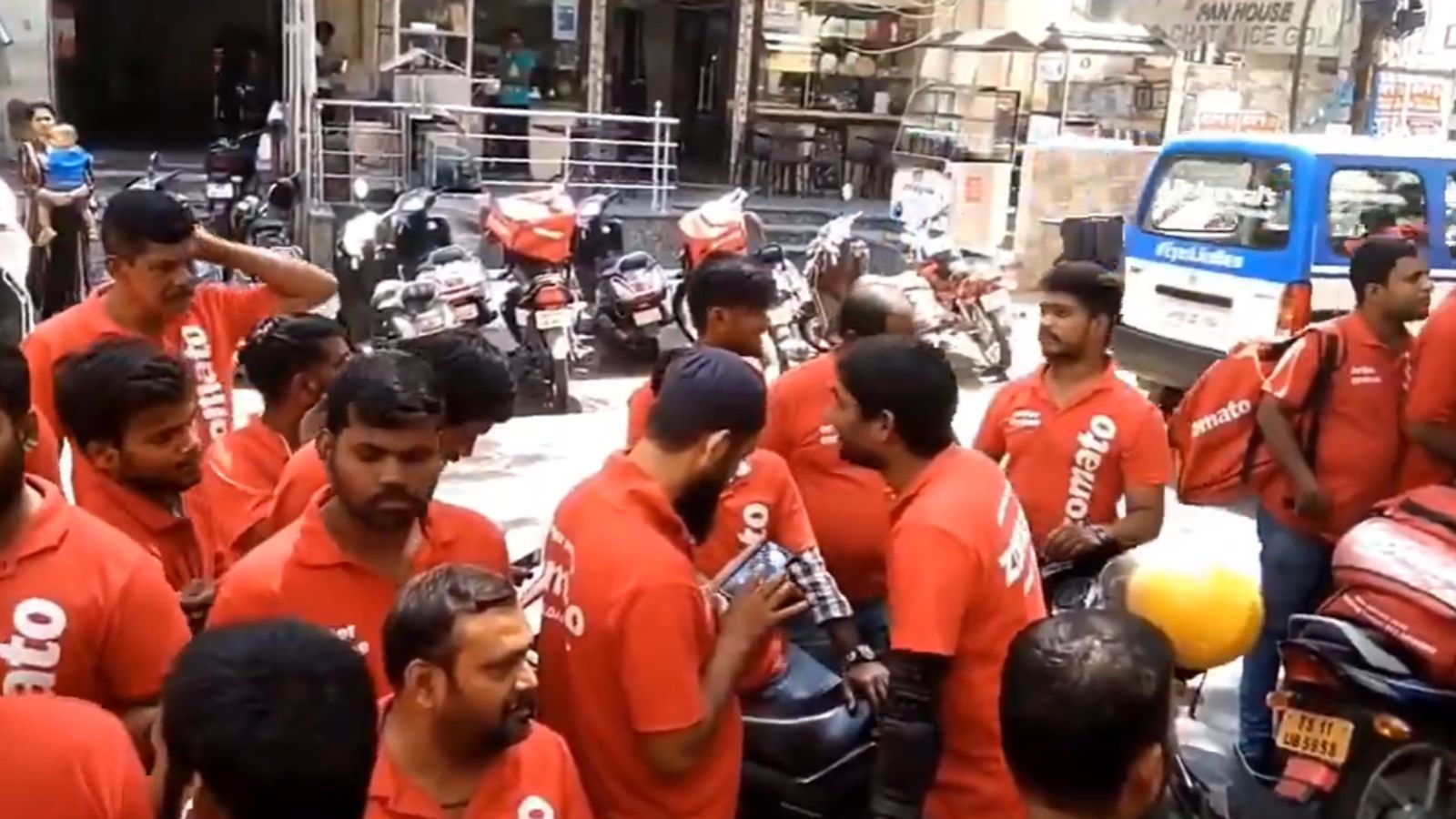
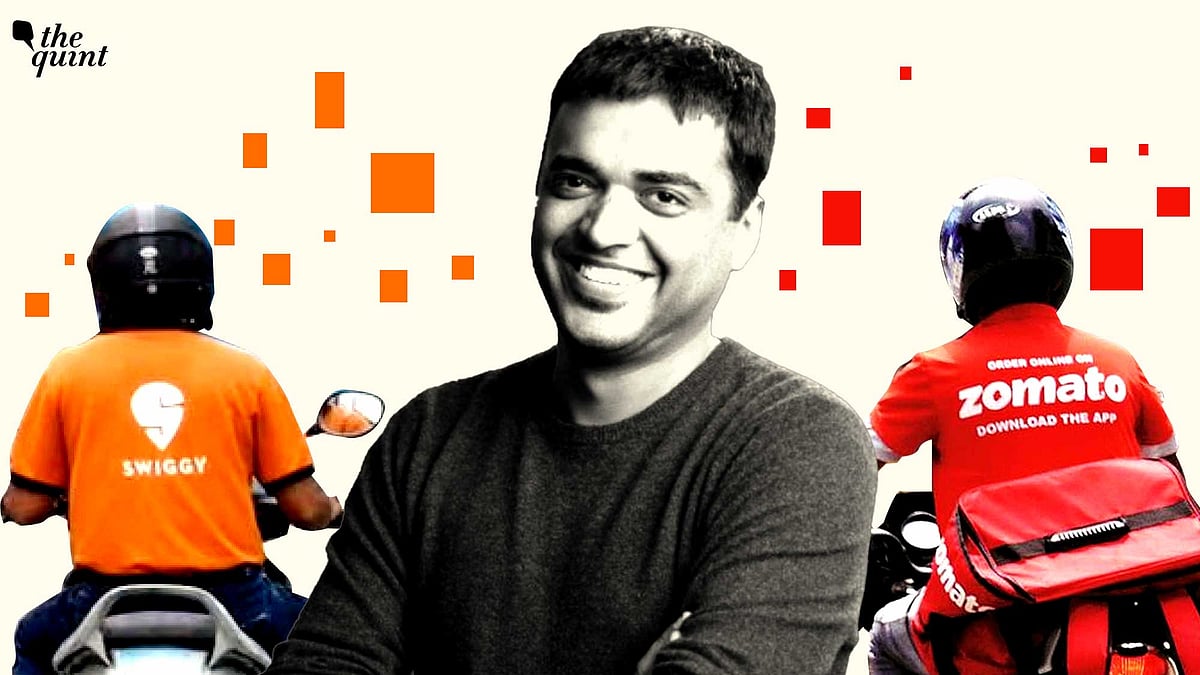
Zomato, a food delivery company, fires about 5,000 delivery agents every month.
They use a system called 'karma score' to decide who stays and who goes.
The CEO, Deepinder Goyal, says this helps keep things fair, but some people disagree.
They think the system is not fair and that workers are treated badly.
Some workers, like Suraj Biswas, say the gig model gave them independence and helped them pay for college.
Others argue that the gig model should be regulated to provide better job security and benefits.
The company says workers choose to work flexible hours, but critics say it's because there aren't enough good jobs.
The article also talks about how this system makes it hard for workers to stand up for their rights.

Zomato fires nearly 5,000 delivery agents monthly to manage disputes.
The company uses a 'karma score' system to evaluate both customers and riders.
CEO Deepinder Goyal claims the gig model offers flexibility and choice.
Critics argue the system exploits workers and hides structural issues.
Supporters like Suraj Biswas highlight economic mobility and flexibility provided by the gig model.
- Who
- Zomato, its delivery agents, and supporters like Suraj Biswas
- What
- Zomato's gig model and its impact on delivery agents
- When
- Ongoing
- Where
- India
- Why
- To manage disputes, maintain system efficiency, and provide flexible work opportunities
Pro-Gig Model
Critics of Gig Model
Economic Mobility
Pro-Gig Model
Zomato's gig model provides economic mobility and flexibility, allowing workers to earn independently and support themselves.
Critics of Gig Model
The gig model exploits workers by offering unstable income and no job security, hiding structural issues in the labor market.
Flexibility vs. Full-Time Work
Pro-Gig Model
Most delivery partners work part-time and prefer the flexibility of gig work over full-time employment.
Critics of Gig Model
Full-time employment with benefits and job security is preferable, and the gig model should be regulated to provide these.
System Design and Efficiency
Pro-Gig Model
The gig model allows for efficient scaling of the workforce to meet demand fluctuations without incurring idle costs.
Critics of Gig Model
The gig model shifts labor costs to workers, making it a cost-effective solution for companies at the expense of workers' well-being.
- Company
- Zomato
- CEO
- Deepinder Goyal
- System Used
- Karma Score
- Workers Affected
- 5,000 monthly
- Gig Economy Issue
- Labor Fragmentation
- Strike Outcome
- Disputed by Unions
- Author
- Assistant Professor, Jindal Global Law School
- Supporter
- Suraj Biswas, CEO of Assessli
- Monthly Earnings
- Rs 40,000 - Rs 90,000
- Medical Insurance
- Provided by Zomato
Sources
Deepinder Goyal Explains Why Zomato Fires Nearly 5,000 Delivery Agents Every Month
The gig economy is designed to fragment labour, absorb disruption and sustain extraction
‘Scale doesn’t excuse shifting all risk to workers’: Hidden power gap in India’s gig economy
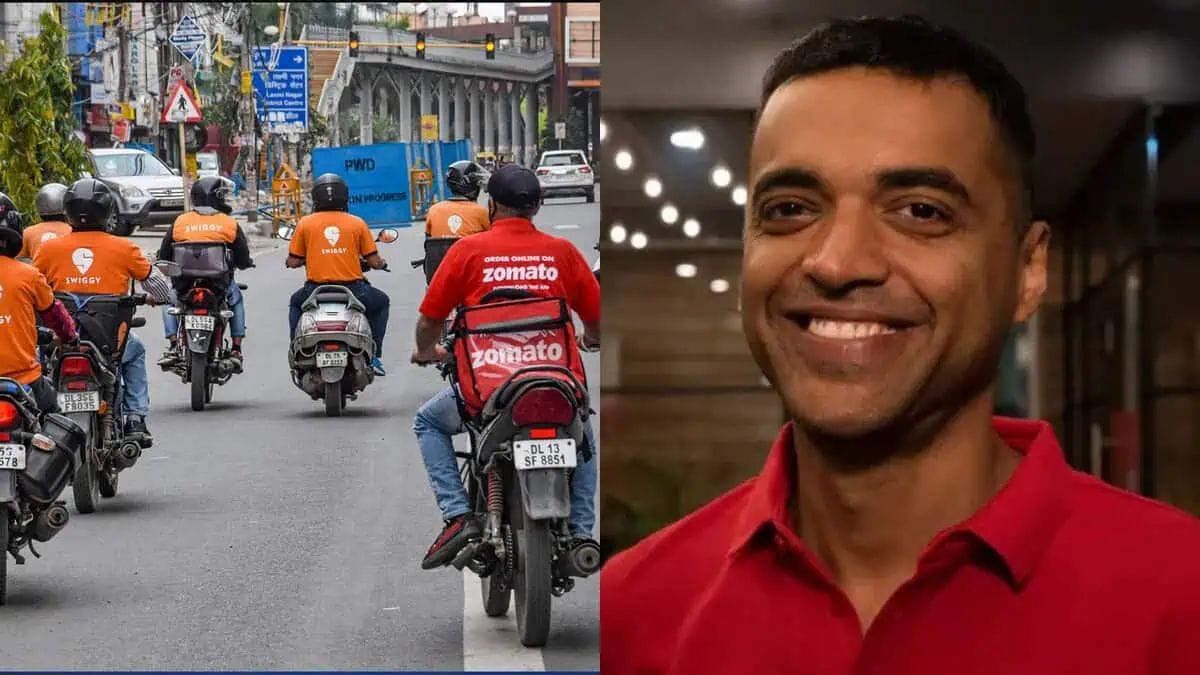
Zomato’s gig economy lives in the grey
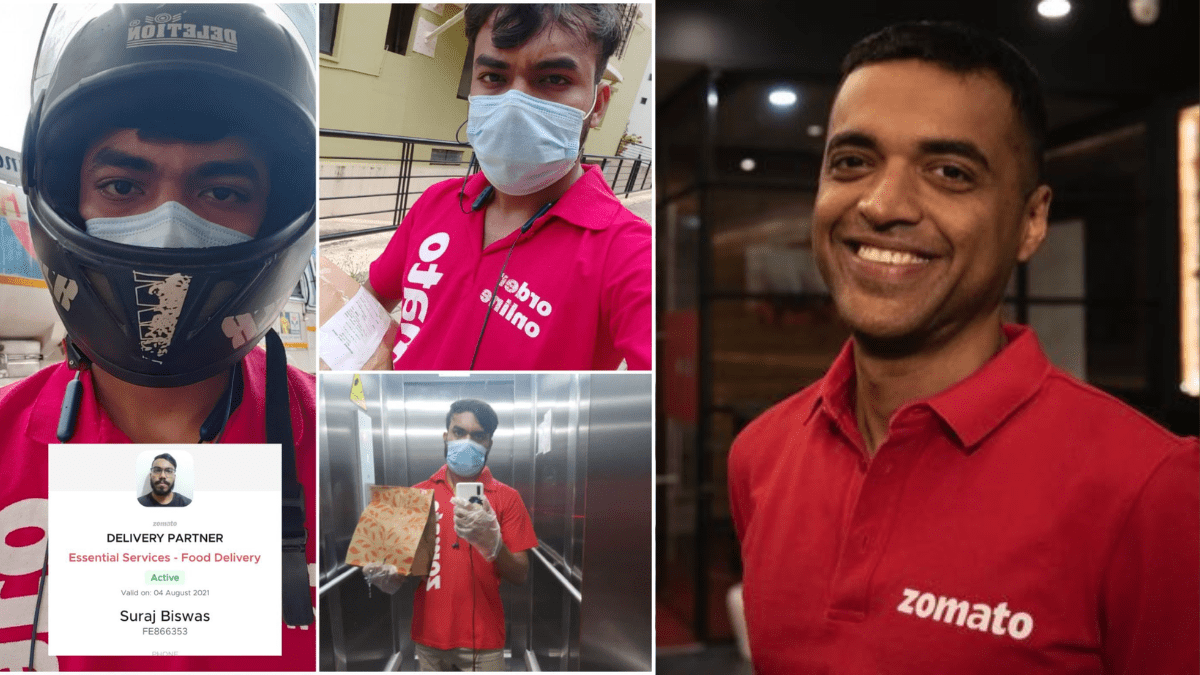
‘Zomato delivered economic mobility at scale’: Ex-delivery partner, now CEO, stands with Deepinder Goyal
‘Startups can’t be built with 9-5 mindset’: Zomato’s Deepinder Goyal on work-life balance debate, ‘demanding’ boss tag
‘Zomato did 3% operating profit margins’: Why Deepinder Goyal isn’t just building a food delivery app
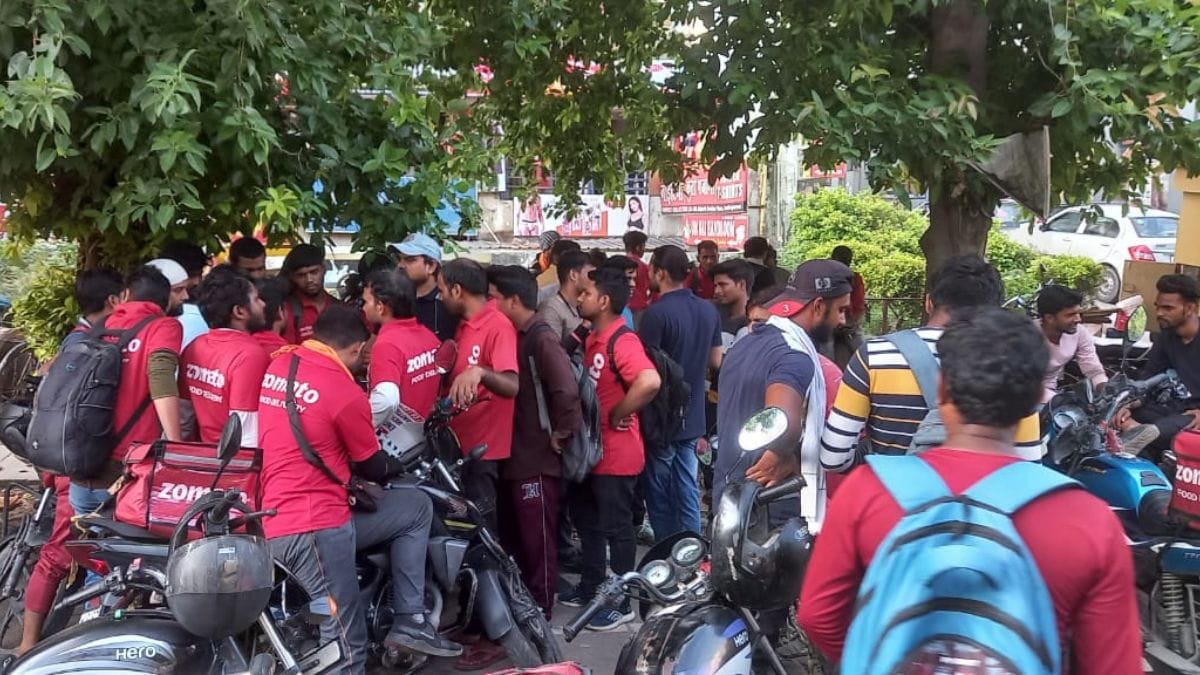
Tipping cannot replace fair pay for India’s delivery gig workers. It’s only moral comfort