

2 weeks ago
Russia’s Banks Face Liquidity Strain as Withdrawals Surge
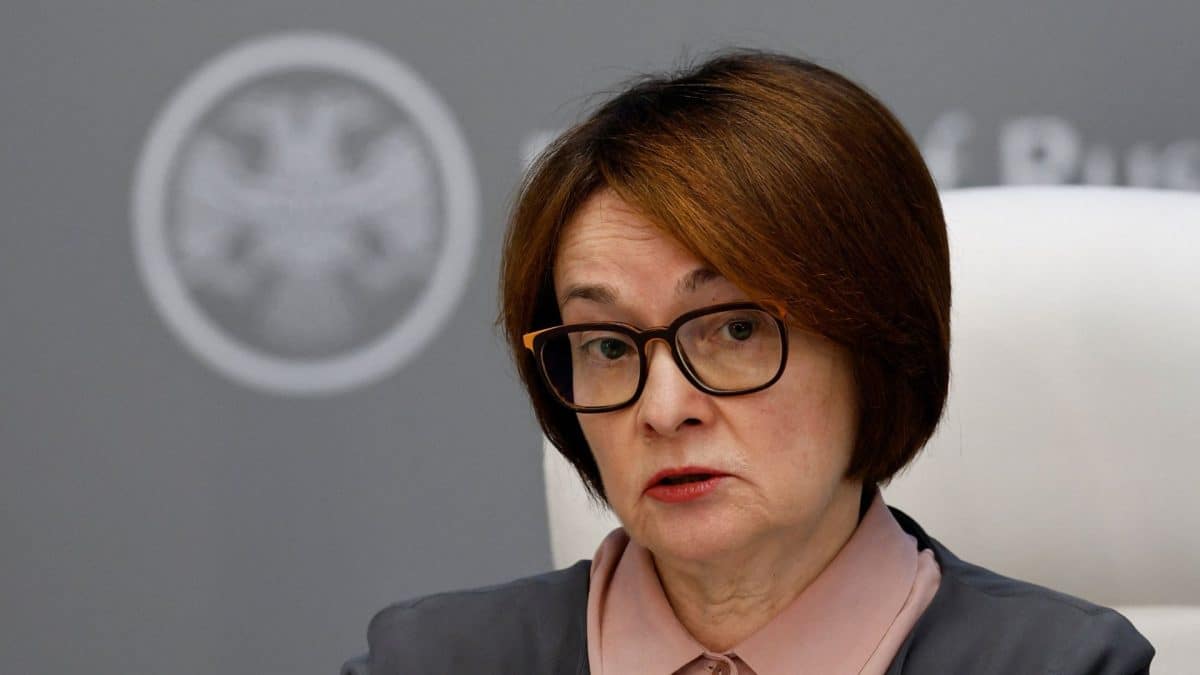
Many people and businesses in Russia are taking money out of their bank accounts.
They are worried about drone attacks, fuel shortages and computer or phone-network outages.
Cash can still be used when card machines and mobile banking stop working.
Some people also fear that the government could restrict or take control of their savings, although officials deny that this is planned.
The article says more than $32 billion was withdrawn during 2026.
Banks may have difficulty returning money quickly because some deposits were used for long-term loans.
Less money in banks could also make it harder for the government to sell bonds.
The situation is described as a growing liquidity problem, but the article does not report a confirmed banking-system collapse.

Russian depositors withdrew 286.4 billion roubles, or about $3.4 billion, during the first two weeks of August 2026.
The article reports that more than $32 billion left Russia’s formal banking system during 2026, including $9.4 billion transferred offshore in the second quarter.
Fuel shortages, drone attacks, infrastructure disruptions and mobile-network outages are cited as reasons people are holding more physical cash.
Businesses are reportedly moving reserves offshore amid sanctions, supply-chain problems and concerns about possible government seizures or forced conversion of deposits.
The withdrawals could constrain banks’ ability to finance government debt and military-linked lending, although Russian officials reportedly deny plans to nationalize deposits.
- Who
- Russian households, businesses, commercial banks and the Central Bank of Russia are involved; Ukrainian forces are cited as carrying out the attacks driving some of the concern.
- What
- Large withdrawals from Russian commercial banks are creating a reported liquidity squeeze and complicating wartime government financing.
- Where
- Across Russia, with reported effects in regions including areas around Moscow, Leningrad, Tatarstan and Voronezh.
- When
- The reported withdrawals occurred during 2026, including 286.4 billion roubles in the first two weeks of August; State Duma elections are scheduled for September 18–20.
- Why
- The article attributes the withdrawals to drone attacks, fuel and infrastructure disruptions, network outages, fears of asset seizures and possible post-election mobilization.
Official Reassurance
Crisis Concerns
Deposit security
Official Reassurance
Central bank officials reportedly insist that nationalizing deposits is not being considered.
Crisis Concerns
The article says households fear forced conversion of deposits into war bonds, withdrawal limits or other restrictions.
Extent of the banking problem
Official Reassurance
The reported withdrawals have not been presented as a confirmed collapse of Russia’s banking system.
Crisis Concerns
The article describes a severe liquidity squeeze because banks may have placed short-term deposits into long-term loans.
Government financing
Official Reassurance
High interest rates and state-backed banks are intended to keep savings in the banking system and support government borrowing.
Crisis Concerns
The article says falling deposits have reduced banks’ capacity to buy Federal Loan Bonds and reportedly contributed to canceled auctions.
Key facts
- August withdrawals
- 286.4 billion roubles, approximately $3.4 billion, during the first two weeks of August 2026.
- 2026 withdrawals
- More than $32 billion, or about 2.5 trillion roubles, reportedly left the formal banking system from January 1 onward.
- July withdrawals
- Approximately $7.3 billion was reportedly withdrawn, the highest monthly total cited for 2026.
- Second-quarter capital outflows
- More than $9.4 billion was reportedly transferred out of Russia or into offshore accounts.
- Reported comparison
- About $23 billion reportedly left Russia’s banking system within two weeks after the February 2022 invasion began.
- Main banks mentioned
- Sberbank, VTB, Gazprombank and Promsvyazbank are described as major state-owned lenders involved in defense-related lending.
- Election dates
- The State Duma elections are scheduled for September 18–20, according to the article.
Sources
Related news
Russia Considers Extending Diesel Export Ban as Refineries Struggle
Ukrainian Drone Attack Sparks Fire at Russian Oil Port of Ust-Luga
Western Officials Say Russia’s Ukraine War Losses Exceed Recruitment

Drone Strike Sparks Russian Refinery Fire as Moscow Threatens Retaliation
Ukrainian Drones Kill Civilians, Hit Ozon Warehouse, Industrial Sites

Brent Crude Could Reach $120 Amid Middle East Truce Uncertainty

Ukraine Prosecutor General Resigns Amid Intensifying Anti-Corruption Crackdown

Belgium Detains Chinese-Belgian Man in Semiconductor Espionage Case
Zelenskiy Says U.S. Envoys Offer Ideas, But No Breakthrough
Russian Offensive in Donetsk Tests Ukraine’s New Military Command
