1 week ago
Experts Downplay Investor Fears Over Mauritius Tax Protocol

Mauritius and India have updated their tax agreement.
The update adds a rule called the Principal Purpose Test.
This rule can deny a tax benefit if getting that benefit was one of the main reasons for a transaction.
Some investors worry that Indian tax officials will gain very broad powers.
Tax experts say the rule does not create completely new powers because similar challenges were already possible under GAAR.
They say the main change is that challenges can now be made directly under the tax treaty.
Investors can still appeal decisions and may use a process involving both countries’ tax authorities.
The rule applies going forward, while certain older investments remain protected.

Mauritius’s Cabinet ratified a 2024 protocol amending its tax treaty with India.
The protocol introduces a Principal Purpose Test to counter treaty shopping and other treaty-abuse practices.
Experts say the measure provides a treaty-based scrutiny route rather than new or blanket anti-abuse powers.
Investors may still face uncertainty because the test examines the purposes and facts behind each transaction.
The Central Board of Direct Taxes said the measure is prospective and preserves grandfathering for investments made before April 1, 2017.
- Who
- Mauritius, India, investors using Mauritius-based structures, and tax authorities; experts Manish Garg and Maadhav Poddar commented on the changes.
- What
- Mauritius ratified a 2024 protocol adding the Principal Purpose Test to its Double Taxation Avoidance Agreement with India.
- Where
- The measure concerns the tax treaty between Mauritius and India.
- When
- The protocol is from 2024; the Central Board of Direct Taxes said it applies prospectively, while investments made before April 1, 2017 remain grandfathered.
- Why
- It is intended to align the treaty with global Base Erosion and Profit Shifting standards and address treaty shopping.
Expert Reassurance
Investor Concerns
Extent of tax authority powers
Expert Reassurance
Experts say the Principal Purpose Test is an internationally accepted anti-abuse standard aimed mainly at treaty shopping, not a blanket power to deny benefits.
Investor Concerns
Investors are concerned that the test could allow Indian tax authorities to apply broader scrutiny to Mauritius-based investments.
Change in enforcement
Expert Reassurance
Experts say the main change is the route: treaty challenges can be raised directly under the protocol rather than only through the existing General Anti-Avoidance Rule process.
Investor Concerns
Investors may see the treaty-based route as an additional source of challenge and uncertainty, even if scrutiny was already possible under existing rules.
Impact on genuine investors
Expert Reassurance
Experts say genuine investors should not lose treaty benefits merely because they invested through Mauritius, and they retain appeal and mutual-agreement remedies.
Investor Concerns
The purpose-based and fact-intensive nature of the test could create uncertainty where tax considerations were part of the reason for choosing Mauritius.
Key facts
- Treaty
- India-Mauritius Double Taxation Avoidance Agreement, originally signed in April 1983.
- New provision
- The Principal Purpose Test allows treaty benefits to be denied when obtaining a tax benefit was one of the main purposes of a transaction.
- Policy objective
- Alignment with global Base Erosion and Profit Shifting anti-abuse provisions.
- Existing framework
- Experts said similar scrutiny was already possible through India’s General Anti-Avoidance Rule.
- Investor remedies
- Taxpayers retain appellate remedies before tribunals and courts and may access the Mutual Agreement Procedure.
- Grandfathering
- Investments made before April 1, 2017 are not disturbed, according to the Central Board of Direct Taxes.
- Recommended clarification
- Experts urged guidance for genuine funds, foreign portfolio investors, and holding structures.
Quotes
Maadhav Poddar
Tax partner at EY India
“Taxpayers retain the regular appellate remedies before tribunals and courts, and in cross-border cases can access the Mutual Agreement Procedure, through which the Indian and Mauritian authorities can jointly review a disputed determination.”
 financialexpress.com
“The Mauritius protocol should not be viewed as giving Indian tax authorities a blanket power to deny treaty benefits. The Principal Purpose Test is an internationally accepted BEPS anti-abuse standard, aimed primarily at treaty shopping.”
financialexpress.com
Sources
Related news

India Weighs Qualified MFN Rules in Bilateral Investment Treaty Overhaul

India Balances Tax Base Protection With Investor Certainty

India's Revamped Model BIT To Be Sent To Cabinet Soon

India Set to Revise BIT Framework to Attract Foreign Capital

Telangana, Mauritius Explore Cooperation in Technology, Tourism and Skills

India revising Model Bilateral Investment Treaty to speed investor disputes

Naidu Orders Speedy Construction of 5,000 Temples in Andhra Pradesh

UPI Accepted in 11 Countries, But Payments Vary
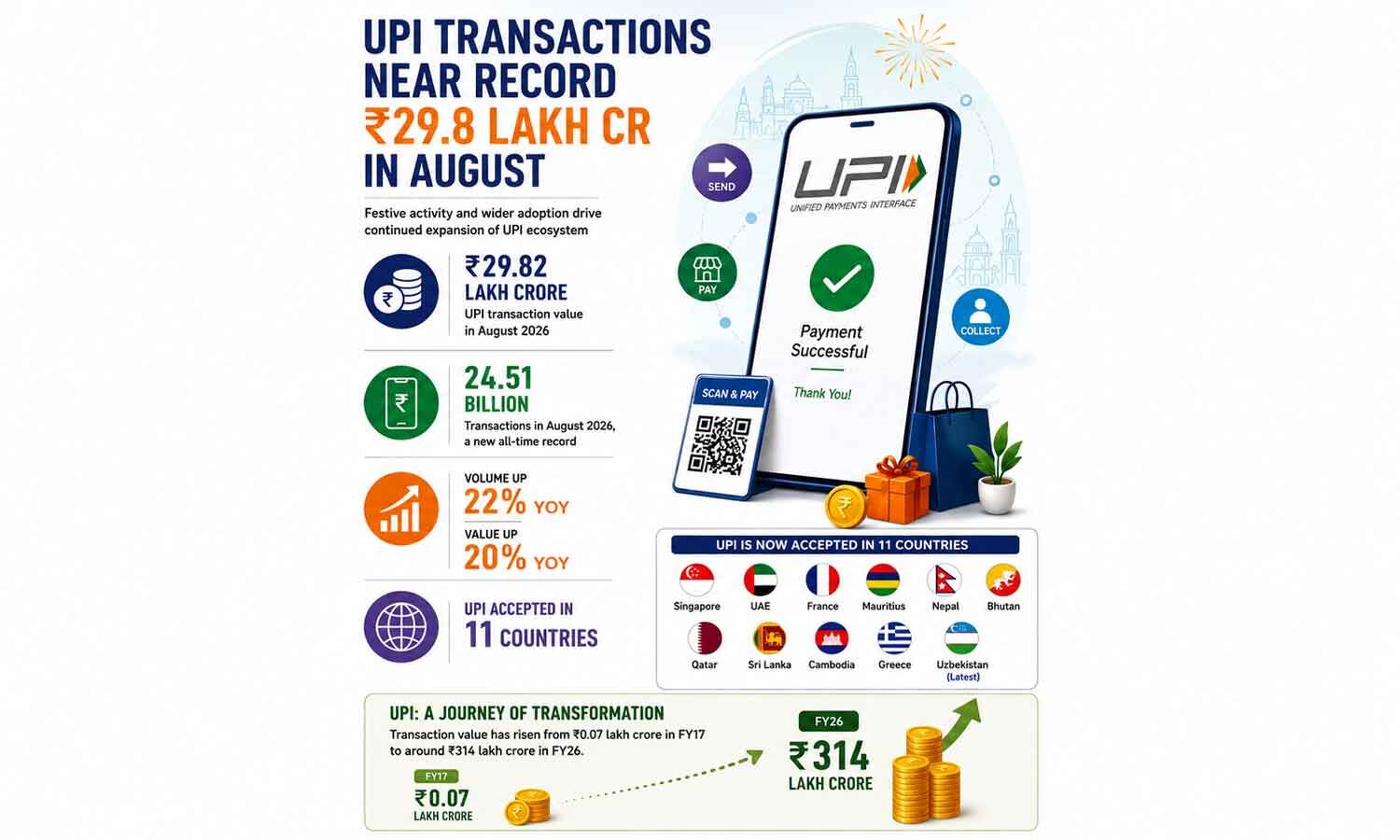
UPI Hits Record August Volume as Festive Demand Fuels Growth

India Probes Suspicious Outward Remittances Exceeding Rs 30,000 Crore