

Archive · 17 Nov 2025
India's Maternal Nutrition Crisis: Undernutrition, Anemia, and Diet Advice
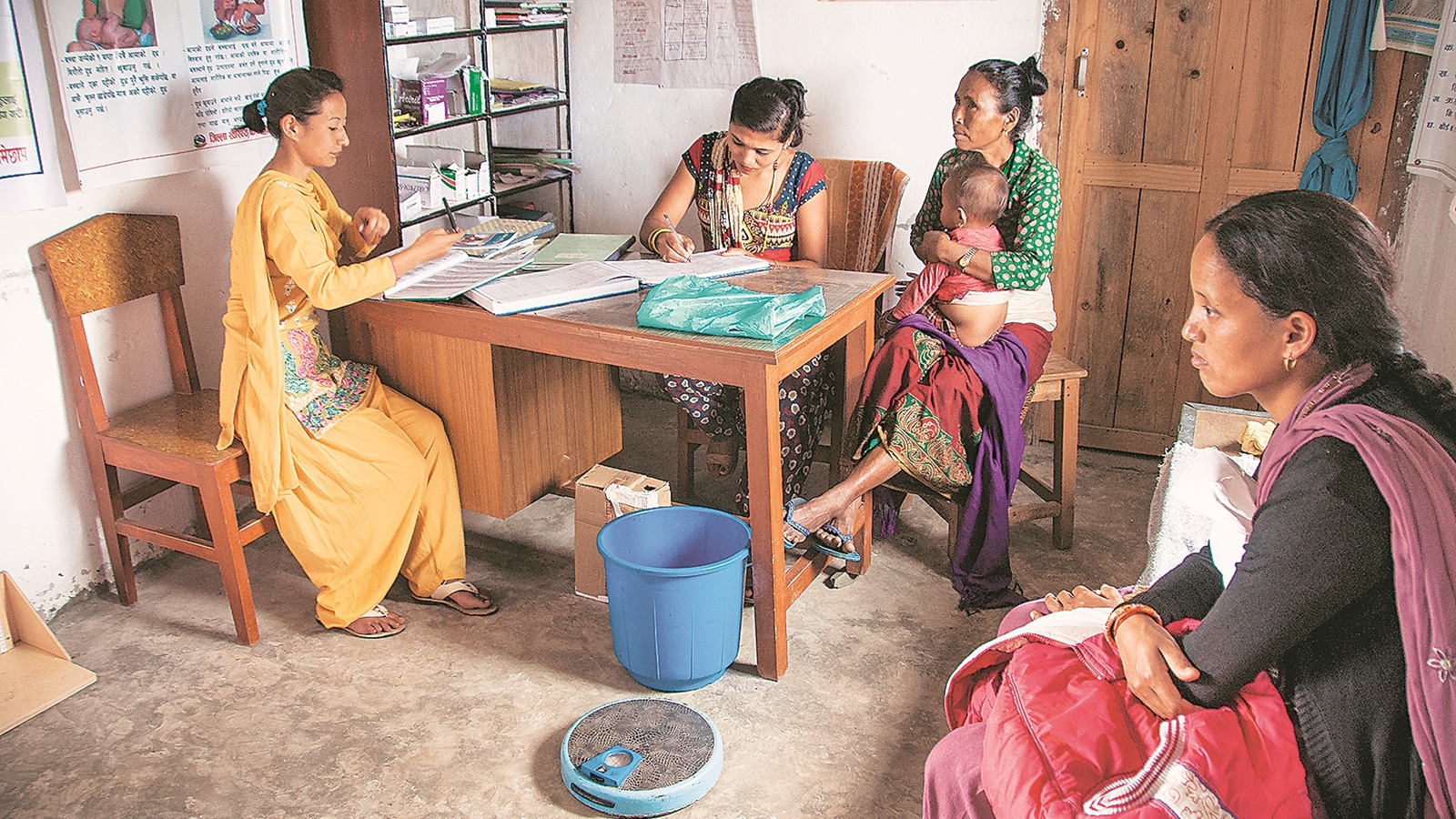
In India, many mothers don't eat enough healthy food, making them too skinny and tired because they lack important nutrients like iron.
This can make it harder for them to have healthy babies.
The babies might not grow as well and could have health problems later in life, like getting sick more easily or having trouble learning.
Even if mothers eat a lot, they might not get the right vitamins and minerals, which is called 'hidden hunger.'
To help, mothers need to eat a variety of foods like green vegetables, proteins, fruits, and grains.
It's also important for them to see a doctor early in pregnancy, take special pills like iron and folic acid, and make sure their bodies can absorb the iron well.
Families should help make sure mothers eat well, and doctors need to check for anemia and other issues before and during pregnancy.

Maternal undernutrition and anemia are significant public health issues in India, affecting a large percentage of women.
Poor nutrition during pregnancy can lead to serious risks for both mother and child, including infections, preterm births, and low birth weight.
A varied diet rich in vegetables, protein, fruits, and whole grains, along with supplements and early antenatal care, is recommended for pregnant women.
Gestational weight gain is crucial, with both too little and too much weight gain posing risks to mother and baby.
Addressing anemia requires more than just single-pill solutions, emphasizing screening, adherence to supplements, and considering causes beyond iron deficiency.
- Who
- Women of reproductive age in India, pregnant women and their children
- What
- Addresses the public health concerns of maternal undernutrition and anemia in India, detailing their causes, consequences, and potential solutions.
- When
- Current public health concern, with implications for pregnancy and long-term health.
- Where
- India
- Why
- Poor maternal nutrition before and during pregnancy affects fetal growth, leading to developmental and metabolic risks, perpetuating an intergenerational cycle of malnutrition and stunting.
- Prevalence of Underweight Women
- 18.7%
- Anemia Prevalence in Reproductive Age
- 57%
- Anemia Prevalence in Pregnancy
- Over 50%
- Common Micronutrient Deficiencies
- Iron, Folate, B12, Vitamin D, Iodine
- Key Dietary Recommendations
- Varied plate with green leafy vegetables, protein source, fruit, whole grains/millets
- Recommended Actions
- Early antenatal care, iron-folic acid & calcium supplements, deworming, C-rich foods with iron