

Archive · 2 Oct 2026
India's Old Cooling Ideas Face a Hotter Future
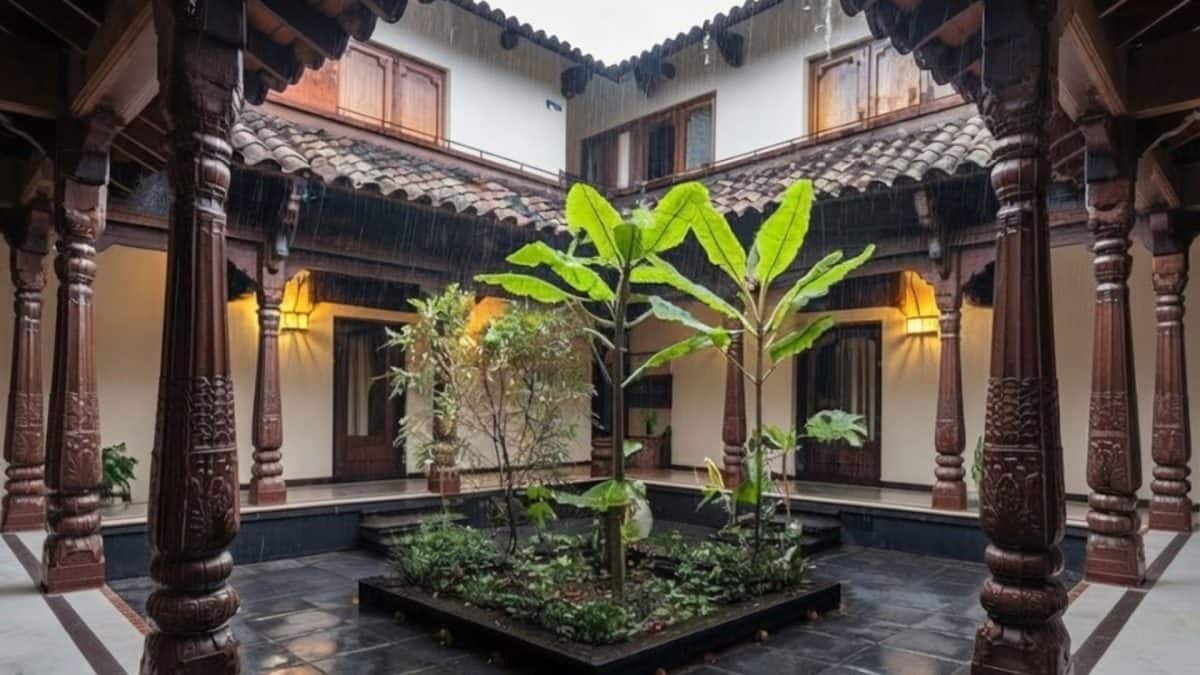
Many old Indian homes stayed cooler without using air conditioners all the time.
They used shade, thick walls, courtyards and windows placed to catch breezes.
Modern apartment buildings often have more glass, fewer balconies and sealed windows.
This can make them hotter and increase air-conditioner use.
India already uses a lot of electricity for cooling, even though fewer than one in five homes has an air conditioner.
Experts say new buildings should block heat and encourage airflow before relying on machines.
These features may cost more to build, but they can save electricity later.
The goal is not to remove air conditioners, but to make them work less often.

Fewer than 20% of Indian households have air conditioners, yet cooling accounted for about 60 GW of peak power demand in 2024.
The International Energy Agency expects cooling to add roughly 140 GW to India's peak power demand by 2030.
Architects say orientation, shading, ventilation and suitable building materials can reduce indoor heat and air-conditioner use.
Traditional features such as courtyards, verandahs, jaalis, thick walls and high ceilings can inspire passive cooling in modern housing.
Passive cooling may cost more initially, but it can lower electricity use, improve comfort and reduce long-term cooling expenses.
- Who
- Indian households, architects and building developers are involved in decisions about future cooling.
- What
- The article examines how passive architectural design can reduce India's growing reliance on air conditioners and electricity.
- When
- Cooling accounted for about 60 GW of peak demand in 2024, while demand is projected to reach about 140 GW by 2030.
- Where
- Across India, particularly in growing cities and high-rise housing.
- Why
- India's cooling demand is rising, creating pressure on the power system and increasing the need for buildings that limit heat gain.
- Air-conditioner ownership
- Below 20% of Indian households
- Cooling demand in 2024
- Around 60 GW of peak electricity demand in India
- Projected cooling demand by 2030
- Around 140 GW of peak power demand, according to the International Energy Agency
- India's peak power growth
- Up 68% between 2014 and 2024
- Potential temperature reduction
- Shading and daylight optimisation can lower indoor temperatures by around 2–5°C
- Potential cooling-demand reduction
- Insulated walls, high-performance glazing and calibrated façades can reduce demand by about 15–30%, depending on climate and building
- Key design measures
- Orientation, shading, ventilation and the building envelope