Archive · 3 Sep 2026
UN Report Says 1.5°C Breach Near, Return Still Possible
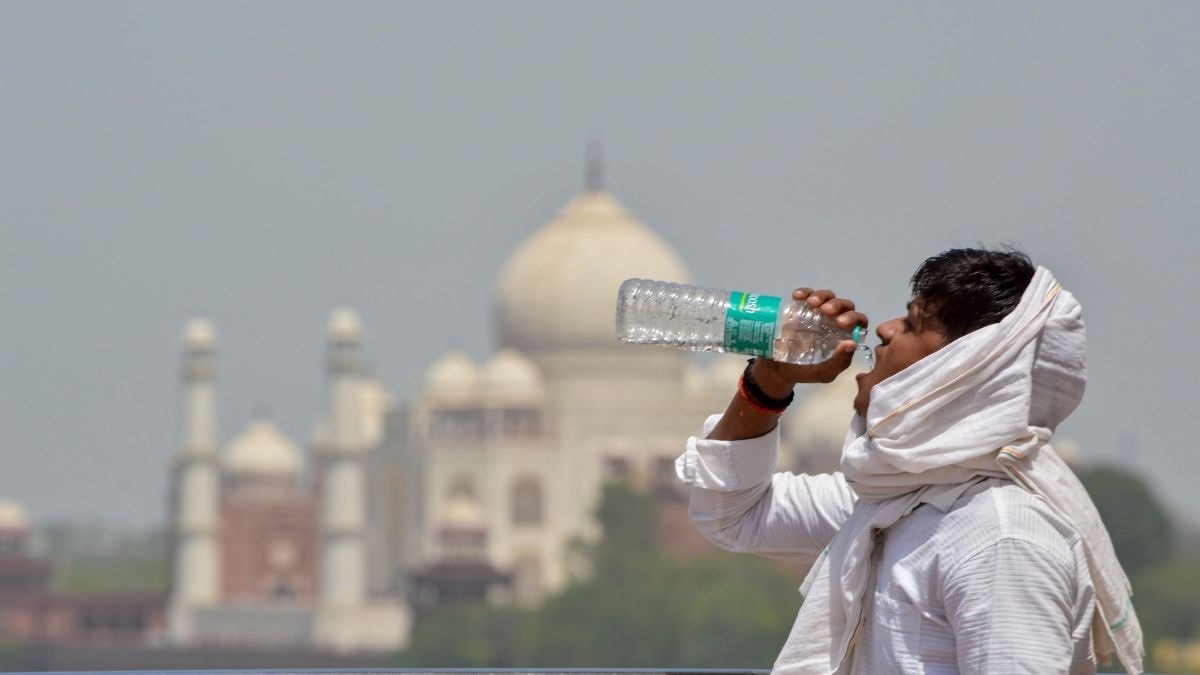
Earth is getting warmer because greenhouse gases trap heat in the atmosphere.
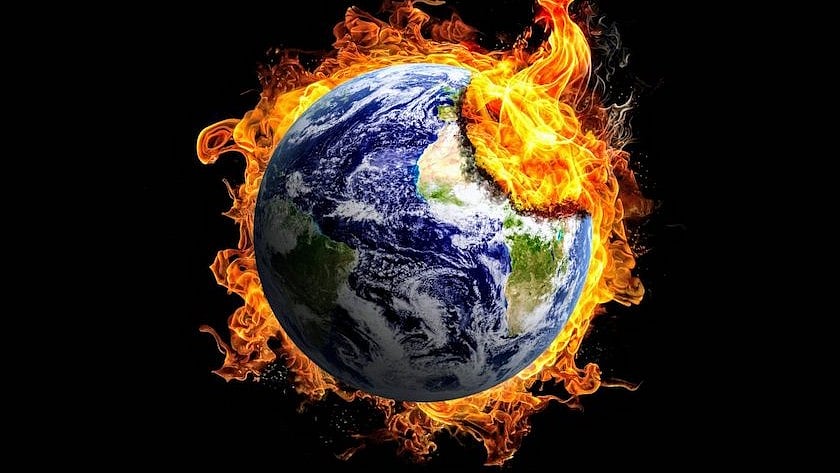
A UN report says the world will probably pass the 1.5°C warming goal within the next few years.
This goal comes from the Paris Agreement.
Passing it would not cause one sudden disaster, but higher temperatures would make many dangers worse.
These dangers include heatwaves, floods, rising seas, damage to nature, and problems with food and water.
Countries could still try to bring temperatures below 1.5°C later.
To do that, they would need to cut pollution quickly and remove large amounts of carbon dioxide from the air.
Planting trees can help, but trees alone would not be enough.
Some damage might remain even if temperatures eventually fall.

UNEP says the world will likely cross the 1.5°C warming threshold within the next few years.
Its proposed “overshoot, peak and decline” pathway would require rapid emissions cuts followed by carbon dioxide removal.
The most optimistic scenario reaches about 1.8°C, while current policies could produce about 2.6°C of warming by 2100.
Every additional fraction of warming and every year above 1.5°C would increase risks to people, ecosystems and economies.
Returning below 1.5°C would not erase all damage and would require adaptation, sustained action and stronger international cooperation.
- Who
- The United Nations Environment Programme, governments, climate scientists and communities worldwide.
- What
- A report warns that global warming will likely exceed 1.5°C but says temperatures could eventually return below that level.
- When
- The threshold is likely to be crossed within the next few years; returning below it would require action over decades.
- Where
- Worldwide, with particularly serious risks for Small Island Developing States, low-lying coastal cities and vulnerable communities.
- Why
- To limit the eventual temperature peak, shorten the period above 1.5°C and reduce climate damage and irreversible risks.
A Difficult but Still Manageable Overshoot
A Dangerous and Uncertain Overshoot
Meaning of Crossing 1.5°C
A Difficult but Still Manageable Overshoot
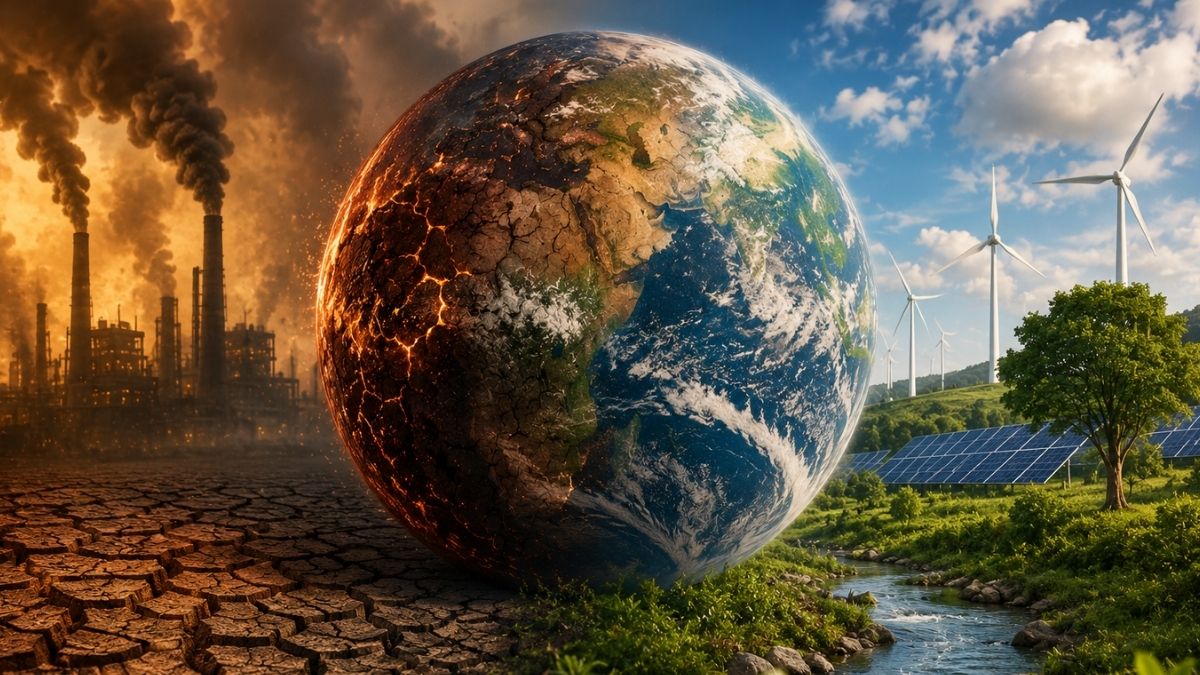
The threshold is not a sudden climate cliff, and strong action could still limit warming and eventually bring temperatures below 1.5°C.
A Dangerous and Uncertain Overshoot
Every year above the threshold increases risks, and returning below it would not reverse all damage or restore all changed conditions.
Role of Carbon Removal
A Difficult but Still Manageable Overshoot
Carbon dioxide removal, including forests and technological approaches, could help lower temperatures after deep emissions cuts.
A Dangerous and Uncertain Overshoot
Removal methods face questions about cost, scale, reliability and environmental integrity; forests alone would not be sufficient.
Ability to Adapt
A Difficult but Still Manageable Overshoot
Governments can reduce harm by strengthening adaptation alongside mitigation, including preparations for heatwaves, floods and droughts.
A Dangerous and Uncertain Overshoot
Adaptation has limits, and higher peaks or longer periods of warming could make some losses unavoidable, irreversible or too costly to manage.
- Report
- UNEP’s “Limiting Overshoot: How to Navigate Exceedance.”
- Threshold timing
- Global warming is likely to cross 1.5°C within the next few years.
- Current warming
- Global temperatures are about 1.4°C above pre-industrial levels.
- Most optimistic peak
- The most optimistic scenario reaches approximately 1.8°C above pre-industrial levels.
- Current-policy projection
- Current policies are projected to produce median warming of about 2.6°C by 2100.
- Required measures
- Rapid greenhouse-gas and methane reductions, carbon dioxide removal, adaptation and international cooperation.
- Limits of tree planting
- UNEP estimates that tree planting could reduce global temperatures by about 0.1°C at most.
- Potential tipping points
- Risks include destabilisation of major ice sheets, Amazon rainforest degradation and disruption of Atlantic Ocean circulation.