

Archive · 25 Oct 2025
Winter Dehydration: Why It's Still a Serious Health Risk
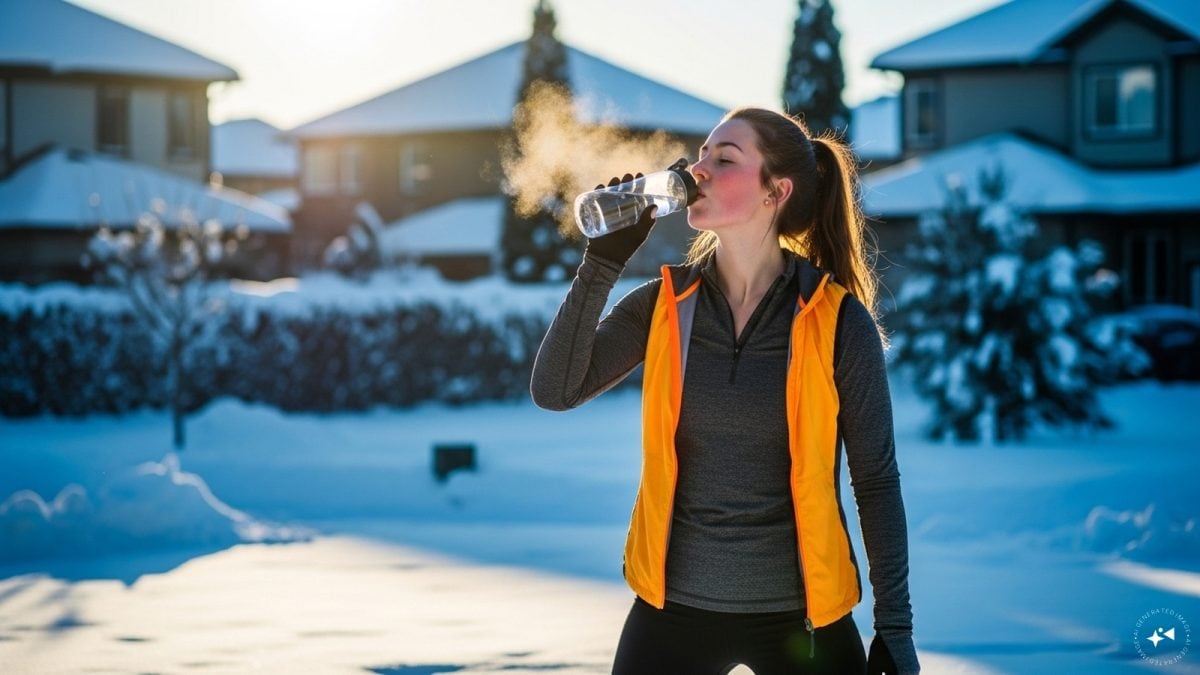
In winter, even though it's cold, you can still get dehydrated.
Your body loses water through breathing and sweating.
Indoor heating dries the air, pulling moisture from your skin.
You might not feel as thirsty, so you drink less water.
This can lead to headaches, feeling tired, and other problems.
To stay healthy, drink water throughout the day, eat water-rich foods, and remember that even in winter, your body needs fluids.

Winter dehydration occurs due to reduced thirst, indoor heating, and sweating.
Indoor heating dries out the air, leading to fluid loss from skin and breath.
Cold weather can suppress thirst by up to 40%, potentially leading to dehydration.
Symptoms of winter dehydration include dry skin, headaches, and fatigue.
Recommended daily water intake is around 2.7 to 3.7 liters, varying by individual.
- Who
- Everyone, especially those indoors or exercising in winter.
- What
- Dehydration, the loss of body fluids, is a health risk in winter.
- When
- Winter months.
- Where
- Indoors and outdoors, particularly in cold environments.
- Why
- Reduced thirst, indoor heating, and less water intake lead to dehydration.
- Body Water Percentage
- Around 60%
- Water Loss in Winter
- Through breathing, indoor heat, and sweating
- Thirst Suppression in Cold
- Can be reduced by up to 40%
- Recommended Daily Intake
- 2.7 liters for women, 3.7 liters for men
- Symptoms
- Dry skin, headaches, dizziness, dark urine, fatigue