

Archive · 10 Aug 2025
Chess Through Time: From Ancient India to Tamil Culture
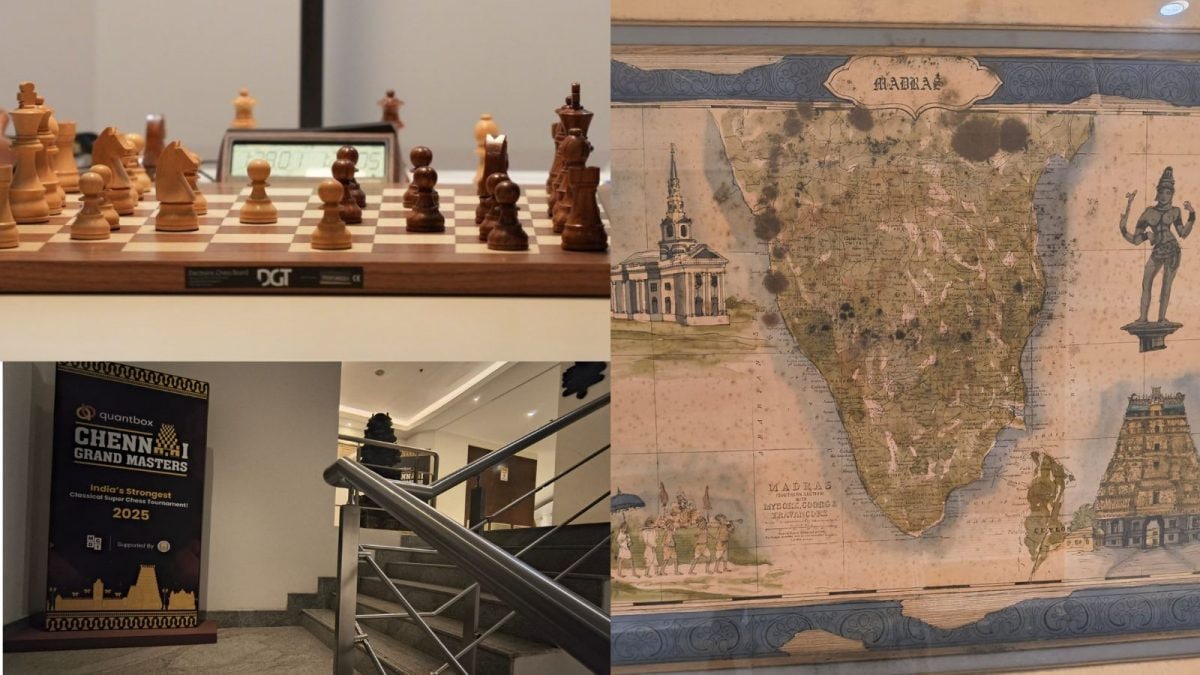
Chess, the game we know today, has a long history!
It started in India with pieces like soldiers and elephants.
The game then spread to Persia, where the names of the pieces changed.
Eventually, it went to Europe, and the pieces evolved into what we use today, like the Queen and Bishop.
Traditional chess in Tamil has different names for the pieces, too.
So, chess is like a story of how games and names change as they travel around the world!

Chess evolved from the Indian game 'Chathuranga' with pieces representing military units.
The game spread through Persia and the Islamic world, with names and piece roles changing.
European influence led to the transformation of the 'Elephant' to the 'Bishop' and the 'Wazir' to the 'Queen'.
Traditional Tamil chess uses the term 'Vallu Palagai' and pieces are known as 'Vallu Kaigal'.
Modern chess pieces, like the King, Queen, Knight, Rook, and Pawn, have origins in ancient military units.
- Who
- The article discusses chess pieces and their transformation.
- What
- The evolution of chess from its ancient Indian roots to its modern form, with a focus on the Tamil language and culture.
- When
- The article describes changes in the game over centuries.
- Where
- Originating in India, spreading through Persia and Europe.
- Why
- To understand the historical and linguistic roots of chess.
Ancient Chess
Modern Chess
Evolution of Chess
Ancient Chess
Chess originated as 'Chathuranga', a game representing military units.
Modern Chess
Chess has evolved significantly over time and in various regions, adopting different rules and piece names.
- Original Indian Name
- Chathuranga
- Persian Name
- Chatrang
- Traditional Tamil Term
- Vallu Palagai
- King's role
- Determine the battle outcome
- Bishop's Origin
- Elephant
- Queen's Origin
- Wazir