2 hrs ago
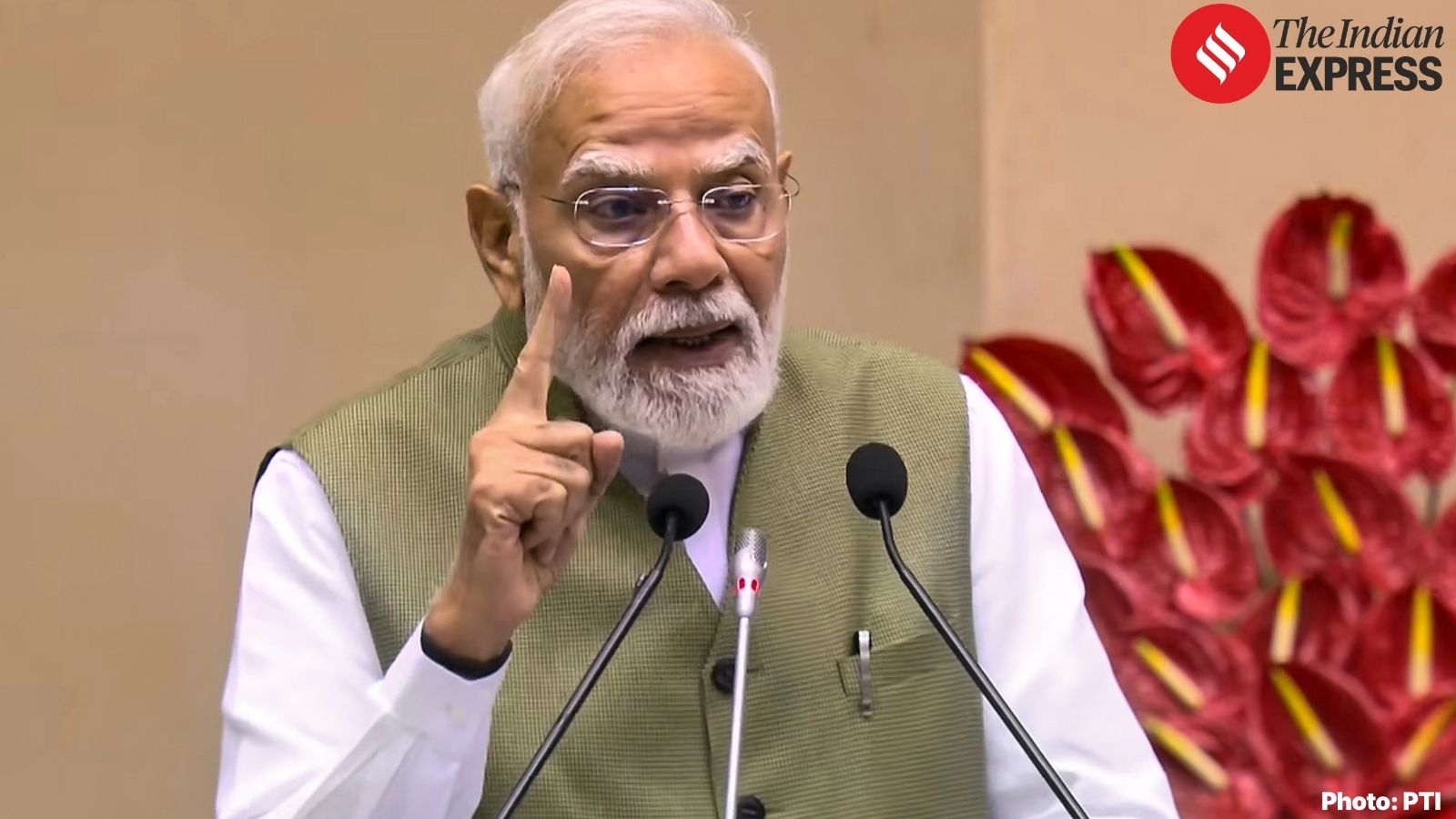
BJP MP Cites Security Risks in Starlink India Debate
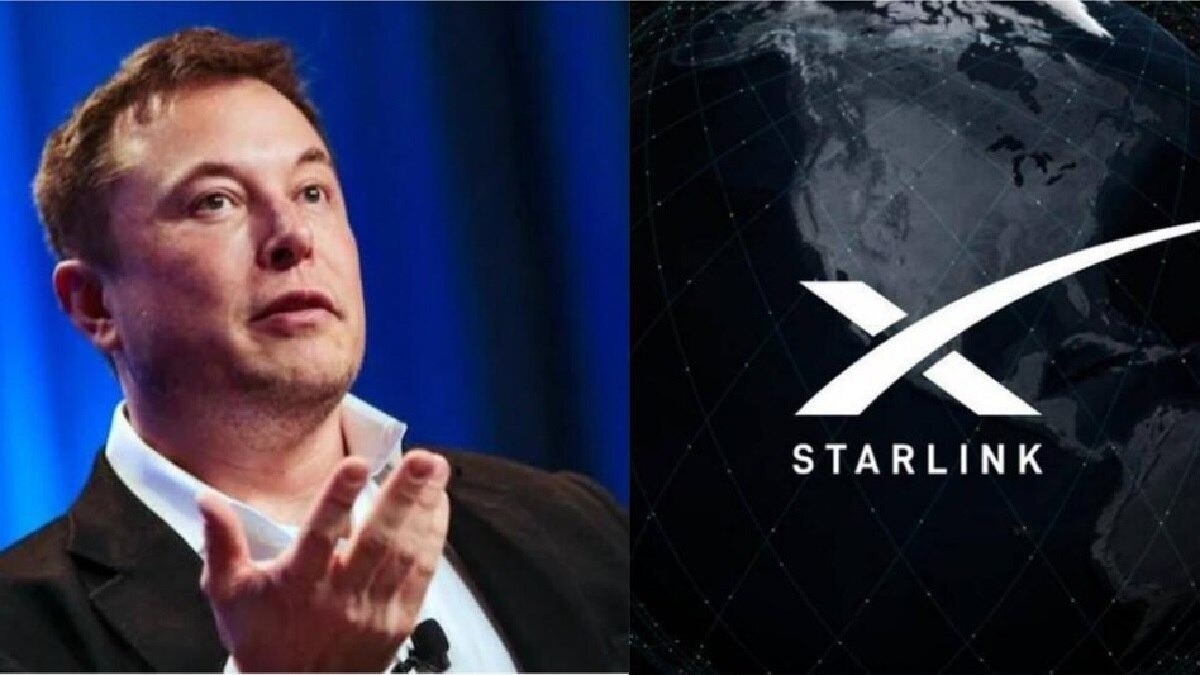
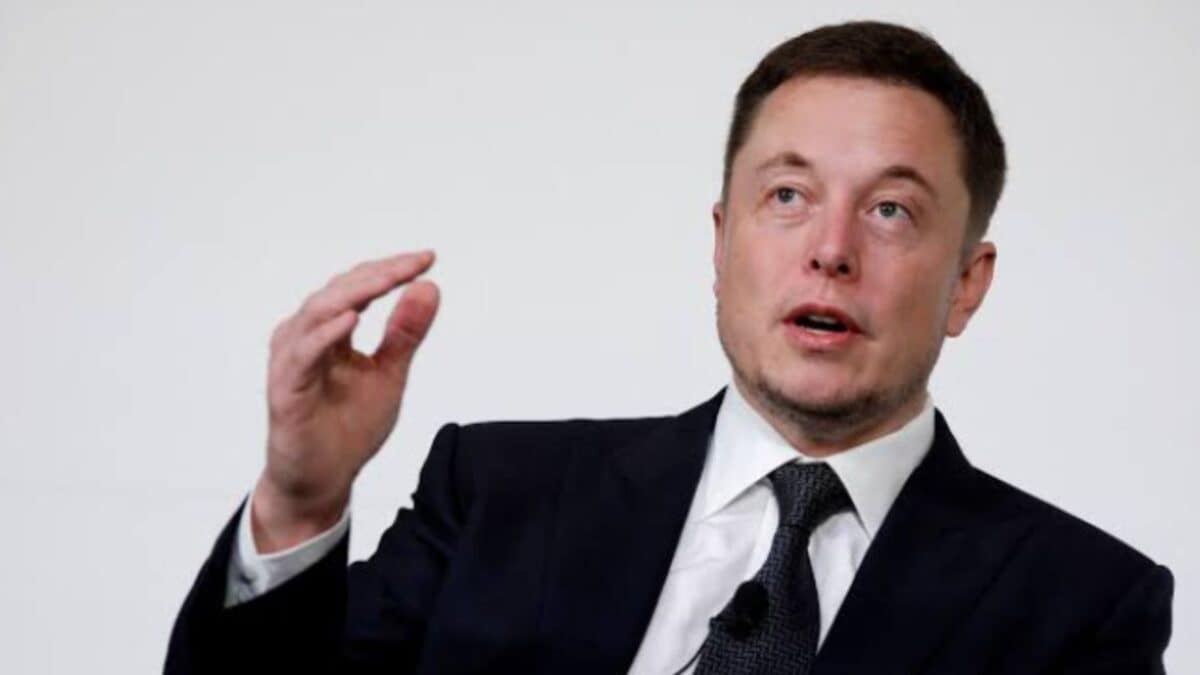
Elon Musk wants his Starlink satellite internet service to operate in India.
He says more competition could give people more choices.
BJP lawmaker Nishikant Dubey says Starlink raises concerns for India’s security agencies.
He said the government had shared similar concerns with the telecom regulator in 2013-14.
Dubey also said India would not change its security rules because of pressure or online criticism.
Musk argued that some critics are making conflicting claims about whether Starlink could compete with Reliance.
India’s government says three companies are seeking satellite-internet licences.
They must each meet security requirements and other conditions before starting service.

BJP MP Nishikant Dubey said Indian security agencies face risks from Starlink and said the Manmohan Singh government flagged such concerns to TRAI in 2013-14.
Dubey told Elon Musk India would not change its security policy under pressure or social-media criticism.
Musk accused Mukesh Ambani and his supporters of making contradictory arguments against Starlink’s entry into India.
Musk said competition from Starlink could benefit Indian consumers, while acknowledging it could reduce Reliance Industries’ profits.
The government said three companies have applied for satellite-communication licences and are at the same approval stage, subject to security conditions and other milestones.
- Who
- Elon Musk, BJP MP Nishikant Dubey, Reliance Industries chairman Mukesh Ambani, and the Indian government.
- What
- A dispute over Starlink’s proposed entry into India, including security concerns and arguments about competition.
- Where
- India.
- When
- Dubey’s post was dated October 11, 2026; the article also describes Musk’s comments as posted on Saturday and ministerial remarks earlier that week.
- Why
- Starlink’s proposed market entry has prompted debate over security risks, licensing, competition, and consumer choice.
Support for Starlink entry
Concerns about Starlink entry
Competition and consumer choice
Support for Starlink entry
Musk said Starlink competition would benefit Indian consumers by giving them more choices.
Concerns about Starlink entry
Musk’s critics cited India’s fast, inexpensive internet and questioned how many people would pay the stated $27 monthly price in Rwanda.
Security and policy
Support for Starlink entry
Musk has criticised delays in permission for Starlink and alleged powerful business interests are obstructing its entry.
Concerns about Starlink entry
Dubey said Starlink poses risks to security agencies and said India would not change security policy under pressure or social-media criticism.
Licensing process
Support for Starlink entry
Musk has argued for Starlink to be allowed into the Indian market.
Concerns about Starlink entry
The government said three applicants are at the same stage and each must meet security conditions and other milestones before operating.
Key facts
- Security claim
- Dubey said security agencies face threats connected with Starlink.
- Earlier warning
- Dubey said the Manmohan Singh government informed TRAI about the threats in 2013-14.
- Musk’s argument
- Musk said competition could give Indian consumers more choices.
- Reliance
- Musk said Reliance’s profits could fall but the company would not go out of business.
- Licensing
- The government said three companies have applied for satellite-communication licences and are at the same approval stage.
- Conditions
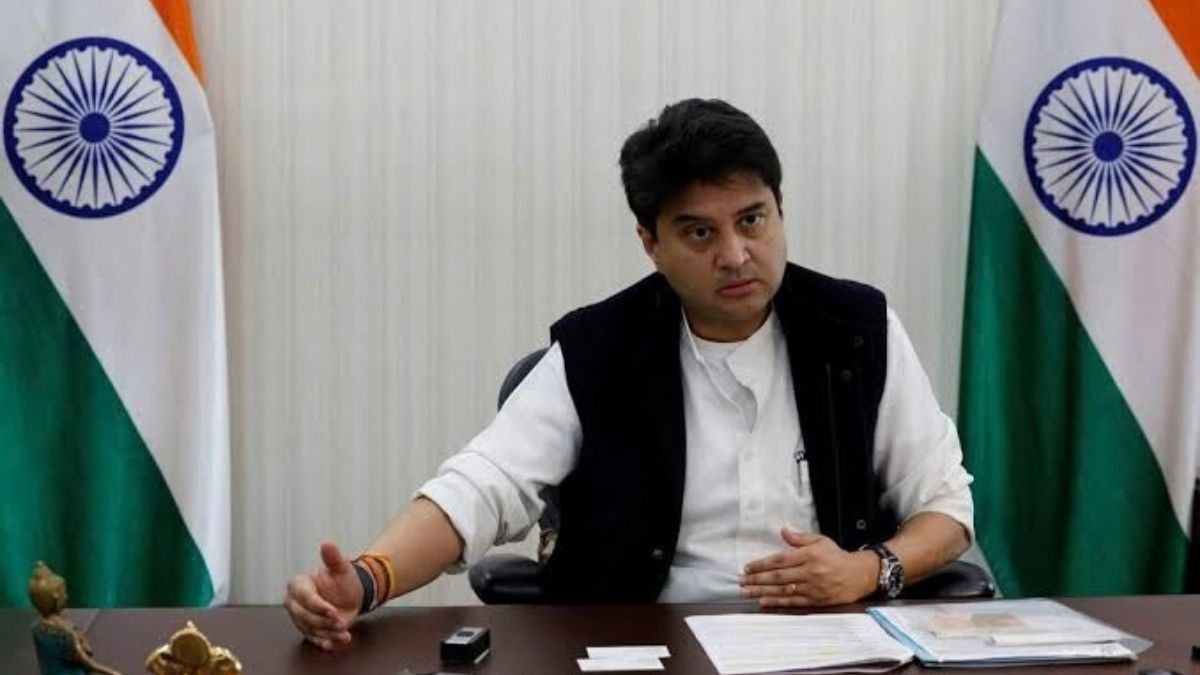
- Communications Minister Jyotiraditya Scindia said operators can begin after meeting security conditions and other milestones individually.
- Affordability comparison
- Sheel Mohnot cited a Starlink price of $27 per month in Rwanda, described as its cheapest market at the time.
Quotes

Nishikant Dubey
BJP member of parliament who raised security concerns about Starlink.
“The reality is that competition would greatly benefit the average citizen in India by giving them more choices, as it always does.”
 businesstoday.in
“India is a healthy democratic, sovereign nation; it does not change its security policy under pressure or social media.”
businesstoday.in
Sources
Related news
Chandrasekhar Urges Patience on Starlink’s India Approval
Why Starlink Still Cannot Launch Commercially in India
Musk Questions Ambani as Starlink Awaits India Security Clearance
Starlink Delay Raises Security Questions, Not Monopoly Proof
Kamal Haasan Defends India’s Starlink Licensing Policy Against Musk
Musk, Rahul Gandhi Trade Posts Over Starlink’s India Entry
Musk’s Starlink Delay Sparks Debate Over India’s Internet
India Nears Finalisation of Satellite Spectrum Pricing Framework
TRAI Proposes Detailed Audit Rules for DRM-Based TV Systems

Scindia Rejects Musk’s Monopoly Claim as Satcom Operators Await Clearance