Archive · 7 Nov 2025
Japan, US Collaborate on Deep-Sea Rare Earth Mining to Counter China
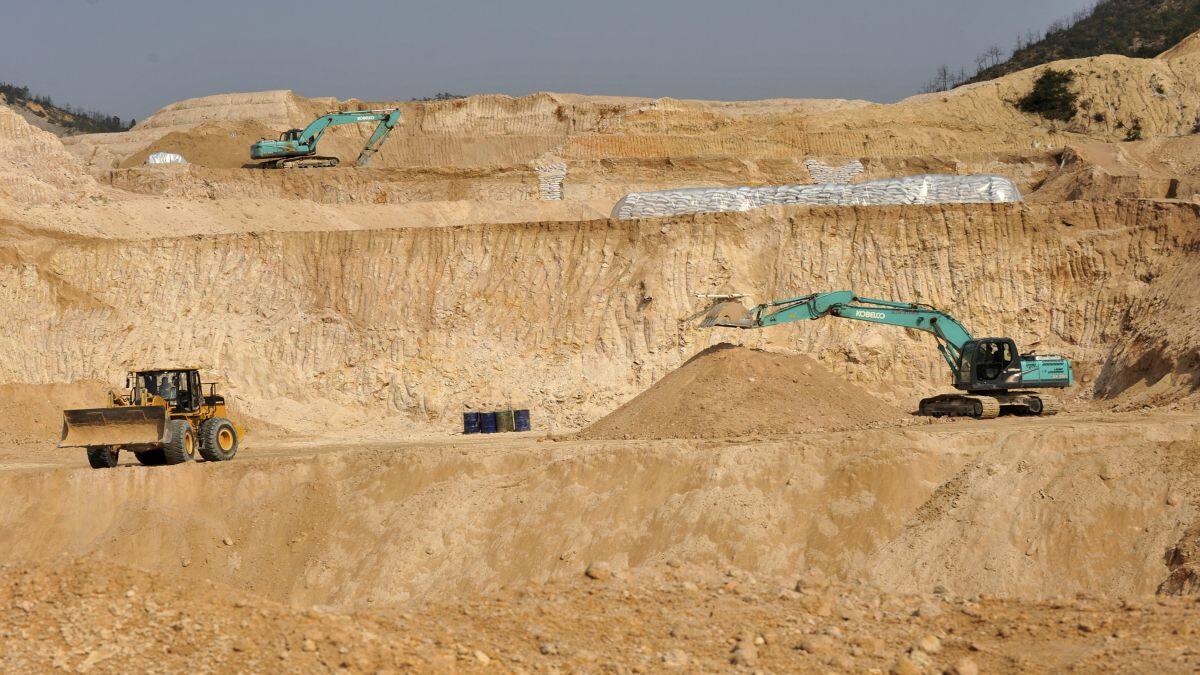
Imagine important minerals called rare earths that are used to make things like phones, cars, and even planes.
Right now, one country, China, has most of them and controls how they are sold.
Japan and the United States want to find new ways to get these minerals.
They found some deep under the ocean near an island called Minamitorishima.
So, Japan and the US are going to work together to try and get these minerals from the ocean floor.
They will start by testing if they can bring up the special mud that contains the minerals.
This is because they want to have their own reliable sources and not depend so much on China.

Japan and the US are collaborating on deep-sea rare earth mining near Minamitori Island.
The joint effort aims to counter China's dominant position in the global rare earth supply chain.
Surveys have confirmed rich rare earth mud deposits at depths of 5,000 to 6,000 meters.
Japan plans feasibility tests in January to extract rare earth mud from these depths.
China currently produces over 90% of the world's processed rare earths and has recently tightened export controls.
- Who
- Japan and the United States
- What
- Are joining hands to study and develop deep-sea rare earth mining and processing to counter China's dominance.
- When
- Feasibility tests for raising rare earth mud are planned for January. China recently tightened its rare earth export rules.
- Where
- Deep-sea deposits near Minamitorishima Island, within Japan's exclusive economic zone.
- Why
- To secure diverse procurement methods for rare earth elements, vital for advanced manufacturing, clean energy, and defence, and to reduce reliance on China.
Strategic Cooperation
China's Dominance
Rare Earth Supply Chain
Strategic Cooperation
Japan and the US are jointly identifying projects across mining, smelting, and processing to secure diverse procurement methods for rare earth elements.
China's Dominance
China currently dominates global rare earth production, controlling over 90% of processed rare earths and implementing export restrictions on key materials.
Resource Accessibility
Strategic Cooperation
Japan plans to test the feasibility of extracting rare earth mud from deep-sea deposits (5,000-6,000 meters) near Minamitori Island.
China's Dominance
Accessing these deep-sea deposits presents significant technological challenges, although surveys confirm the presence of rich rare earth mud.
- Location of Deposits
- Waters around Minamitori Island (Japan's EEZ)
- Depth of Deposits
- 5,000 to 6,000 meters
- Strategic Importance of Minamitorishima Island
- Allows Japan to claim a large Exclusive Economic Zone (EEZ) of nearly 429,000 sq km.
- China's Market Share
- Over 90% of the world's processed rare earths
- Export Control Measures
- China has added refining technology to its control list and restricted exports of 12 rare earth elements.
- Planned Feasibility Test
- January, to test raising rare earth mud