9 months ago
Early RSV Infection in Babies Linked to Higher Childhood Asthma Risk
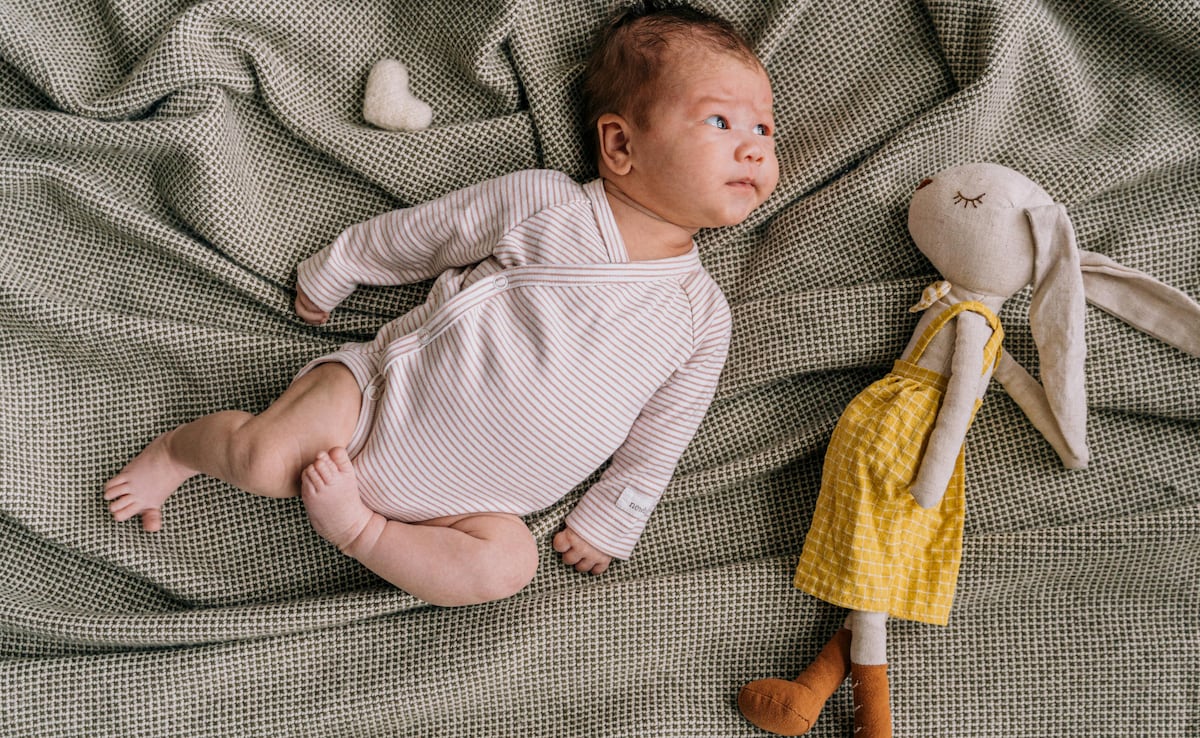
Scientists found that babies who get a virus called RSV in their first months of life are more likely to develop asthma when they are older.
This is especially true if their family has a history of allergies or asthma.
The study showed that the virus and genetic risk work together to make the baby's immune system overreact to things like dust.
But there's good news!
If babies are protected from RSV, they might not develop asthma.
Doctors can give special shots to moms during pregnancy or to newborns to help prevent RSV.
This could mean fewer kids get asthma, which is great for families and hospitals.

Early RSV infection in infants increases the risk of developing childhood asthma, especially with a family history of allergies or asthma.
The study combined Danish health registry data with laboratory experiments to identify the interaction between early viral infection and genetic allergy risk.
Infants with severe RSV infections in the first months of life show an increased likelihood of immune cells overreacting to common allergens.
Protecting newborns from RSV through maternal vaccination or newborn immunization can prevent harmful immune shifts and asthma development.
The findings suggest that preventing RSV infection could reduce asthma cases and improve long-term respiratory health.
- Who
- International team of scientists, including researchers from Denmark, Belgium, and VIB-Ghent University
- What
- Study linking early RSV infection to increased childhood asthma risk
- Where
- Research conducted using Danish health registry data and laboratory experiments
- When
- Published in the Science Immunology journal
- Why
- To understand the relationship between early RSV infection and childhood asthma
Key facts
- Study Focus
- Respiratory syncytial virus (RSV) infection in early infancy
- Key Finding
- Increased risk of childhood asthma, especially with family allergy history
- Research Method
- Combined Danish health registry data and laboratory experiments
- Prevention Methods
- Maternal vaccination and newborn immunization with long-acting antibodies
- Potential Impact
- Reduction in asthma cases and long-term respiratory health benefits
Quotes
Prof. Bart Lambrecht
Professor at VIB (the Flanders Institute for Biotechnology) and Ghent University in Belgium
“We found that early-life RSV infection and genetic allergy risk interact in a very specific way that pushes the immune system toward asthma. The encouraging news is that this process can be prevented.”
 assamtribune.com
“This is a moment where policy, science, and paediatricians can come together. If preventing RSV infection also reduces asthma risk, the benefits for families and health systems could be enormous.”
assamtribune.com
Prof. Hamida Hammad
Professor at VIB-UGent
“With RSV prevention now becoming widely accessible, we have an opportunity to improve long-term respiratory health, not just prevent RSV hospitalisations.”
assamtribune.com
“This is not just a laboratory insight. It's a message that should help parents choose RSV prevention with confidence.”
assamtribune.com
Sources

Related news

Denmark Sends Conscripts to Greenland as Arctic Tensions Rise
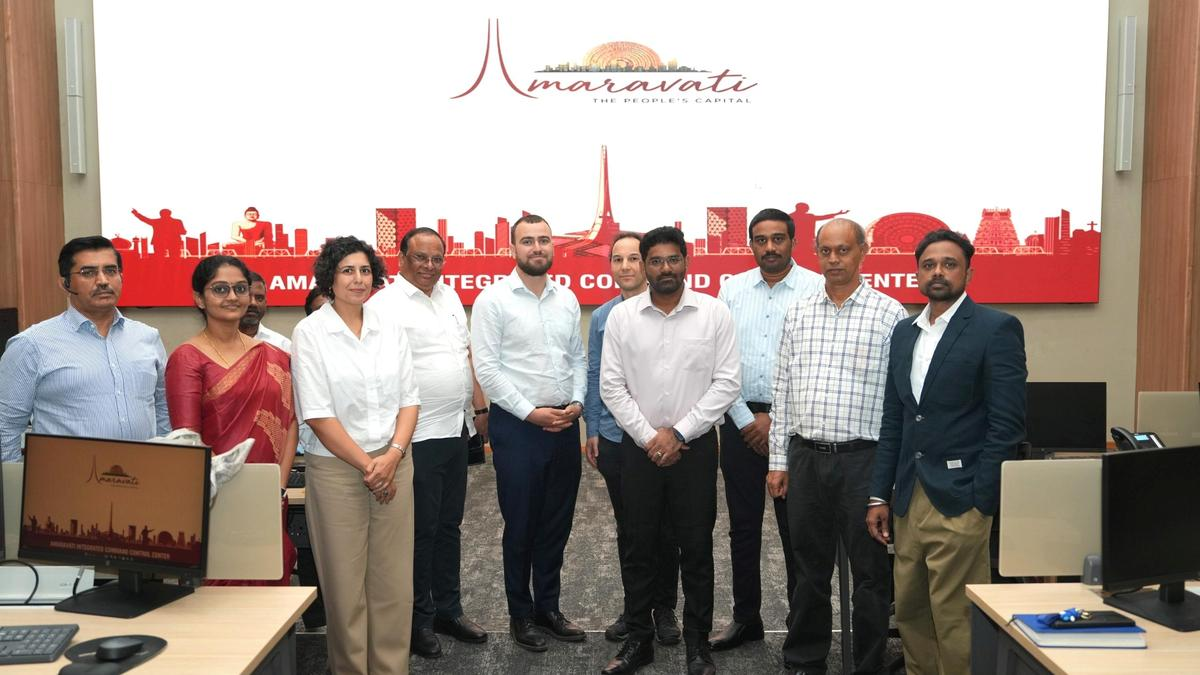
Denmark Delegation Discusses Future Power Grid Development in Amaravati

India and Denmark Deepen MSME Innovation, IP Cooperation

UK Student Dependent Ban Reshapes Family Study-Abroad Choices
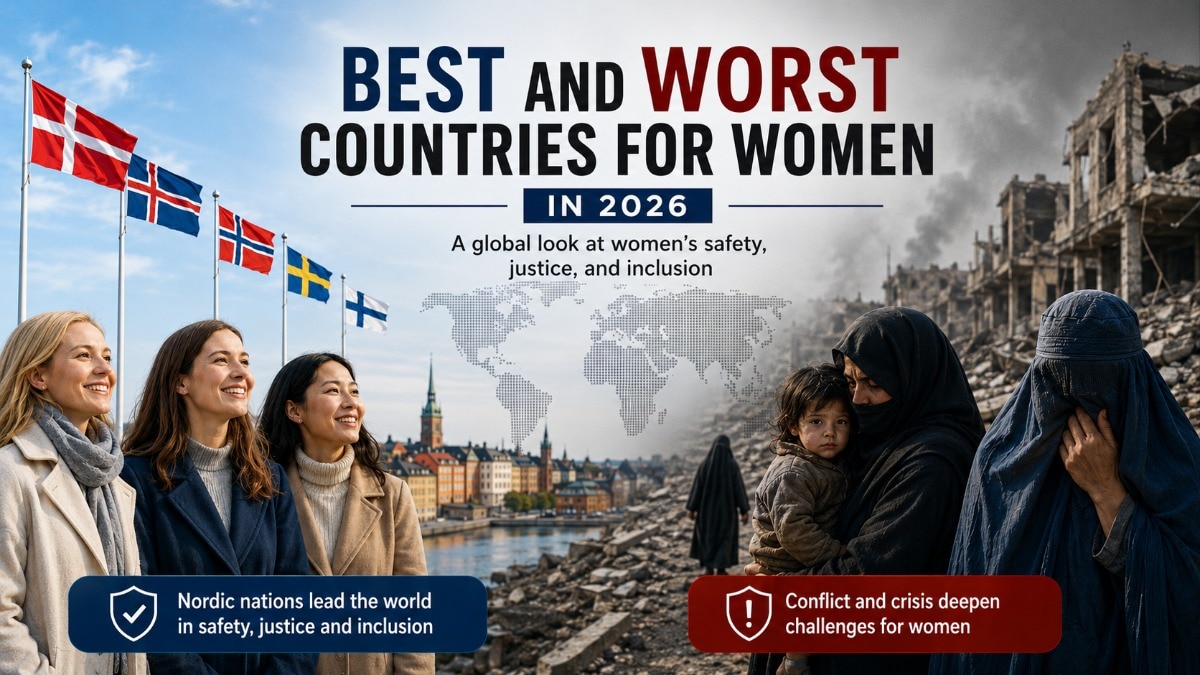
Denmark Tops Global Women’s Peace and Security Index