

Archive · 25 Jul 2026
Nuclear Deterrence Erosion in Modern Conflicts
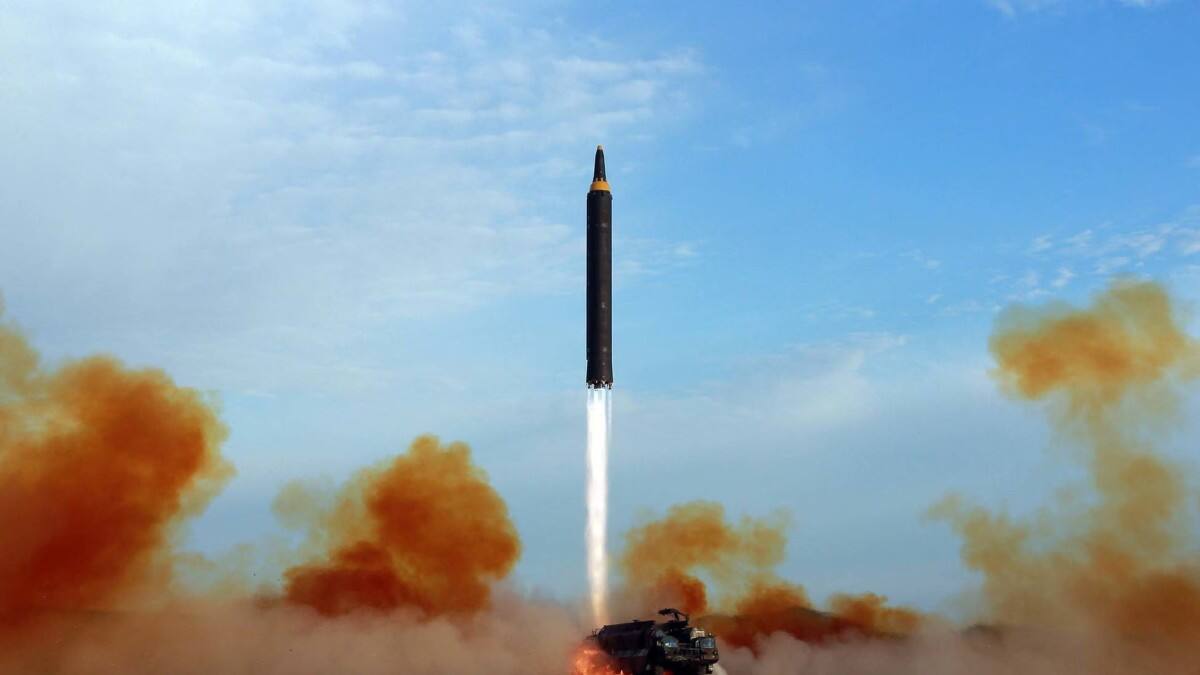
Nuclear deterrence, which was once believed to prevent large-scale conflicts by ensuring mutual destruction, is now being challenged in modern conflicts.
The US and Israel, despite their military strength and nuclear capabilities, have struggled to subdue Iran.
Iran has shown resilience and capability, launching attacks on US bases and Israeli nuclear facilities.
Similarly, Ukraine has defied Russia's nuclear threats, mounting attacks deep into Russian territory.
In the India-Pakistan conflict, conventional strikes have been executed without triggering nuclear retaliation.
These examples show that nuclear deterrence is less effective today due to asymmetric warfare and technological advancements, leading to more frequent and prolonged conflicts and destabilizing global security.

US and Israel struggle to subdue Iran despite military strength and nuclear capabilities.
Iran launches attacks on US bases and Israeli nuclear facilities, showing resilience and capability.
Ukraine defies Russia's nuclear threats, mounting attacks deep into Russian territory.
India executes conventional strikes on Pakistan without triggering nuclear retaliation.
Erosion of nuclear deterrence leads to more frequent and prolonged conflicts, destabilizing global security.
- Who
- US, Israel, Iran, Ukraine, Russia, India, Pakistan
- What
- Erosion of nuclear deterrence in modern conflicts
- When
- Ongoing conflicts in West Asia, Russia-Ukraine war, India-Pakistan tensions
- Where
- Middle East, Ukraine, Indian subcontinent
- Why
- Asymmetric warfare, technological advancements, and strategic miscalculations
Nuclear Deterrence Effectiveness
Challenges to Nuclear Deterrence
Effectiveness of Nuclear Deterrence
Nuclear Deterrence Effectiveness
Nuclear deterrence historically prevented large-scale conflicts by ensuring mutual destruction.
Challenges to Nuclear Deterrence
Modern conflicts show that nuclear deterrence is less effective due to asymmetric warfare and technological advancements.
Asymmetric Warfare
Nuclear Deterrence Effectiveness
Traditional military superiority and nuclear arsenals still deter aggression.
Challenges to Nuclear Deterrence
Weaker states and non-state actors are increasingly challenging nuclear-armed powers through unconventional means.
Strategic Stability
Nuclear Deterrence Effectiveness
Nuclear deterrence maintains global strategic stability by preventing large-scale conflicts.
Challenges to Nuclear Deterrence
The erosion of nuclear deterrence is leading to more frequent and prolonged conflicts, destabilizing global security.
- US Military Losses
- 18 soldiers killed, 450 troops injured, 42-52 aircraft damaged or lost
- Iranian Attacks on Israel
- Missiles targeted Dimona and Arad, wounding 180 people
- Ukraine's Drones
- 926 drones shot down by Russia in one day, targeting energy infrastructure
- India-Pakistan Conflict
- Balakot airstrikes and Operation Sindoor demonstrated conventional strikes under nuclear overhang
- Cost of US Operations
- $29 billion