Archive · 28 Sep 2025
Public Toilets: Safety of Toilet Seats and Germs
Public bathrooms might seem super germy, but the toilet seat itself is usually not the biggest problem.
Germs from poop and pee end up in the toilet, and when you flush, tiny droplets fly into the air (toilet plume).
It's more likely you'll get sick from touching things like door handles, or using a phone in the bathroom, then touching your face without washing your hands.
Always wash your hands with soap for at least 20 seconds and avoid using hand dryers to stay healthy!

Public toilet seats are often less contaminated than other surfaces.
Germs like E. coli and viruses can be found in public restrooms.
The biggest risks come from dirty hands, door handles, and toilet plumes.
Proper handwashing for 20 seconds is essential for hygiene.
Using covers, sanitizing your phone and avoiding hand dryers is recommended.
- Who
- Healthy adults and individuals with health conditions.
- What
- Hygiene in public restrooms and risks associated with toilet seats.
- When
- Information is current.
- Where
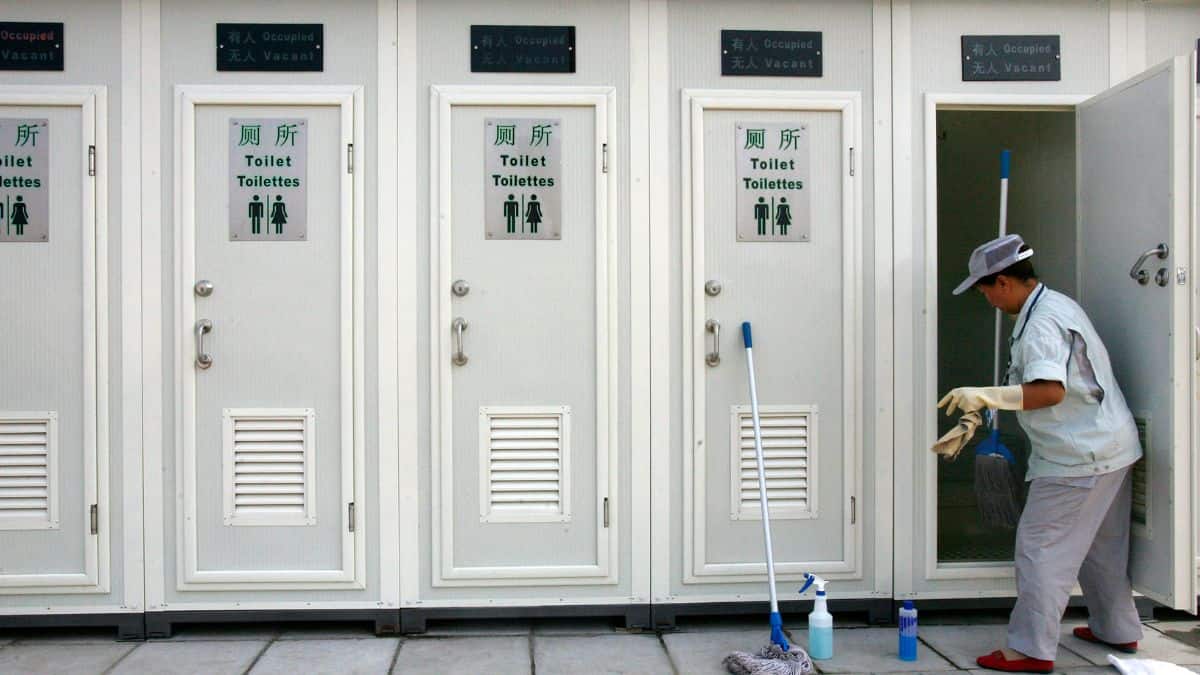
- Public restrooms, including those in parks and bus stops.
- Why
- To inform about restroom hygiene and public health risks.
Minimizing Exposure
Seat Concerns
Hygiene Focus
Minimizing Exposure
Focus on frequent and correct hand washing, instead of solely concentrating on sitting on the toilet.
Seat Concerns
Focus on the cleanliness of toilet seats and precautions before sitting.
- Key Microbes Found
- E. coli, norovirus, rotavirus, Staphylococcus aureus, and parasites.
- Primary Risk Factors
- Dirty hands, door handles, toilet plumes, phones.
- Cleanliness Caution
- Smell of urine, soiled floors are signs of uncleanliness.
- Safe Practices
- Use toilet seat covers, wash hands, avoid hand dryers, sanitize phone.
- Seat Safety
- Low risk for healthy individuals; clean for peace of mind.