

1 hr ago
Gates Urges Debate on AI Taxes and Human Jobs

Bill Gates says artificial intelligence is improving quickly and may change many jobs.
He thinks people will need to decide whether to tax businesses for using AI and which jobs should stay human.
He mentioned education and health care as fields where some work might be reserved for people.
Gates also said one near-term risk is people using AI to carry out cyberattacks.
He expects governments to take a larger role in checking AI safety.
In India, the technology industry says AI is changing the kinds of skills companies need.
Meanwhile, US immigration rules are creating additional challenges for some Indian technology companies.
Courts have blocked a new fee on some H-1B applications, but other immigration restrictions remain in the news.

Bill Gates said society will need to decide how to tax AI or robot use and which jobs to preserve for people.
He warned that AI could affect employment across sectors and said its impact could surpass earlier major technologies.
Gates identified malicious AI use, especially cyberattacks, as the most immediate danger and predicted a move beyond companies’ self-governance.
India’s technology industry expects hiring to shift from volume toward a mix of skills as AI boosts productivity.
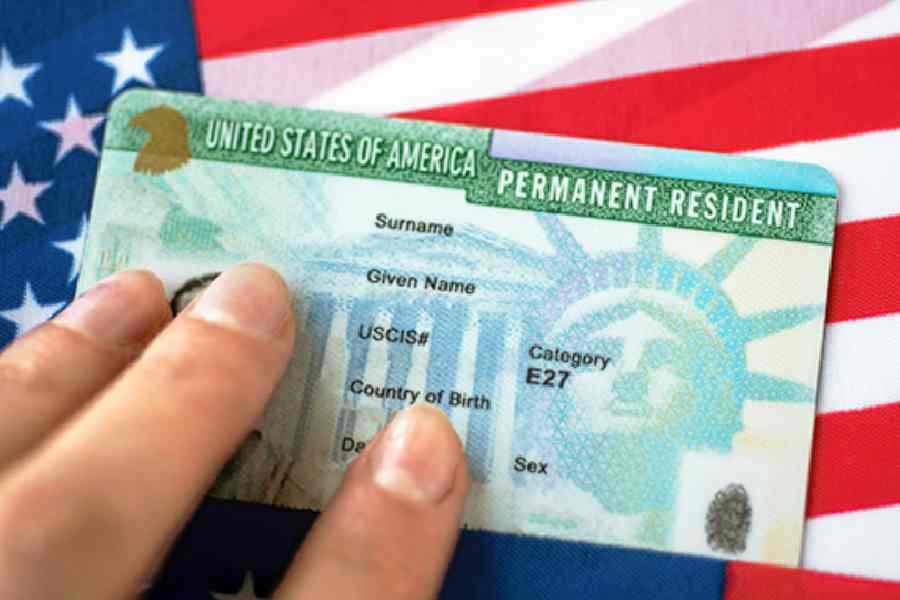
US immigration policy is also affecting Indian IT firms: eight companies were suspended from the PERM programme, while courts blocked a $100,000 fee on certain H-1B petitions.
- Who
- Bill Gates, Indian technology companies and US policymakers.
- What
- Gates called for public decisions about taxing AI and preserving some jobs for humans, amid AI-related employment changes and US immigration measures affecting Indian IT firms.
- Where
- Gates spoke on CNN’s State of the Union; the employment and immigration issues concern the United States and India.
- When
- Gates made his comments on Sunday; the article also refers to actions and statements from Thursday and the previous week.
- Why
- Gates said AI models are advancing rapidly and could replace human labor, while its misuse and effects on jobs raise safety and policy concerns.
Preserve Human Work and Oversight
Use AI for Productivity
AI’s effect on jobs
Preserve Human Work and Oversight
Gates said society may need to preserve some jobs for humans and decide how to tax AI use that replaces human labor.
Use AI for Productivity
Nasscom chairperson Sindhu Gangadharan said AI is increasing productivity and expanding opportunities, while changing the nature of work.
AI governance
Preserve Human Work and Oversight
Gates argued that society needs to address AI’s power and predicted a move beyond self-governance by AI companies, with government safety bodies involved.
Use AI for Productivity
The article reports that AI companies currently govern themselves, but does not provide a direct defense of that approach.
Key facts
- Gates’s proposals
- Consider how to tax AI or robot use and which jobs to reserve for humans.
- Immediate risk identified
- Malicious use of AI, particularly for cyberattacks.
- AI oversight prediction
- Gates predicted that AI companies would move beyond self-governance within the next year.
- India technology hiring
- Nasscom said hiring is expected to shift from volume toward a greater focus on skill mix.
- PERM suspensions
- Labour Secretary Keith Sonderling suspended eight companies, including Infosys, Tata, Wipro and HCL, from the PERM programme, citing ongoing investigations.
- H-1B petitions
- USCIS data cited in the article show 71% of approved H-1B petitions in fiscal 2024 were for beneficiaries born in India.
- H-1B fee
- Two federal judges blocked the administration’s $100,000 fee on certain new H-1B petitions.
Quotes

Bill Gates
Microsoft co-founder speaking about AI, labor and public policy.
“Until people get their mind around how powerful this is, and, therefore, what it's going to be doing to these jobs, the idea that you need to reserve things for humans may sound bizarre, but, in fact, we will get there.”
 thehansindia.com
“In the years ahead, we really do need to make a decision as a society, how do we tax AI usage or robot usage? And where do we want to make sure the human jobs are preserved?”
thehansindia.com
Sources
Related news

Gates Warns AI Could Cause Billion Deaths Amid Regulation Debate

Microsoft Expands India AI Investment, Emphasizes Human Control

Bill Gates Warns AI Could Drive Events Killing a Billion
Nvidia CEO Jensen Huang Rejects Claims AI Will Destroy Jobs

Bill Gates Challenges Trump Over AI Safeguards and China
Acemoglu Predicts AI Could Replace 5% of Work
India’s ER&D Outsourcing Boom Offers Opportunity, but Execution Matters
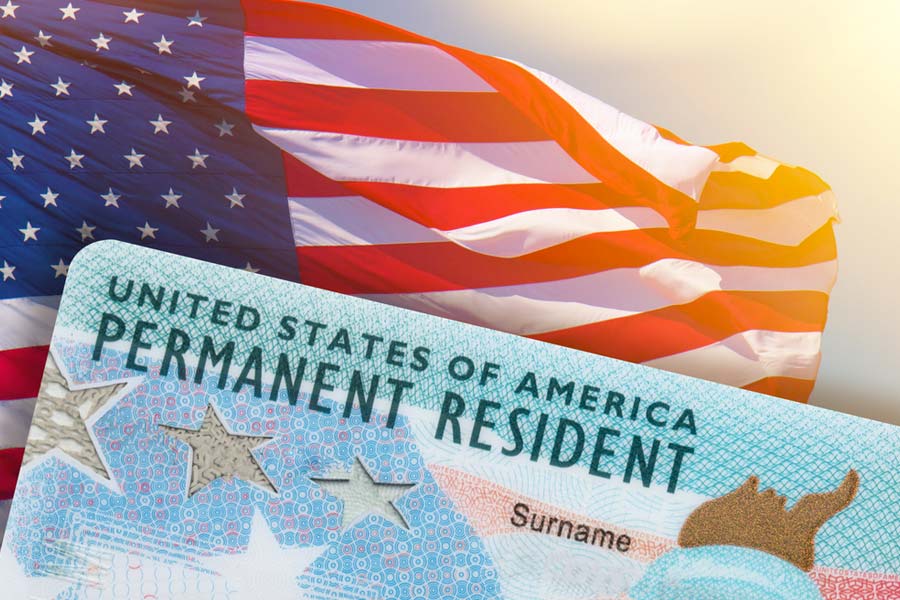
Falling PERM Filings May Limit Impact of US Suspension
US PERM Curbs Seen Limiting Near-Term Impact on Indian IT

Nasscom Chairman Criticizes Suspension of Green Card Programme
